Households that buy frozen food every week too
You’ll need enough room for fresh food, so don’t rely on the appliance’s total capacity alone. Compare the fresh-food and freezer compartments separately.


In a small kitchen, consider a table-top or single-door fridge if space is tight and you don’t freeze much; if frozen food is a regular part of your weekly shop, look at a fridge freezer instead, provided it can be installed properly. Compare the fresh-food and freezer capacities separately, then check the dimensions, door opening, ventilation, energy consumption and noise level of your chosen model.
You’ll need enough room for fresh food, so don’t rely on the appliance’s total capacity alone. Compare the fresh-food and freezer compartments separately.
Your priority is finding an appliance that fits, while still allowing the door to open and air to circulate as instructed in the manual. UFC-Que Choisir recommends a table-top model as an option for studios, but you’ll still need to check that its capacity suits your shopping.
An existing housing unit doesn’t necessarily mean a new model will fit. Measure its height, width and depth, then check the door mounting and ventilation requirements for the new model.
Consider one: when space is your main priority and you don’t store much frozen food.
Bear in mind: check its capacity against your weekly shop before choosing this compact format.
Consider one: if fresh food is your priority and you only keep a small amount of frozen food.
Bear in mind: the freezer compartment may limit how much frozen food you can buy, so check its capacity separately.
Consider one: if you regularly store frozen food as well as doing a weekly fresh-food shop.
Bear in mind: both compartments need to offer enough space without preventing installation or stopping the doors from opening fully.
| Criterion | What to check | Who is it for? |
|---|---|---|
| Space for fresh food | Capacity of the fridge compartment in litres and its internal layout. | When I do the weekly shop, I need enough room for fresh food without relying on the space reserved for frozen food. Around 31% of consumers would put fresh-food capacity first. |
| Size and installation | External dimensions or housing-unit measurements, door opening and the ventilation specified in the manual. | If my kitchen is narrow or already has a housing unit, the appliance needs to fit and open without blocking the way. Around 31% of consumers would make the available space their priority. |
| Frozen food storage | Freezer capacity in litres and the compartment layout. | If I regularly store frozen food or prepared portions, I want to know how much space is actually available for them. This would be the main priority for around 25% of consumers. |
| Energy use and noise | Annual energy consumption in kWh and noise level in dB, comparing similar sizes and capacities. | In a studio or open-plan kitchen, I consider noise as well as the energy consumption of an appliance that stays on all the time. Around 13% of consumers would prioritise these everyday-use criteria. |
The total capacity in litres doesn’t show how much room is available for fresh food and how much for frozen food. This split matters particularly when you shop weekly.
Compare the capacity of both compartments on the model’s product page or in the European Commission’s EPREL database.
The housing unit and door mounting need to suit the model you choose. For this model specifically, Electrolux states that the ENS5LE18S requires a housing unit measuring 1780 × 560 × 550 mm.
Measure all three sides of the housing unit and check the door system, opening clearance and ventilation against the new appliance’s installation diagram.
If it doesn’t fit, you may need to adapt the cabinetry.
The space an appliance takes up isn’t limited to its external dimensions. Whirlpool recommends 5 cm above and 10 cm behind its freestanding fridges to allow heat to escape.
Follow the clearance requirements for your chosen model; Whirlpool’s guidance doesn’t automatically apply to built-in appliances or other brands.
Annual energy consumption and noise levels can also help you choose between appliances of a similar size and capacity, especially if your kitchen opens onto your living space.
Check the kWh/year, dB and compartment capacities on the energy label or in the product details.
A brand to consider if you’re choosing between a built-in and a freestanding appliance.
The range includes freestanding fridge freezers and built-in appliances, each with different installation requirements to consider.
A range worth comparing if your kitchen will determine whether you choose a freestanding or built-in fridge freezer.
A brand to consider when replacing a fridge freezer integrated into a fitted kitchen.
These models are fridge freezers to compare against your fresh-food shopping, how much frozen food you keep and your kitchen measurements. Their inclusion here doesn’t replace checking the manual and the capacity of each individual model.
 Image unavailable
If your weekly shop includes frozen food, compare the stated 153 l fridge capacity and 74 l freezer capacity with your needs.
Stated width of 54 cm, reversible door, Low Frost, 4-star freezer rating and energy rating E. Also check the height, depth, door opening and clearance required for your chosen location.
 Image unavailable
If you buy fresh and frozen food every week, check how the stated 344 l capacity is divided between the two compartments.
Energy rating E. Measure the space and check the manual for the required dimensions, clearances and door opening.
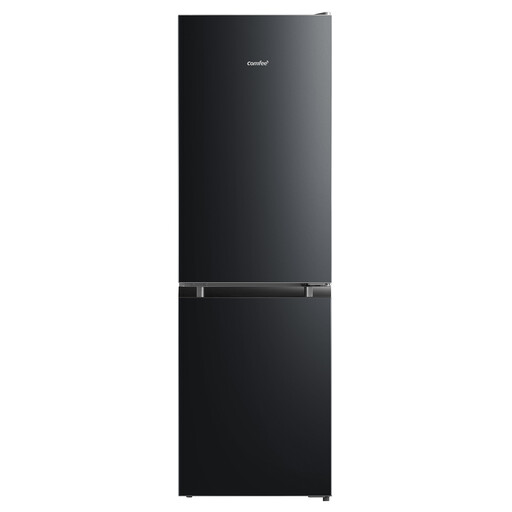 Image unavailable
For a small kitchen, compare the stated total capacity of 174 l with the amount of fresh and frozen food you usually keep.
Freestanding model with stated Low Frost technology and a reversible door. Check the full dimensions, ventilation and space needed to open the door.
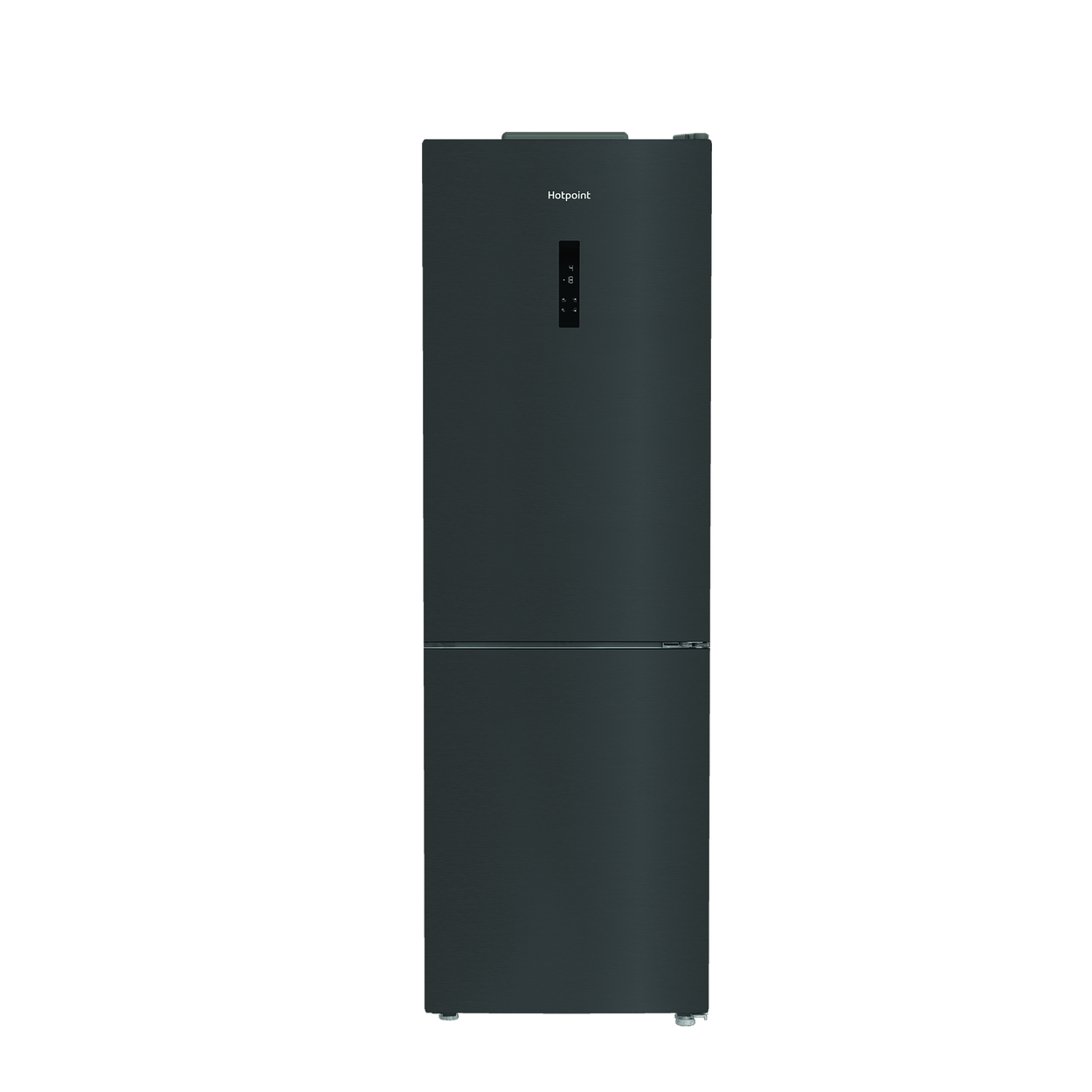 Image unavailable
If you want to set aside space for frozen food, compare the fridge and freezer capacities of this 316 l fridge freezer before deciding how much usable space it offers.
Stated Double No Frost technology and energy rating D. Check the dimensions, delivery access and installation requirements for your kitchen.
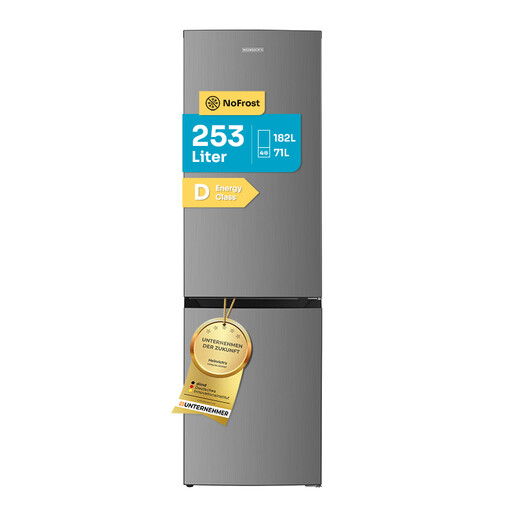 Image unavailable
If your weekly shop is mostly fresh food with some frozen items, assess the stated 182 l fridge capacity and 71 l freezer capacity separately.
No Frost, reversible door hinge and stated noise level of 39 dB. Check the width, depth and required clearances before choosing where to put it.
Measure the available height, width and depth, then check the delivery route, which way the door opens and how far it swings. For a built-in model, also measure the housing unit and check the door mounting; for every model, follow the clearances in its manual. Whirlpool’s recommendations of 5 cm above and 10 cm behind apply to its freestanding appliances, not all fridges.
A fridge freezer is worth considering if you regularly need a separate freezer compartment, provided its dimensions suit your kitchen. Compare the litres available in the freezer with the space left for fresh food, rather than relying on the total capacity alone.
Compare annual energy consumption in kWh, the energy rating, noise level in dB and the capacity of each compartment. For the fairest comparison, look at models of a similar size and capacity. ADEME presents the energy label as a useful guide when choosing; you can also check the European Commission’s EPREL database for details of a registered model.