You’re moving into a studio with a narrow kitchen
A table-top fridge is worth considering if ceiling height is limited. Before choosing a model, check its depth, the clearance specified in the manual and the space needed to open the door.


For your first home, measure the available space, allowing for ventilation and the door swing, then choose a usable capacity that suits your shopping habits. A table-top fridge could work if space is very limited and you store few frozen foods. If freezing food is part of your routine, compare the capacities of fridge-freezers instead, provided there’s room to install one.
A table-top fridge is worth considering if ceiling height is limited. Before choosing a model, check its depth, the clearance specified in the manual and the space needed to open the door.
Fridge capacity matters more than a freezer compartment you rarely use. Que Choisir suggests 100 to 150 litres of usable capacity for one person. Adjust this to suit how often you shop and how many meals you keep in the fridge.
Compare freezer capacity separately from fridge capacity. According to Que Choisir, a small freezer compartment may not be enough if frozen food makes up a significant part of your shopping. In that case, consider a fridge-freezer if you have room to install one.
First rule out any appliances that can’t be installed properly, then compare the remaining sizes based on how much room you need for fresh and frozen food.
Consider this if: ceiling height is limited and you mainly buy fresh food.
The trade-off: you’ll need to do without built-in freezer storage or use another appliance.
Consider this if: you need a compact fridge but occasionally want to keep some frozen food.
The trade-off: check the compartment’s capacity and function: it may not meet your needs if you regularly store frozen food.
Consider this if: a table-top fridge doesn’t offer enough room for your fresh food and you don’t need a built-in freezer.
The trade-off: a taller appliance needs a suitable space in your kitchen.
Consider this if: you regularly store frozen food or meals prepared in advance.
The trade-off: you’ll need to make room for a separate freezer section, taking the available height and depth into account.
| Consideration | What to check | Who is it for? |
|---|---|---|
| Installation | Dimensions H × W × D, clearances specified in the manual and door swing. | If you have a narrow kitchen, you’ll want to position the appliance without blocking the door or restricting ventilation. Around 36% of consumers prioritise installation. |
| Fridge capacity | Usable fridge capacity in litres, separate from total capacity; shelf layout. | If you keep several meals in the fridge and shop less often, you’ll need enough room for fresh food. Around 29% of consumers prioritise fridge capacity. |
| Freezer capacity | Whether there’s a freezer compartment or separate freezer, its function and usable capacity. | If you prepare meals to freeze or regularly buy frozen food, a small built-in compartment may not meet your needs. Freezer capacity is the top priority for around 21% of consumers. |
| Energy use and noise | Stated annual energy consumption and noise level in dB(A), compared across similar sizes and capacities. | If you also spend time relaxing in the room, you’ll want to consider the appliance’s everyday noise and energy use. These are the top priorities for around 14% of consumers. |
An appliance may fit the external dimensions of the space but still be difficult to install if there isn’t enough room for the door to open or the ventilation clearances aren’t met.
Compare the product dimensions with the space available, the route into your kitchen and the instructions in the manual. Beko recommends at least 5 cm of clearance at the sides and rear of its fridges; check the manual for your chosen model rather than applying this measurement to every brand.
Total capacity doesn’t tell you how much room you’ll have for fresh food if the appliance also has a freezer section.
Check the usable fridge and freezer capacities separately. For one person, Que Choisir’s suggested 100 to 150 litres of usable capacity is a starting point; adjust it to suit your shopping habits.
A built-in compartment may be suitable for occasional use, but it might not have enough room for regular frozen-food shops or meals prepared in advance.
Work out what you want to store over the course of a week, then compare the table-top fridge’s compartment with the separate freezer capacity of a fridge-freezer.
Having a fridge to remove can complicate your move if you haven’t arranged for it to be taken away.
Before ordering, check the delivery and collection options available, as well as the route the new appliance will need to take into your home.
Removing the old appliance and getting the new one into place may require some extra planning on delivery day.
Beko offers freestanding table-top fridges with or without a freezer compartment. They’re worth exploring if the available height is a key factor in your choice.
Bosch’s product specifications let you compare both a table-top fridge with a built-in compartment and a freestanding fridge-freezer.
Liebherr offers freestanding and table-top fridges, with dimensions and capacity to compare for each individual model.
These models illustrate a range of storage needs for a small kitchen: two fridge-freezers with separate fresh and frozen food capacities, a single-door fridge and a mini fridge. Before choosing a size, check the installation dimensions and the capacities that matter for your shopping habits.
 Image unavailable
Worth considering if you need separate areas for fresh and frozen food in a kitchen where width is limited.
The product name lists 153 L of fridge capacity, 74 L of freezer capacity, a width of 54 cm and a reversible door.
Check the height, depth, ventilation clearances and door swing for the space you have available.
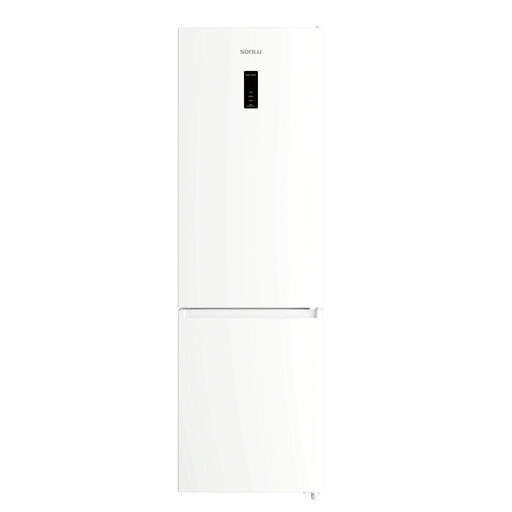 Image unavailable
Worth comparing if you regularly store fresh and frozen food and have space for an appliance that’s 60 cm wide.
The product name lists 252 L of fridge capacity, 103 L of freezer capacity and a reversible door.
Check the height, depth and specified clearances before choosing it for a small kitchen.
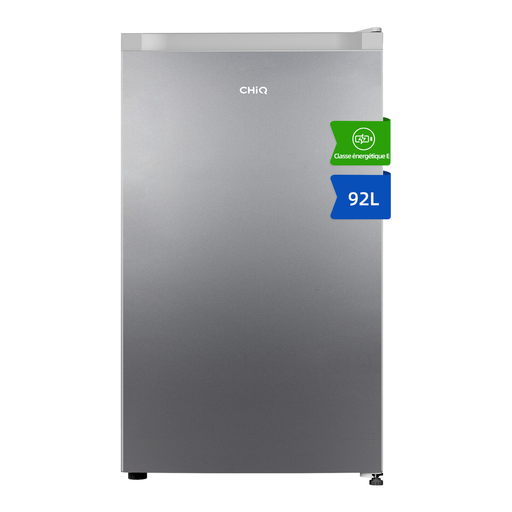 Image unavailable
Worth considering when space is tight and you’re happy to check carefully how much room is available for each type of food.
The product name lists a capacity of 92 L and a freezer section, but doesn’t specify their individual usable capacities.
If you store frozen food, check the compartment’s function and capacity. Also compare the full dimensions and installation instructions with the space you have available.
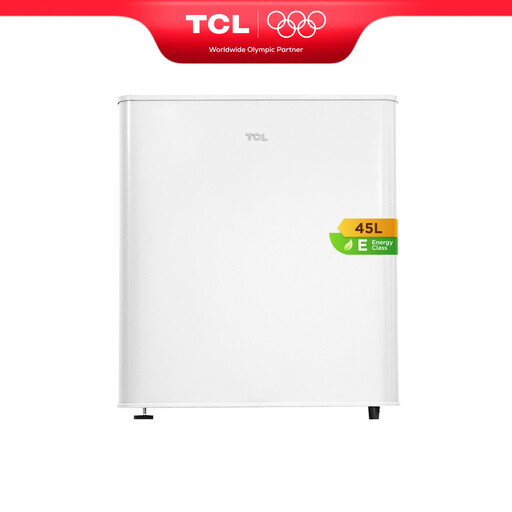 Image unavailable
Consider this only if you have limited storage needs: compare its capacity with the shopping and meals you want to keep chilled.
The product name lists a capacity of 45 L and a tempered glass shelf.
If freezer space matters to you, check the function of the compartment in the model specifications; don’t assume what it’s for based on the stated capacity alone.
Measure the height, width and depth of the space, then check the clearances specified in the model’s manual. Also make sure there’s enough room to open the door and to get the appliance into the kitchen.
It could be suitable if you mainly store fresh food and only keep a few frozen items from time to time. If you regularly buy frozen food or want to freeze meals, Que Choisir recommends considering a fridge-freezer rather than a small freezer compartment. If so, compare freezer capacity and the appliance dimensions.
Compare the stated energy consumption and noise levels of appliances with similar sizes and capacities. ADEME recommends checking the energy label. In a studio or open-plan kitchen, also look at the noise level in dB(A), rather than choosing based on the energy rating alone.
Check the appliance’s dimensions, condition and operation, and ask for any available documents to identify its model and specifications. The Caisse d’Allocations Familiales also recommends checking which appliances are already included in your home before buying another one.