A temporary, sparsely equipped kitchen
You have very little worktop space and want to be able to put an appliance away after use, while still preparing more than just reheated meals.


To equip your first small kitchen, start with the meals you make most often: a portable hob for frying pans and saucepans, a mini oven for baked dishes, a combination microwave for reheating and extra cooking modes, or a multi-cooker for slow-cooked meals. Before you buy, check what your accommodation already allows you to do. Then measure the space the appliance needs, including room for the door to open and for ventilation. Don’t assume an existing socket is suitable for its power requirements.
You have very little worktop space and want to be able to put an appliance away after use, while still preparing more than just reheated meals.
You cook regularly and want to cover your usual cooking methods without leaving several appliances on the worktop.
You already have a built-in appliance or a socket, but need to work out what’s actually missing and check the connection requirements before adding another appliance.
If an existing hob or oven already covers the meals you usually make, one extra appliance may be all you need. Otherwise, start by choosing the cooking method you’re missing most. These appliances take up different amounts of space and are suited to different dishes.
Consider it if : you mainly cook with a frying pan or saucepan and want to clear the worktop after use.
Bear in mind : it won’t cook oven dishes, and induction hobs also require compatible cookware.
Consider it if : you often reheat food and would also like the cooking or grilling modes available on your chosen model.
Bear in mind : it takes up a permanent spot on the worktop and won’t automatically replace a hob for frying.
Consider it if : you regularly make dishes that need to be baked and your accommodation doesn’t have an oven.
Bear in mind : it needs a stable place to sit, and its capacity in litres doesn’t guarantee your dishes will fit inside.
Consider it if : you mainly make one-pot meals and want a choice of cooking programmes.
Bear in mind : it won’t replace several saucepans used at the same time or an oven for recipes that need one.
Consider them if : the hob or oven provided works and covers the cooking you usually do.
Bear in mind : check its condition and capabilities before deciding what to buy; don’t alter the installation to accommodate a new appliance.
| What matters | What to check | Who is this for? |
|---|---|---|
| Space and storage | External dimensions, room needed to open the door and the clearances specified in the manual. | When I need to keep the worktop clear, I’m looking for an appliance I can set up and put away safely; around 36 % of consumers prioritise space and portability. |
| Reheating and cooking without a built-in oven | The modes actually available on the combination microwave and the space needed with the door open. | I often reheat meals, but would also like to prepare some dishes without immediately adding an oven; versatility without a built-in oven comes first for around 29 % of consumers. |
| Cooking methods for your meals | Whether your cookware is suitable for induction and the size of dishes the oven can accommodate. | Some of my meals need a frying pan or saucepan, while others need to be baked: I need to cover the cooking methods I’m missing, even if that means combining two appliances. Around 21 % of consumers prioritise this variety of cooking methods. |
| One-pot cooking | A capacity suited to the portions you plan to make, the model’s programmes and how easy its removable parts are to clean. | For soups or slow-cooked dishes, I’d rather make the meal in one pot with less hands-on cooking; this way of cooking is a priority for around 14 % of consumers. |
An appliance’s cavity may be big enough for your food, but that doesn’t mean the appliance will fit on your worktop. You also need to consider the door opening and the size of your dishes.
Measure the width, depth and height of the space, then allow for the door to open and for the clearances specified in the model’s manual.
An induction hob needs cookware with a magnetic base, so your existing saucepans and frying pans may not be suitable.
Check the cookware labelling or test the base with a magnet before choosing a portable induction hob.
Portability doesn’t remove the need to follow guidance on ventilation, supervision and connecting the appliance. For example, the manual for IKEA’s TILLREDA portable hob says to keep the ventilation openings clear and not to leave the appliance unattended while it’s running.
Follow the manual for your chosen model and check the location and available socket. Any changes to the electrical installation need a proper assessment, not an improvised fix.
A working built-in hob or oven may already cover the cooking method you’re thinking of buying another appliance for.
First, check the condition and use of the appliances already there, then choose an extra one to meet a specific need.
IKEA’s range includes TILLREDA portable induction hobs with one or two cooking zones, designed for small kitchens.
Whirlpool offers freestanding and combination microwaves; cooking and grilling functions vary by model.
Moulinex’s range includes OPTIMO mini ovens in 19 L and 33 L sizes, with modes that vary by model.
Tefal offers one-pot cooking appliances, including multi-cookers designed for a range of everyday dishes.
These appliances cater for different needs in a small kitchen: cooking in an oven, on a hob or in a single pot, as well as reheating with a combination microwave. Choose according to the meals you want to prepare and the space you have available.
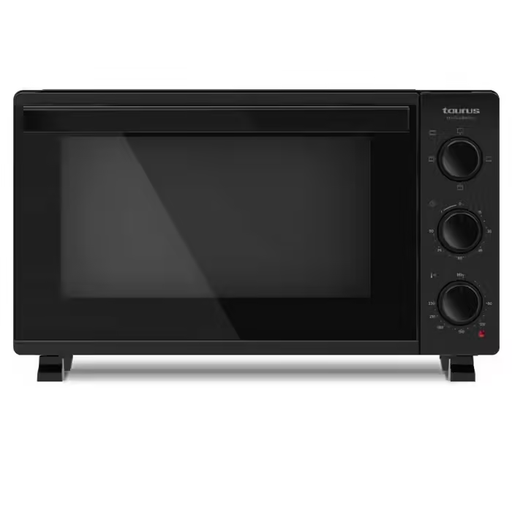 Image unavailable
Worth considering if your accommodation doesn’t have an oven and you have a stable space for a worktop model.
Stated capacity of 23 L. Check that your dishes fit inside the cavity and that the space meets the specified clearance and connection requirements.
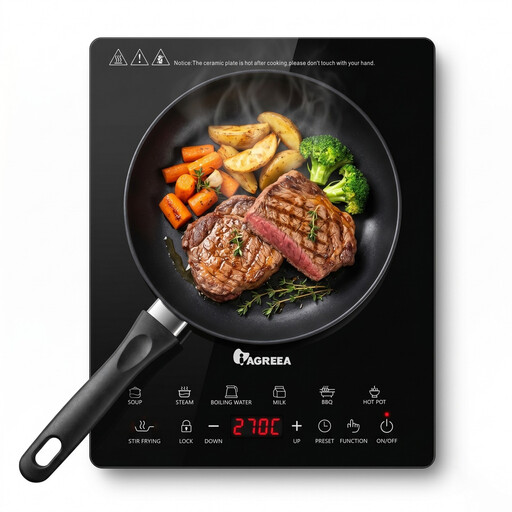 Image unavailable
For cooking with a frying pan or saucepan when you don’t have a built-in hob, provided you have a suitable space and compatible cookware.
The product name specifies eight power levels, a 3 h timer and cookware measuring 12 to 26 cm. Check the space needed, ventilation and whether the socket is suitable for the stated power.
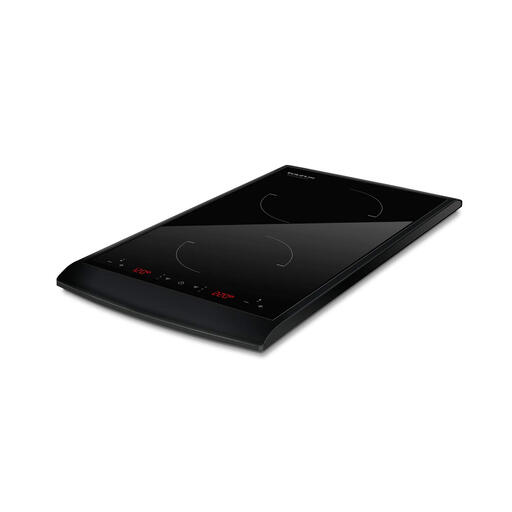 Image unavailable
The two-zone design lets you cook two dishes on the hob at once, provided your worktop has room for the appliance.
Check that your cookware is suitable for induction, follow the clearances in the manual and make sure the socket is suitable for the stated total power of 2 900 W.
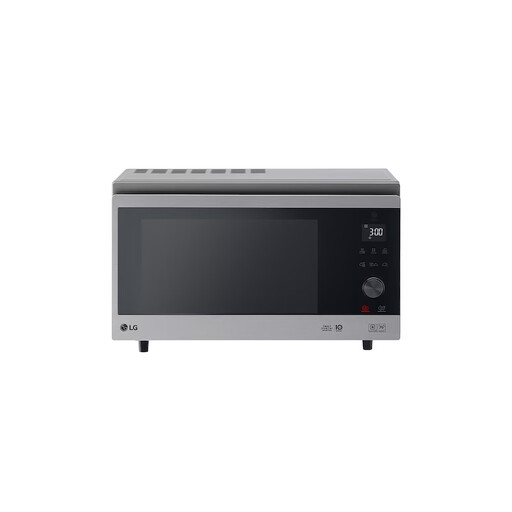 Image unavailable
For reheating meals and using the model’s cooking modes in a freestanding appliance, if you have enough space for it.
Stated capacity of 39 L. Also measure the space needed to open the door and check the manual for clearance and connection requirements.
 Image unavailable
Worth considering for meals made in a single pot, especially if you’re interested in steaming with the basket.
The product name lists two heat settings and a steaming basket. If you want a timed cooking programme, check separately whether the model has programmes or a timer, as well as its dimensions and connection requirements.
No. The location must meet the requirements in the manual for your chosen hob. For its TILLREDA portable hob, IKEA specifies, among other things, that the ventilation openings must be kept clear and the appliance must not be left running unattended. Check the guidance for your own model.
Don’t assume so. Compare the appliance’s power and connection instructions with the available socket and electrical installation. If the installation may need adapting, get it assessed before using the appliance rather than altering the circuit yourself.
Not for every recipe. A combination microwave can bring together reheating and some cooking modes, but it won’t automatically handle meals made in a frying pan or several saucepans. Whirlpool offers cooking and grilling functions across its range; check the features of the model you’re considering against the meals you usually make.
First measure the space for the appliance and the room needed to open its door, then check the clearances specified in the manual. Next, compare the size of the dishes or plates you plan to use with what the appliance can accommodate: capacity in litres alone isn’t enough.
Check your tenancy agreement and any guidance for the property, particularly if you’re considering fixing or drilling anything or altering the installation. Even with a freestanding appliance, check the instructions for use in its manual; don’t assume that being portable means you can make changes to the property.