Renters with a poorly equipped kitchen
Before adding an appliance, work out which function your kitchen is missing : hob cooking, oven cooking or simply reheating. Then measure the space you have available.


Choose based on the cooking function you’re missing : a microwave mainly for reheating or defrosting, a portable hob for cooking in a saucepan or frying pan, or a mini oven or air fryer for dishes suited to their functions. None of these appliances automatically replaces the others ; check the space available, the model’s installation and power requirements, and the cookware you’ll need.
Before adding an appliance, work out which function your kitchen is missing : hob cooking, oven cooking or simply reheating. Then measure the space you have available.
If you reheat ready-made meals or defrost food, a microwave can handle those tasks. A grill or other settings can extend what a particular model can do, but won’t turn it into a hob.
Cooking in a saucepan and preparing a dish in the oven are two different needs. Think about which one comes up most often in your usual meals before choosing between a portable hob and a mini oven, or considering both if space and installation allow.
Start with the meals you actually prepare : these four types of appliance don’t cover the same cooking tasks.
Consider one if : you mainly reheat meals or defrost food.
Limitation : a grill or combination setting won’t automatically replace a hob or oven for every recipe.
Consider one if : you want to roast, grill or bake without having a full-size oven.
Limitation : it won’t let you cook in a saucepan or frying pan like a hob.
Consider one if : you mainly need a cooking zone for a saucepan or frying pan.
Limitation : your cookware must be induction-compatible ; the hob doesn’t offer oven cooking.
Consider one if : the portions and dishes you have in mind suit the model’s basket and functions.
Limitation : its programmes don’t give it the same function as a hob for cooking in a saucepan.
| Priority | What to check | My needs |
|---|---|---|
| Type of cooking | List the dishes you want to reheat, the meals you cook in a saucepan and the dishes you’d make in an oven. Check that the model’s functions suit the recipes you have in mind. | Do I mainly reheat meals, or do I need to boil, simmer, roast or grill ? |
| Space and installation | Measure the appliance and the space for it, then check the model’s manual for the required surface, clearances, ventilation and electrical supply. Whirlpool, for example, requires its freestanding microwaves to be placed on a flat surface with the vents unobstructed. | Is there enough room on my worktop to use the appliance as instructed in its manual ? |
| Energy use | Don’t confuse the stated power rating with the energy used to cook a meal. The annual estimates published by the French Agency for Ecological Transition (ADEME) cover average usage across categories; they don’t guarantee the energy use of a compact model. For an oven with an energy label, consider it alongside the oven’s capacity. | I want to compare appliances based on the meals I prepare most often, rather than relying on the power rating alone. |
| Cleaning and cookware | Check which parts need cleaning and which accessories are included with the model. Before choosing induction, make sure your essential saucepans and frying pans are compatible ; Tefal notes that not all cookware is suitable. | Easy cleaning matters to me, and I want to know whether I can use the cookware I already have. |
Reheating, cooking in a frying pan and oven cooking are still different tasks, even when an appliance offers several programmes. A review by ADEME and the French National Consumer Institute found no clear overall advantage for combination ovens over convection ovens : results vary depending on the dishes and models.
Make a note of the meals you usually prepare and identify the function you’re missing before comparing programmes.
The stated power rating doesn’t tell you how long an appliance will be used or how much energy it takes to prepare a meal. ADEME’s annual figures are average estimates for different categories, based on different usage patterns.
Compare appliances based on the dishes you plan to make, their capacity and the energy information relevant to each model.
Even a compact appliance needs to be positioned and ventilated according to its manual. Whirlpool says not to obstruct the vents on its freestanding microwaves.
Measure the space and check the clearances, positioning surface and electrical requirements for the exact model before you buy.
Tefal notes that not all frying pans and saucepans are compatible with induction. So the hob you choose might not work with the cookware you use most.
Check that all your essential pans are compatible before choosing an induction hob.
You may need to replace incompatible cookware.
These examples from different product ranges can help you compare the advertised functions ; the features mentioned apply only to the specific models named.
Whirlpool offers freestanding microwaves, including models with a grill, and publishes installation advice.
Moulinex offers mini ovens and compact air fryers, among other appliances, for dishes that depend on each model’s functions.
Tefal offers portable induction hobs that provide a useful point of comparison for controls and cookware compatibility.
These models suit three different tasks : cooking on an induction hob, reheating with a microwave that has a grill, or preparing small portions in an air fryer. Start by choosing the function your kitchen is missing.
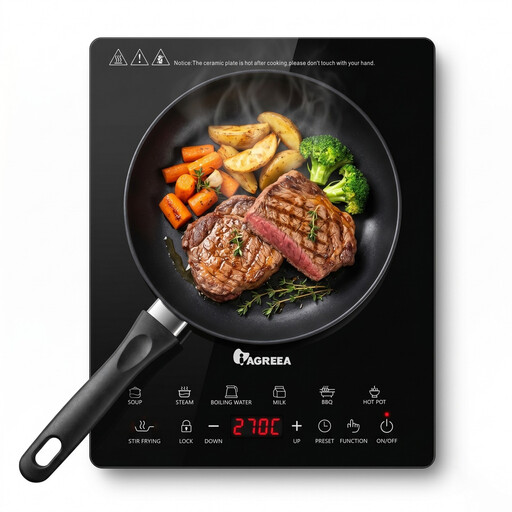 Image unavailable
For cooking in a saucepan or frying pan, rather than reheating a meal in the microwave. The model name indicates eight power levels, seven preset functions and compatibility with cookware measuring 12 to 26 cm ; check that your pans are induction-compatible too. Before setting aside a space for it, check the manual for dimensions, clearances and electrical requirements.
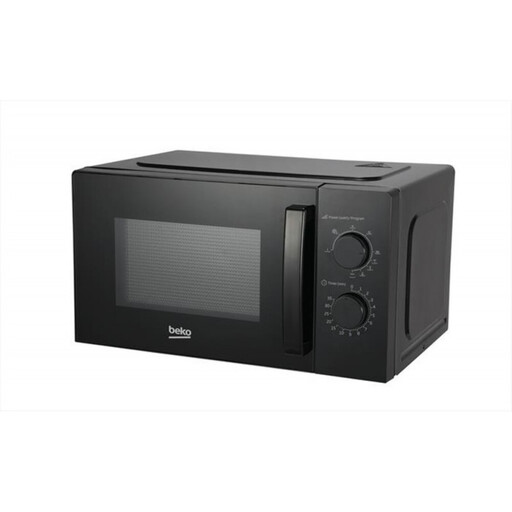 Image unavailable
Worth considering if reheating is your main priority and you’d also like a grill. The stated microwave power is 700 W. The grill doesn’t replace a hob for cooking in a saucepan ; check the manual for the required space and ventilation.
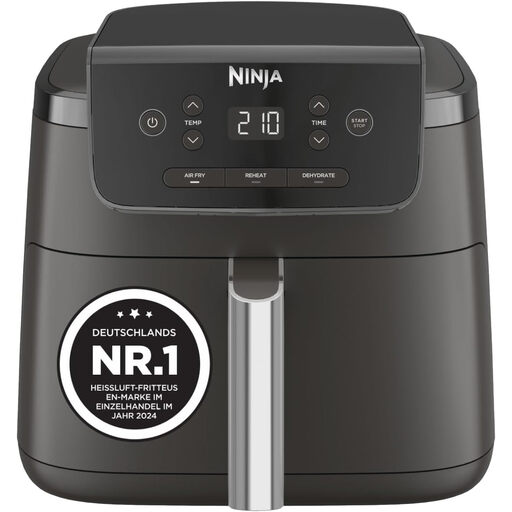 Image unavailable
This size is worth considering for dishes that fit in its basket, which is stated to hold one to two portions. The model name indicates a power rating of 2 000 W and a non-stick basket. It doesn’t replace a hob for cooking in a frying pan ; check the space, ventilation and electrical requirements in the manual.
Not for meals you’d normally cook in a saucepan or frying pan. A microwave is useful for tasks such as reheating and defrosting ; if cooking on a hob is your main need, consider a hob and, for induction, check that your cookware is compatible.
No. A review by ADEME and the French National Consumer Institute found that results vary depending on the dishes, models and brands, with no clear overall advantage for combination ovens over convection ovens. Compare the recipes you plan to make, the capacity and the installation requirements for the model you’re considering.
Measure the space, then check the model’s manual for the required surface, clearances, ventilation and electrical supply. For its freestanding microwaves, Whirlpool specifies a flat surface and unobstructed ventilation openings ; the required clearances depend on the model.
No. ADEME presents the energy label as a useful guide for the ovens it covers, but it doesn’t provide a common measure of energy use across these three types of appliance for your meals. Its annual averages by category also reflect different usage patterns : consider the dishes you prepare, the capacity you need and the information specific to each appliance.
Only if the cookware you need isn’t induction-compatible. Tefal notes that not all frying pans and saucepans are suitable : check your essential cookware before choosing a hob.