Renters or flat owners with a compact kitchen
A fixed recess or narrow worktop can limit your options. Before choosing a built-in or gas appliance, check what your cabinets and existing connections can accommodate.


In a small kitchen in a flat, start by considering the space you actually have and the types of cooking you do every day. Then check the connection requirements and, if you’re considering gas, the ventilation. A two-zone hob or compact oven could suit a specific space constraint, while a microwave with grill, mini oven or multicooker is better suited to particular tasks. If your existing appliances already cover the meals you usually make, buying another one may simply take up valuable worktop space.
A fixed recess or narrow worktop can limit your options. Before choosing a built-in or gas appliance, check what your cabinets and existing connections can accommodate.
Your choice depends on the meals you usually prepare. Do you need to use two pans at once, have an oven cavity for gratins, or mainly reheat food and cook in a pot?
Compare its features with those of your current appliances. Combining several cooking modes in one appliance is only practical if it gives you a function you’re missing.
Start with the meals you want to prepare and the space you’ve measured. Then rule out appliances that aren’t compatible with the available space or connection.
| Consideration | What to check | My needs |
|---|---|---|
| Space and capacity | Measure the width, height and depth, as well as the space needed to open the door. For a built-in model, compare the dimensions with those required for the recess. For a countertop appliance, also allow for the clearances specified in its instructions. Finally, check the useful capacity or number of cooking zones. | I want to keep enough space to prepare meals without choosing a cavity that’s too small for my dishes or losing a cooking zone I use regularly. |
| Installation | Check the circuit and connection requirements for the exact model. Promotelec specifies a 32 A circuit for an electric cooker or hob in the reference installation under NF C 15-100; this doesn’t confirm that an existing home is compatible. For a gas hob, GRDF highlights the need for suitable ventilation. | Before choosing a hob, I need to know whether it can be connected in my kitchen. If I’m considering gas, having an extractor hood or a window alone isn’t enough to confirm that the ventilation is suitable. |
| How you usually cook | Make a list of the meals you often prepare and the size of the cookware you use. A two-zone domino hob limits how much you can cook at once; a microwave with grill, oven and multicooker each serve different purposes. Check the modes on the specific model rather than relying on the term “multifunction”. | For gratins, I need a suitable cooking method and cavity. For reheating or cooking meals in a pot, I can consider other formats. I don’t need to duplicate a function I already have. |
| Product information | For new ovens and extractor hoods that require one, check the energy label and details for the exact model. The Ministry of the Economy says these categories are among those covered by energy labelling. Compare information for appliances in the same category. | If I use an oven regularly, I want to be able to check its energy information rather than trying to estimate it from the capacity or power rating of a different type of appliance. |
A so-called compact oven may simply be shorter. It still needs a recess with the specified dimensions and enough room to open the door.
Measure the recess, its depth and the space needed for the door to open, then compare these measurements with the requirements for the exact model.
An empty socket doesn’t prove that it’s suitable for connecting a hob or built-in oven.
Find out what circuit is available and, if in doubt, ask a qualified professional to check the installation. Don’t alter a fixed connection yourself to make it fit your purchase.
According to GRDF, a gas hob needs ventilation that’s suitable for the layout of the room. The presence of an extractor hood or window alone doesn’t mean the requirements are met.
Ask someone to check the ventilation requirements for your home, and keep existing air inlets and outlets clear.
A mini oven, microwave with grill and multicooker don’t offer the same cooking methods or capacities. A countertop appliance will also reduce your available worktop space.
Make a note of the meals and cookware you usually use, then choose a function that your current appliances genuinely lack.
These examples show different cooking formats; their specifications don’t apply to every appliance from the same brand.
The PIB375FB1E domino hob is an example of a two-zone built-in hob for kitchens where width is limited.
The models listed here illustrate the difference between a compact oven, a standard oven and a built-in combination oven.
The LMF4263TET is a built-in microwave with grill to consider for reheating and occasional browning.
The Optimo 19 L is an example of a countertop mini oven for kitchens without a built-in recess.
The Fast & Delicious CY505E10 is designed for cooking in a pot rather than in an oven.
These models are designed for cooking in a pot, reheating or grilling, without needing to be built in. Check that you have room for one on your worktop, and confirm its clearance and connection requirements for your kitchen.
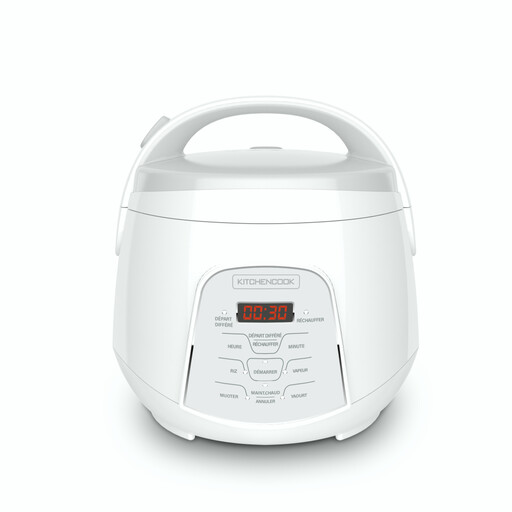 Image unavailable
Worth considering for meals cooked in a pot, rather than as a replacement for an oven or multiple cooking zones. The manufacturer recommends leaving at least 40 cm of clear space above it and 10 cm at the sides. Check the plug type too before choosing where to put it.
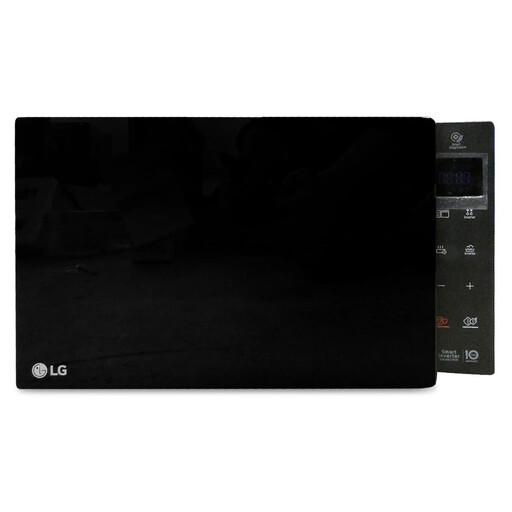 Image unavailable
For reheating, defrosting and occasional browning, without needing a built-in recess. Check that your dishes fit inside the 25 L cavity, then consult the instructions for ventilation clearances and connection requirements before deciding where to put it.
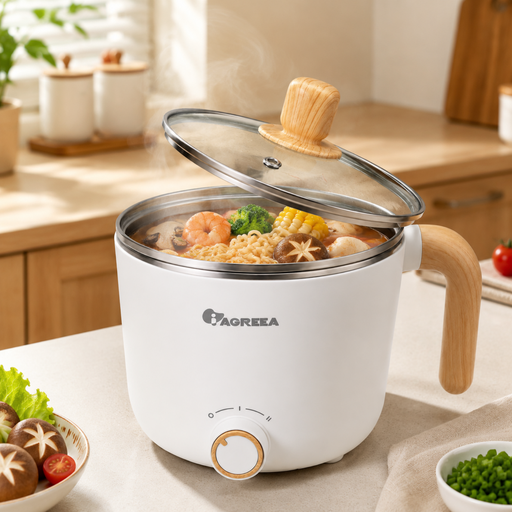 Image unavailable
Its stainless steel pot and two power settings are suited to simple, small-portion meals. The 1.0 L capacity may limit portion sizes, so check the dimensions, clearances and electrical compatibility before setting it up.
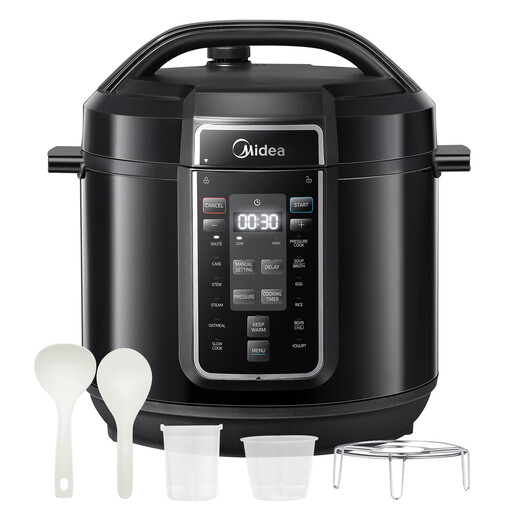 Image unavailable
Consider whether its 12 advertised programmes match the types of meals you actually cook in a pot; an 8 L capacity may be more than you need for small portions. Check its dimensions and connection requirements. When pressure cooking, follow the fill limits and never force the lid open while the appliance is pressurised.
No. Don’t assume this is suitable for a fixed hob. Promotelec specifies a dedicated 32 A circuit for an electric cooker or hob in the reference installation under NF C 15-100. Have the circuit available in your home checked before choosing how to connect the appliance.
It depends on the layout and ventilation in your home. GRDF says a gas hob needs suitable ventilation. Have the relevant requirements checked before choosing one, and don’t block any existing vents or air grilles.
Not necessarily. According to the dimensions published by Whirlpool for the models mentioned, the compact oven is 45.5 cm high but still 55.9 cm wide, compared with 59.7 cm high and 59.5 cm wide for the standard oven. Check the recess requirements for the exact model rather than judging its footprint from the word “compact”.
It can be useful for reheating, defrosting and occasional browning, but it won’t necessarily cook the same dishes as an oven. The Electrolux LMF4263TET, for example, has a 26 L cavity and microwave and grill modes. Compare these features with the size of your dishes and the recipes you usually make.
Check the energy label and product details for the model you’re considering. The Ministry of the Economy says ovens are among the new appliances covered by this labelling. Compare information for similar ovens rather than appliances in different categories.