People who cook in a saucepan or frying pan
If your everyday meals include pasta, stir-fried vegetables or sauces, start by looking at a portable hob. For induction, also check that your cookware is compatible.


If you often cook in a saucepan or frying pan, a portable hob is a good place to start. Add a mini oven if you regularly make gratins, pastries or other oven-baked dishes. A multi-cooker is better suited to recipes cooked in one pot, while a combination microwave or air fryer serves different purposes and won’t automatically replace a hob and oven. Before combining several appliances, check how much space you have, whether your cookware is compatible and what electrical capacity you’ll need.
If your everyday meals include pasta, stir-fried vegetables or sauces, start by looking at a portable hob. For induction, also check that your cookware is compatible.
For gratins, pizzas or cakes, the size of the oven cavity and the heating modes matter more than simply being able to reheat a dish.
A multi-cooker is worth considering if you mainly make slow-cooked, steamed or pressure-cooked dishes. If you often reheat meals, compare the microwave functions with any other types of cooking you’d like to do.
If your small kitchen has no full-size oven or cooker, start with the meals you make most often. Then choose an additional appliance to cover the types of cooking the first one can’t handle.
| Need | What to check | Who is it for? |
|---|---|---|
| Cooking in a saucepan or frying pan | Number of cooking zones, space to place the hob and power; cookware compatibility for induction. | If I mainly boil, sear or simmer food, I want to be able to use my saucepans and frying pans every day. Around 33% of consumers prioritise this need. |
| Oven-baked dishes | Dimensions of the cavity and dishes, heating modes and the appliance’s external dimensions. | For the gratins or cakes I make regularly, a suitably sized cavity matters more than a simple reheating function. Around 27% of consumers put this need first. |
| One-pot meals | The recipes you’ll actually use, the cooking pot’s capacity and the storage space required. | If I mainly make steamed, slow-cooked or pressure-cooked dishes, I want to prepare them all in one appliance. Around 20% of consumers prioritise one-pot meals. |
| Reheating or small batches | The functions actually included, the internal dimensions and the usable space for the portions you plan to make. | If I often reheat meals or roast small portions, I don’t want an extra appliance to duplicate what I already have. This is the priority for around 20% of consumers. |
A multi-cooker may duplicate cookware you already use; UFC-Que Choisir advises checking whether it will be useful before buying. A mini oven, combination microwave and air fryer may also handle some of the same recipes.
Make a note of the meals you cook in a typical week and start with the appliance that covers your essential cooking needs. Add another cooking method only if you’ll use it often.
A capacity in litres doesn’t tell you by itself whether your tin or plate will fit inside the cavity or basket.
Measure the cookware you use, then compare it with the internal dimensions and the space available for the appliance.
An extension lead doesn’t increase the power available from the wall socket. Promotelec advises staying within its maximum power rating and avoiding daisy-chaining extension leads.
Check the power rating of each appliance, the extension lead’s limits and your electrical installation before using them at the same time.
Comparisons of cooking time or energy use depend on factors such as the quantity prepared and the cooking method. ADEME’s published annual consumption figures for different appliance categories don’t reflect how often you personally use them.
When choosing between two appliances, compare the conditions behind the figures with the portions and recipes you actually prepare.
The Everyday Slim portable induction hob is an example of a countertop option for cooking with saucepans and frying pans.
The TO 2073 and MW 7774 models offer two ways to get a cooking cavity: a mini oven or a combination microwave.
The Cookeo and Easy Fry ranges meet different needs: one-pot meals with the former, hot-air cooking with the latter.
These appliances cover hob cooking, one-pot meals, hot-air cooking and microwave reheating. Choose according to the meals you usually make: the microwave featured here is not confirmed as an oven-cooking solution.
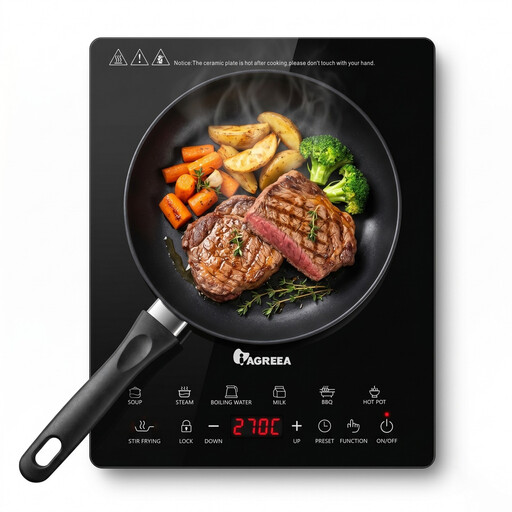 Image unavailable
Worth considering if you want to cook in a saucepan or frying pan without a built-in cooker.
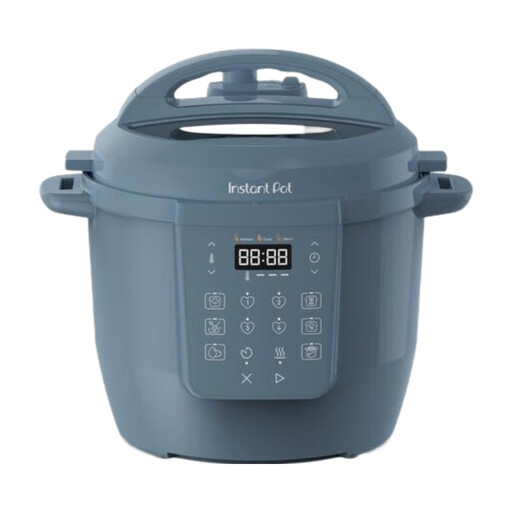 Image unavailable
Consider this if your meals mainly consist of slow-cooked, steamed or pressure-cooked dishes.
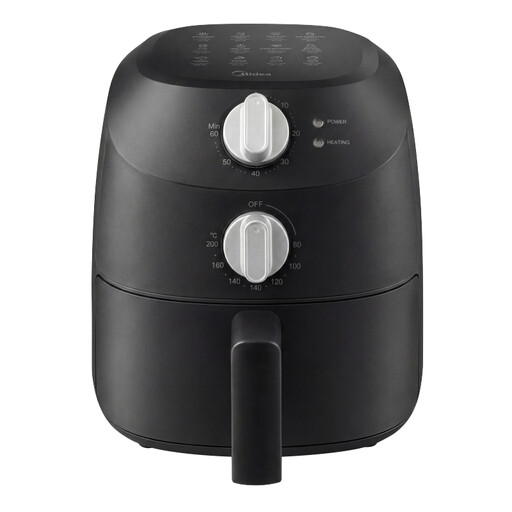 Image unavailable
Consider it as an extra appliance for cooking small portions with hot air, rather than for dishes made in a saucepan.
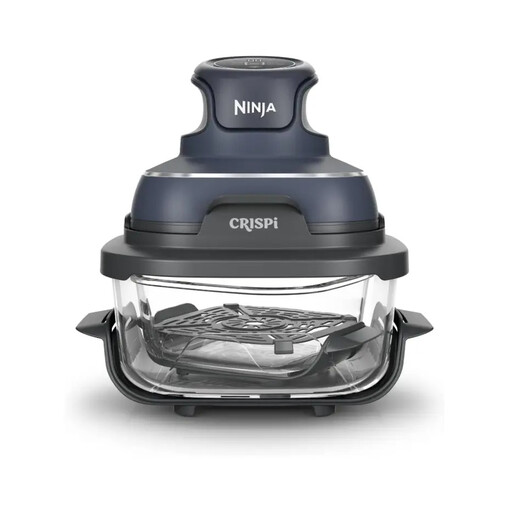 Image unavailable
Worth considering if you’d like to add hot-air cooking to your usual meals.
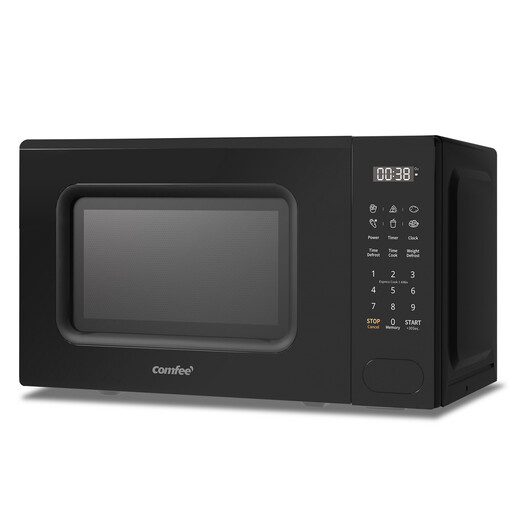 Image unavailable
Primarily worth considering for reheating and microwave cooking.
Not for every oven recipe: a grill alone doesn’t provide convection heat. If you’re considering a combination microwave for oven-baked dishes, check that convection heating is specifically included and that the cavity is large enough for your dishes. Severin lists these functions on its MW 7774 and MW 7752 combination models.
Don’t use them all at once without checking their power ratings and the limits of your electrical installation. Promotelec points out that an extension lead doesn’t increase the power available from the wall socket: stay within the limit shown on the extension lead and don’t daisy-chain several extension leads.
First, check the property inventory and ask your landlord which cooking appliances are provided. For furnished rentals in France, ANIL lists cooking hobs and an oven or microwave among the expected equipment; checking first can help you avoid buying something you don’t need.