Which option is right for you?
Choosing a washing machine depends on access to the drum and the connections, as well as the floor space it takes up once installed.
Studio flat residents with existing connections
If you have access to a suitable water supply, waste outlet and power supply, focus on comparing the depth of a front-loader with the width of a top-loader. Also make sure there’s enough room to open the door or lid.
Students without space for a standard washing machine
A mini washing machine may be worth considering for small, occasional loads. However, its limited capacity and spin options need to suit the laundry you want to wash and the conditions in your home.
Residents who also need to manage drying
A washer-dryer combines washing and drying in one appliance. Check the permitted load for each function and the details of the complete cycle before relying on it to avoid having a clothes airer out all the time.
What should you check before choosing?
First compare the options that can actually be installed, then consider your laundry load and drying arrangements.
Slim front-loader
Consider this: when depth is limited but there’s room to open the door in front of the appliance.
Trade-off: you’ll still need to allow for its width and space in front of the door.
Top-loader
Consider this: when the width of the access route is the main constraint.
Trade-off: the lid needs enough clear space to open fully above the machine.
Mini washing machine
Consider this: for small, occasional loads when a standard machine can’t be installed.
Trade-off: smaller loads may mean more cycles and limit your options for washing bulky items.
Washer-dryer
Consider this: when you need to dry laundry too, but don’t have room for a second appliance.
Trade-off: drying capacity may be lower than washing capacity. You’ll also need to consider the length and energy and water use of a complete cycle.
| Consideration | What to check | Think about your needs |
|---|
| Size |
Measure the width, depth and height, as well as the delivery route. Allow extra room for hoses and opening the door: the UFC-Que Choisir guide describes slim front-loaders with a depth of 33 to 45 cm, but you’ll still need to check the dimensions of the model you choose. |
I want to be able to move around and load the machine without blocking a hallway, kitchenette or bathroom. |
| Load capacity |
Compare the permitted load for your usual programmes and bulky items, not just the maximum capacity advertised. UFC-Que Choisir says that 5 to 7 kg is generally enough for one person or a couple. |
Depending on my laundry-sorting habits and how much I need to wash, a drum that’s too small could mean doing laundry more often. |
| Noise and spin |
Compare spin noise on the same basis and check any available spin performance results for the model. Also make sure the machine is level when installed. |
If the machine is near where I sleep, noise matters just as much as how damp the laundry is at the end of the cycle. |
| Drying |
Check where you’ll be able to dry your laundry and how well the room is ventilated. For a washer-dryer, compare the washing and drying loads separately, along with the length and energy and water use of a complete cycle. |
I don’t want to leave a clothes airer in my only living space without a plan for managing the moisture. ADEME notes that air-drying laundry releases a lot of moisture indoors. |
| Installation |
Locate the water supply, waste outlet and power supply, then check their positions against the appliance instructions. For its pre-installation service, Electrolux specifies a maximum distance of 1,2 m between the machine and both the water supply and waste outlet. |
Before ordering, I want to know whether the machine can be connected where I plan to put it, without assuming a longer hose will solve the problem. |
Leading brands
There are no brand features to display in this section.
Joybuy options for different needs
These models suit two of the needs covered here: combining washing and drying in one appliance, or doing small, occasional loads. Make sure their dimensions and installation requirements are suitable for your home.
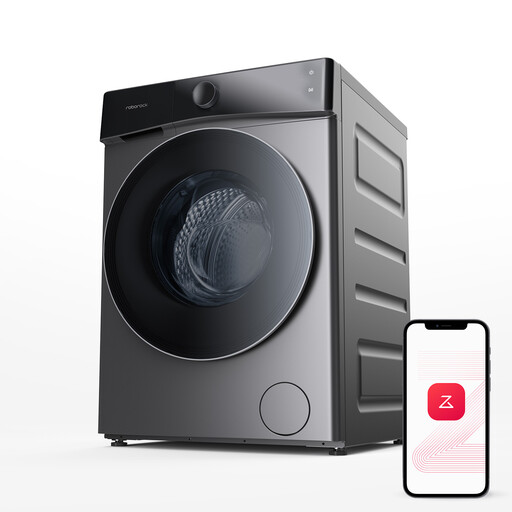 Image unavailable
Roborock Zeo Lite Gray — 10 kg washing, 6 kg drying
This washer-dryer combines both functions in one appliance if you also need to dry laundry at home. The product title lists 27 programmes and app control. Its 6 kg drying capacity is lower than its 10 kg washing capacity. For this model, also check the dimensions, connections, and the length and energy and water use of a complete cycle.
View on Joybuy
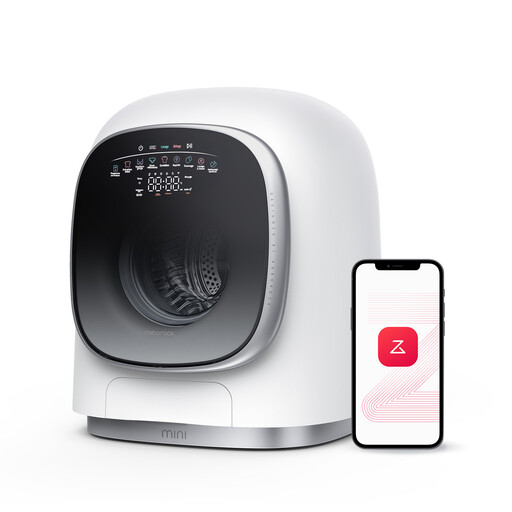 Image unavailable
Roborock Marshmallow Zeo Mini White — 1 kg washing, 0,5 kg drying
This model is designed for very small, occasional loads, with a stated washing capacity of 1 kg and drying capacity of 0,5 kg. These capacities aren’t comparable to those of a main washing machine. Check the dimensions, connections and installation requirements before setting aside space for it.
View on Joybuy
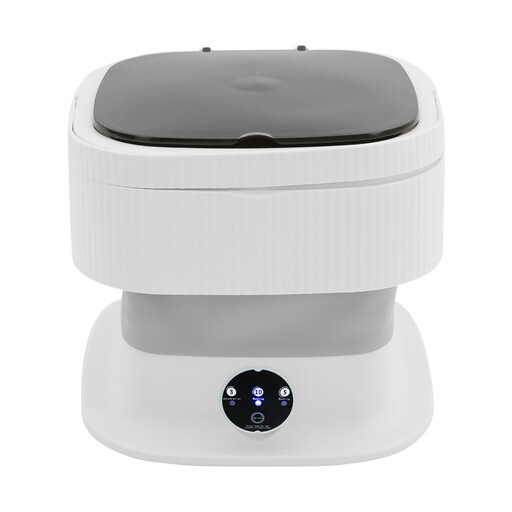 Image unavailable
10 L foldable portable mini washing machine
This portable, foldable design is suited to occasional use when there isn’t room for a standard washing machine. The product title lists a 10 L volume, three run times of 2, 5 and 10 minutes, and a 40 W motor. The volume in litres doesn’t tell you the laundry load in kilograms, so check this along with the unfolded dimensions and how the water supply and drainage work.
View on Joybuy
Frequently asked questions
Should I only measure the space for the washing machine?
No. Also measure the delivery route, allow space for the hoses and check how much clearance you’ll need to open the machine. A front-loader needs room in front of its door, while a top-loader needs enough clearance to open its lid.
Can a mini washing machine replace a main washing machine?
It’s best suited to small, occasional loads when installing a standard washing machine isn’t possible. The UFC-Que Choisir guide describes mini washing machines with capacities of 2 to 3 kg. Their capacity and spin performance may limit everyday washing and the cleaning of bulky items, so check the specifications of the model you’re considering.
Will a washer-dryer dry the whole load it washes?
Not necessarily: drying capacity may be lower than washing capacity. Compare both figures for the model and be prepared to remove some laundry if the wash load exceeds the drying limit. Also check the duration and energy and water use of a complete cycle.
What should I consider when drying laundry on an airer in a studio flat?
Choose a spot where air can circulate, rather than only considering how much room the airer takes up. ADEME notes that air-drying laundry releases a lot of moisture indoors, so check the ventilation available in your home.
Which connections should I check before ordering?
For a standard washing machine, locate the cold water supply, waste outlet and a suitable power supply, then check their positions against the instructions for your model. The Electrolux pre-installation guide specifies a maximum distance of 1,2 m to both the water supply and waste outlet for its service. This guidance doesn’t replace the requirements for the appliance you choose.


