Homes with space for just one appliance
If you can only install one floor-standing appliance, a washer-dryer combines both functions. However, you’ll need to base your load on its stated drying capacity, not just its washing capacity.


If you have enough vertical space, a compatible stacking kit lets you keep a separate washing machine and tumble dryer without placing them side by side. If your home can only fit one appliance, choose a washer-dryer, bearing in mind that its drying capacity is usually lower than its washing capacity. If you can install a separate tumble dryer without venting it to the outside, a heat pump condenser model is also worth considering, particularly if you dry laundry often. Compare its cycle times and energy consumption before deciding.
If you can only install one floor-standing appliance, a washer-dryer combines both functions. However, you’ll need to base your load on its stated drying capacity, not just its washing capacity.
If two appliances won’t fit side by side, stacking them could work, provided you have enough height, a suitable floor and appliances that are compatible with a stacking kit.
If you can keep a separate tumble dryer, its electricity consumption may be a more important factor in your decision. UFC-Que Choisir highlights heat pump condenser models, which don’t need an external vent.
First, work out whether your home can fit a stacked set-up or just one appliance. If you can have a separate tumble dryer, then consider its technology, capacity and programmes. A heat pump and a stacked installation aren’t mutually exclusive choices.
| Priority | What to check | Who it suits |
|---|---|---|
| Keep two appliances without placing them side by side | Check the available height, compatible model numbers and the kit designed for both appliances. According to UFC-Que Choisir, stacking is intended for front-loading appliances of suitable dimensions. | If I dry laundry regularly, I want to keep two separate appliances without using the full width of the room; around 42% of consumers put this priority first. |
| Install just one appliance | Compare the washing and drying capacities, then measure the space needed for the appliance and to open the door. | When I only have room for one machine, I’d rather combine washing and drying, even if I have to reduce the load for drying; around 33% of consumers share this priority. |
| Keep the tumble dryer’s electricity consumption down | For a separate tumble dryer, compare the stated energy consumption, programme duration and model capacity. Also check how it handles condensed water. | I have room for a separate tumble dryer and dry laundry often, so its electricity consumption is the main factor in my choice; around 25% of consumers prioritise this. |
UFC-Que Choisir points out that a washer-dryer’s drying capacity is lower than its washing capacity. So, if you wash a full load, you may need to reduce it or split it before drying.
Compare both stated capacities and choose according to how much laundry you want to dry in one go.
An unsuitable stack can move or become unstable. Stacking kit compatibility depends on the models and their dimensions, and the tumble dryer must sit on top of the washing machine.
Check the manuals for both appliances and the kit, then confirm they’re front-loading and check the model numbers, dimensions and floor stability before installation.
According to UFC-Que Choisir, heat pump condenser tumble dryers use less electricity than the conventional models covered in its guide, but the latter may dry clothes faster.
Compare the programmes and energy consumption of the models you’re considering, taking into account how often you dry laundry.
Worth considering for a stacked set-up, as long as you check the washing machine, tumble dryer and kit model numbers together.
Worth considering for an Electrolux stacked set-up, provided you choose appliances that match the kit you’re looking at.
Worth considering if you need a washer-dryer for a single space and can adjust your usual load to suit its drying capacity.
These washer-dryers combine washing and drying in one appliance. To choose between them, start with the load you want to dry, then check the dimensions and the full-cycle features that matter for how you’ll use it.
 Image unavailable
This washer-dryer is a practical option if you need to wash and dry with just one appliance.
Stated capacities: 11 kg for washing and 6 kg for drying. Adjust the load for drying and check the installation space, including room to open the door.
 Image unavailable
This model is worth considering if you need both functions in a single space.
Stated capacities: 10 kg for washing and 6 kg for drying. Check the space it will take up and the wash-and-dry cycle information before comparing it with other models.
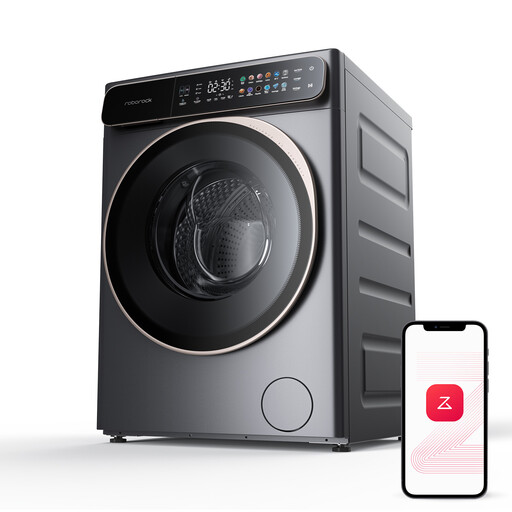 Image unavailable
This washer-dryer is worth considering when one appliance needs to handle both functions.
Stated capacities: 10 kg for washing and 6 kg for drying. Compare the drying load with your usual laundry habits, and check the dimensions and full-cycle information.
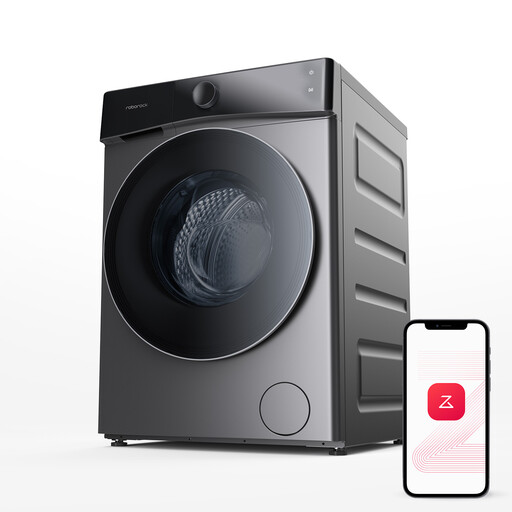 Image unavailable
This washer-dryer lets you combine washing and drying in a single space.
Stated capacities: 10 kg for washing and 6 kg for drying. Check the available space, full-cycle information and the maintenance requirements in the manual.
Not necessarily: its drying capacity is lower than its washing capacity. Check the model’s drying capacity and, if your load exceeds it, remove some laundry before starting the cycle. UFC-Que Choisir notes that capacities vary between the models it has tested.
No. Both appliances and the stacking kit must be compatible. UFC-Que Choisir recommends checking, in particular, that they’re front-loading and confirming the dimensions and stability of the set-up. The tumble dryer must sit on top of the washing machine, on a flat, solid floor.
According to UFC-Que Choisir, a heat pump condenser tumble dryer doesn’t need an external vent, unlike a vented model. However, check the manual for the clearances required and how to manage condensed water.
Compare their energy labels and product specifications on the same basis of use. You can also look up models covered by energy labelling in the European Commission’s EPREL database. Check the duration of the programmes that are useful for your household, too.