For quick, frequent cleans
In a small home, a vacuum that’s easy to get out and put away can matter just as much as how well it cleans everyday floors. Check how much space it takes up once the brush and accessories are put away.


For quick, frequent cleaning in a small home, choose a cordless stick vacuum if you want something that’s easy to get out and put away. Just check how long it runs in the mode you need for your floors. A compact bagged cylinder vacuum is worth considering if you’re happy to use a cable and make room for bulkier storage in return for avoiding recharging and handling dust less often: according to tests by UFC-Que Choisir, the stick vacuums tested last an average of around ten minutes at full power.
In a small home, a vacuum that’s easy to get out and put away can matter just as much as how well it cleans everyday floors. Check how much space it takes up once the brush and accessories are put away.
If you have rugs, carpet or floorboards with gaps, compare suction performance on these surfaces and check which brushes are included, rather than focusing only on the motor’s wattage. UFC-Que Choisir tests suction performance on different floor types.
A bagged cylinder vacuum means you don’t have to empty an open dust container. The trade-off is that you’ll need to replace the bags with compatible ones; a bagless model needs its container emptied and filters maintained.
First, choose a style that suits your usual cleaning routine, then check that its battery life or operating range works for your floors and storage space.
Worth considering: for quick clean-ups when being able to get the vacuum out and put it away easily is a priority.
The trade-off: battery life depends on the mode you use. According to UFC-Que Choisir, the stick vacuums tested last an average of around ten minutes at full power.
Worth considering: if you’d rather use a corded vacuum and clean without having to stop to recharge a battery.
The trade-off: the main unit, cable and hose all take up space, even on a compact model. If it has a bag, you’ll also need to replace it.
| Consideration | What to check | What I need |
|---|---|---|
| Run time | For a stick vacuum, compare the stated run times for each mode, particularly at higher power. For a cylinder vacuum, check the cable’s operating range. | I want to finish my usual cleaning without having to recharge the vacuum or change sockets too often. |
| Floor types | Look at suction test results for your floor coverings and check which brushes are included. Electrical wattage alone doesn’t tell you how well a vacuum picks up dirt; UFC-Que Choisir compares performance across different floor types. | Rugs, carpet or gaps between floorboards: I need to choose based on the surfaces I clean, not just the stated power. |
| Storage | Measure the space available for the complete vacuum, its floor head and accessories. For a cylinder vacuum, also allow for the hose and cable. | If my cupboard is narrow, I want to be able to put the vacuum away without it getting in the way of everyday tasks. |
| Maintenance | Check how to empty the container or replace the bag, and how easy it is to access the filters and brush. For a stick vacuum, check whether the battery in the specific model you’re considering can be replaced. | I’d like to know what I’ll need to do after cleaning, especially if I want to avoid emptying a dust container. |
The maximum run time quoted in Eco mode won’t necessarily reflect how long the vacuum lasts at high power. UFC-Que Choisir reports that the stick vacuums tested last an average of around ten minutes at full power.
Compare the run times for each mode with the one you expect to use, especially if your rugs often need a higher setting.
Electrical wattage alone doesn’t tell you how much dust a vacuum will pick up from your floors. UFC-Que Choisir assesses suction performance on different floor coverings, among other things.
Look for results for your floor types and check that the right brushes are included.
A dust container and its filters need regular emptying and cleaning. A bagged cylinder vacuum saves you emptying the container, but you’ll need compatible bags.
Check how easy it is to access the container, filter and brush. For a stick vacuum, also check whether the battery in the exact model you’re considering can be replaced.
Depending on the vacuum, maintenance may mean replacing bags or certain wear-and-tear parts.
A compact main unit doesn’t guarantee that the hose, cable and accessories will fit easily in your storage space.
Measure the space available and compare it with the dimensions of the vacuum and the parts you’ll need to put away.
These ranges illustrate features worth comparing; their inclusion here doesn’t guarantee that a specific model is available.
The X-Force Flex cordless stick vacuum range may suit anyone looking for a vacuum that’s quick to put away after a short clean.
The Unlimited 7 range is an example of a cordless stick vacuum to consider if battery life and storage are important factors in your decision.
The Compact C1 EcoLine SCRP3 offers a point of comparison for storage dimensions and operating range in a bagged cylinder vacuum.
The V11 range is a useful example for comparing stated battery life and replacement battery options in a cordless stick vacuum.
This selection includes cordless stick vacuums for quick cleans and a bagged cylinder vacuum for anyone happy to use a cable. Compare each model with your floors and available storage space.
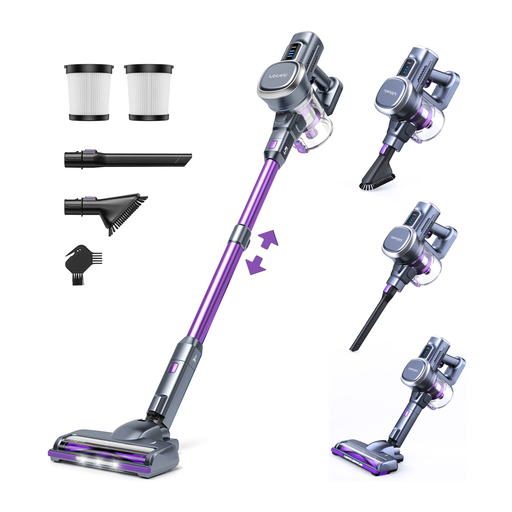 Image unavailable
Its freestanding design may suit you if you want to stand the vacuum up between cleans. The product details state that it has a removable battery and offers up to 50 minutes of battery life. Check how long it lasts in the mode you need for your floors before relying on this figure for your cleaning routine.
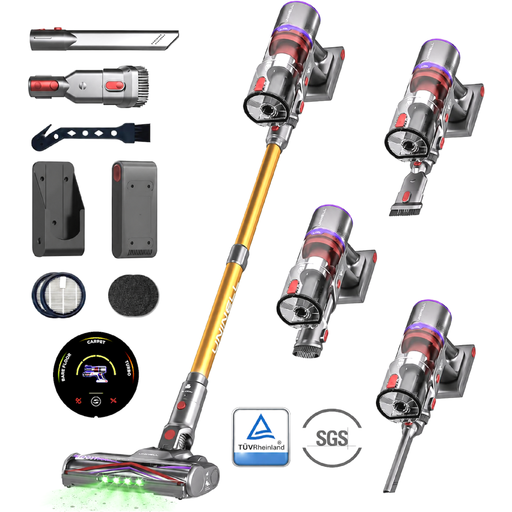 Image unavailable
The freestanding design can be handy if you need to pause during a quick clean. The product name states that it offers up to 65 minutes of battery life. Check which mode this figure applies to, and look at suction performance on your floor coverings.
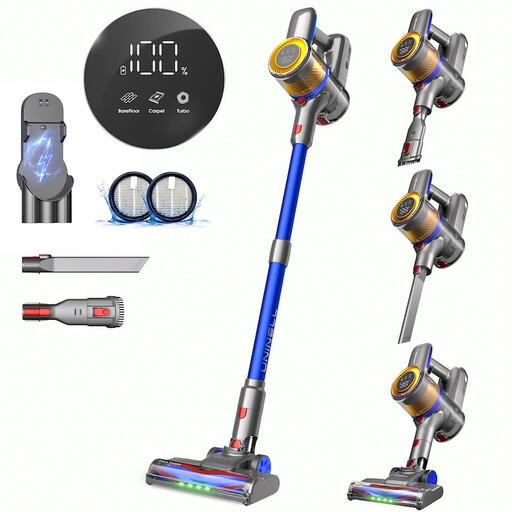 Image unavailable
This freestanding model with a removable battery is worth considering if being able to pause and put the vacuum away between cleans matters to you. Its name states that it offers up to 60 minutes of battery life. Compare this figure with the run time in the mode you’ll actually use, and check the weight in stick configuration.
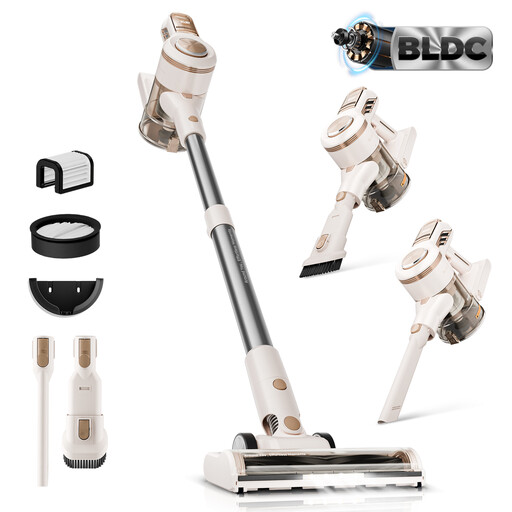 Image unavailable
Its two speeds let you choose a setting to suit the clean you have in mind, without making assumptions about how well it will work on each floor type. The battery is described as removable; check the run time in each mode and the storage dimensions if space is limited.
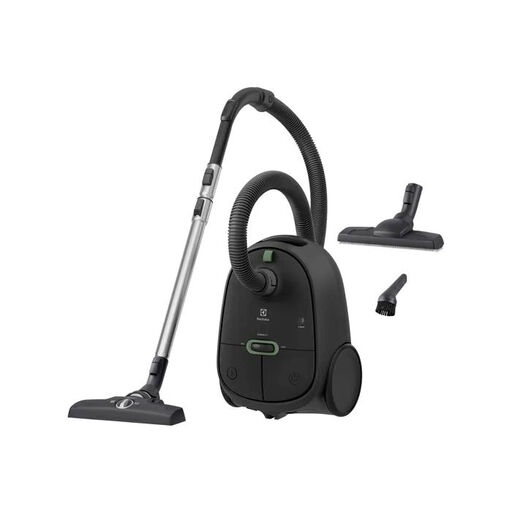 Image unavailable
This corded bagged cylinder vacuum is worth considering if you’d rather clean without recharging and replace a bag instead of emptying a container. Before choosing it for a small home, check how much space the main unit, hose and cable take up, and whether compatible bags are available.
There’s no one-size-fits-all answer: it depends on your cleaning routine, floors and the mode you need. Compare the stated battery life in that mode, rather than relying only on the maximum figure. According to UFC-Que Choisir, the stick vacuums tested last an average of around ten minutes at full power.
No. Electrical wattage alone doesn’t tell you how well a vacuum picks up dust. UFC-Que Choisir advises against choosing a cylinder vacuum based solely on this figure and assesses suction performance across different floor types. Look for results that match the floor coverings in your home.
A bagged model means you don’t have to empty an open dust container, which may suit you if that’s a priority. You’ll still need to replace the bags with compatible ones; with a bagless model, you’ll need to empty the container and maintain the filters.
It helps you compare how repairable specific models are, but doesn’t replace checking whether the parts you may need are available. In France, separate regulations cover this index for corded and cordless vacuum cleaners, according to information from the ministry responsible for the ecological transition and decrees published on Légifrance.