People who dry laundry in their living space
Without a balcony or utility room, you need to find a temporary spot for your clothes airer while making sure the room is well ventilated as damp laundry dries over several hours.


In a small home, keep using a clothes airer if you have a suitably spacious, well-ventilated room for it and are happy with how long the laundry takes to dry. If you do laundry frequently or the airer regularly gets in the way, consider a condenser tumble dryer that suits your available space. A dehumidifier can be used alongside an airer, but it does not ventilate your home.
Without a balcony or utility room, you need to find a temporary spot for your clothes airer while making sure the room is well ventilated as damp laundry dries over several hours.
If clothes, sheets and towels need to be ready to use again regularly, a tumble dryer's capacity matters just as much as where it will go, how you will deal with the water and what maintenance it needs.
You could consider a dehumidifier alongside it, provided the room is suitable and you can manage the water tank or drainage. It does not replace ventilation.
Start with the room and its ventilation, then consider how each appliance fits your laundry routine, available space and maintenance preferences.
Consider this if: you have a suitably spacious, well-ventilated room and can leave your laundry to dry without getting in the way.
Bear in mind: the airer takes up space while your laundry dries. ADEME notes that air-drying laundry releases moisture into the indoor air.
Consider this if: you dry laundry often and have a suitable spot for the appliance, without relying on an air vent to the outside.
Bear in mind: you will need to deal with the condensed water and follow the maintenance instructions in the manual. Check the programme times for the model you choose, too.
Consider this if: you plan to keep air-drying laundry in a suitable room and want to add an appliance to help manage humidity.
Bear in mind: your laundry will still need to dry on the airer, and the appliance needs electricity and a way to manage the collected water. It does not ventilate the room.
| Priority | What to check | Your needs |
|---|---|---|
| Room and ventilation | Check the available space and existing ventilation before setting up a clothes airer. A dehumidifier does not replace ventilation. | I need to dry laundry indoors without turning a small, enclosed room into a permanent drying space. ADEME highlights the extra moisture released by air-dried laundry. |
| Installation | Measure the space and check the clearances specified in the manual. If you are considering a vented tumble dryer, make sure there is a usable outlet to the outside; UFC-Que Choisir says this technology requires one. | I can't install an exhaust hose to the outside, so I need to look at a condenser dryer rather than assume a vented model will work for me. |
| Laundry loads and space | Compare the capacity in kg with your usual loads and check the programme times. If you use a clothes airer, make sure you have room for the laundry while it dries. | If I do several loads in a row, I want to know how much laundry can dry at once without blocking my living space. |
| Water and maintenance | Check whether there is a tank, whether direct drainage is possible and which accessories are included. Read the guidance on filters and, depending on the appliance, the condenser. | I’d rather plan for emptying the tank and regular maintenance before choosing between a tumble dryer and a dehumidifier. |
| Energy use and noise | When comparing tumble dryers, use energy figures measured on the same basis, and check the noise level and the programme they relate to. An annual figure and a per-cycle figure are not directly comparable. | Noise matters in a room near my living space. If I use the appliance often, I’ll also check its stated energy use. |
It removes water from the air but does not bring fresh air into your home. ADEME notes that air-dried laundry adds moisture indoors.
First, choose a room that is suitable for drying laundry and check its existing ventilation. If the ventilation seems inadequate, get that issue assessed separately from your choice of appliance.
According to UFC-Que Choisir, this technology requires a sufficiently large room and an opening to the outside.
Check the route for the hose in person and read the requirements in the manual. If that is not possible, consider a condenser model that suits the space.
A tank needs emptying; a hose or drainage kit requires an appliance and installation that are compatible.
Before buying, decide whether you will use the tank or direct drainage, then check compatibility and which accessories are actually included.
Tumble dryers can also differ in their stated energy use, noise levels and maintenance requirements. Bosch and Electrolux, for example, recommend regularly cleaning the filters on the relevant appliances.
Compare capacity, energy use on the same basis, the duration of the programme you need, noise level and the maintenance instructions for the specific model.
These models illustrate features to check on product pages and in manuals. A feature mentioned for one model does not necessarily apply to every product from the same brand.
A useful reference when checking the capacity and water management of a heat pump tumble dryer.
A useful reference for checking installation requirements and maintenance for a heat pump tumble dryer.
A useful reference when looking at a dehumidifier to use alongside a clothes airer, not as a substitute for ventilation.
A useful reference when comparing ways to collect or drain water from a heat pump tumble dryer.
This selection includes two tumble dryers for regular laundry and two dehumidifiers to consider alongside a clothes airer. Compare their features with your room and its ventilation before choosing.
 Image unavailable
If you do laundry regularly and don't have an air vent to the outside, consider this 8 kg heat pump tumble dryer. Before planning the installation, check the dimensions, clearances and drainage options in the manual. Also check the programme times and compare energy use on a like-for-like basis.
 Image unavailable
This 8 kg condenser model is worth considering if you want to dry regular loads without an external air vent. The product name mentions propane refrigerant and OptiSense. Before choosing this appliance, check the clearances, water management and programme times in the manual.
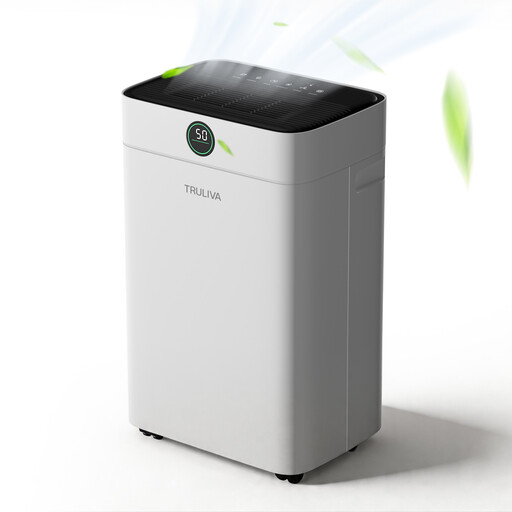 Image unavailable
Consider using this alongside a clothes airer in a properly ventilated room. The product name mentions a laundry-drying mode and a continuous drainage hose. Its stated capacity of 25 L/day depends on the test conditions and does not predict how long your laundry will take to dry at home. Also check the recommended room size.
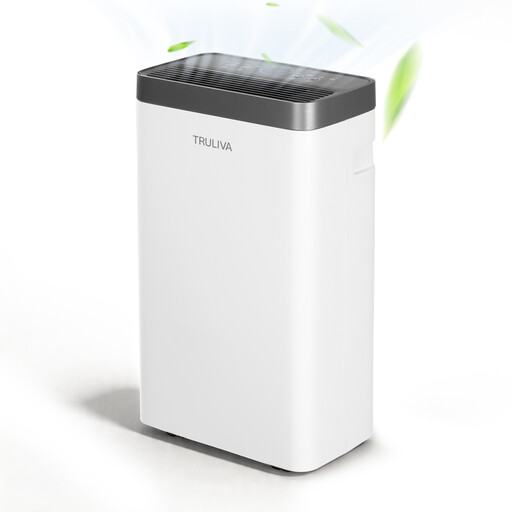 Image unavailable
This dehumidifier with a laundry-drying mode could be used alongside a clothes airer, but it does not replace room ventilation. Its name mentions a 24-hour timer, automatic defrost and continuous drainage. Check the humidity settings in the manual, along with the suitable room size and noise level for your needs.
No. It removes water from the air but does not bring in fresh air. If you dry laundry on an airer, choose a room with suitable space and ventilation for the job; ADEME highlights the extra moisture released by air-dried laundry.
You do for a vented tumble dryer: UFC-Que Choisir says this technology needs an opening to the outside. A condenser model collects the water in a tank or, if the model and installation allow, drains it through a water connection.
Measure the space and check the clearances specified in the model's manual. Then compare its capacity in kg with your usual loads, and check the noise level and how the condensed water will be collected or drained.
Follow the model's manual, particularly for the filter and, where accessible, the condenser. Electrolux says to clean the filter after every cycle on the relevant appliances; Bosch says to clean the fluff filter after every use.
Compare figures measured on the same basis, such as kWh per 100 cycles when both product specifications provide this, and take your usage frequency into account. Check the duration of the programme you are interested in separately. An annual energy figure cannot be directly converted into energy use per cycle without knowing the assumptions behind the calculation.