Living in a studio flat with limited space
A low or narrow appliance could suit your space constraints, but make sure you check its full dimensions, door clearance and the ventilation required for installation.


For a small kitchen, first choose a fridge that fits the available space: dimensions, door clearance and ventilation matter just as much as the advertised format. Then decide between a table-top fridge, a model with a freezer compartment or a built-in appliance, depending on how much room you need for fresh and frozen food. In a studio flat, compare the noise levels shown on the energy label too.
A low or narrow appliance could suit your space constraints, but make sure you check its full dimensions, door clearance and the ventilation required for installation.
If your shopping includes frozen food, check the fridge capacity and freezer compartment capacity separately. Also check the freezer’s star rating: having a freezer compartment doesn’t, on its own, tell you how much it can hold.
If your fridge is near the living or sleeping area, noise levels are worth considering as part of your comparison. The energy label shows the noise level in decibels and its noise class, as explained by the European Commission.
Start by measuring the space and deciding whether you need a freestanding or built-in appliance. Then compare the room you need for fresh food, whether you need to freeze food, and the information on the energy label.
| Criteria | What to check | Who it matters to |
|---|---|---|
| Space and installation | Measure the height, width and depth, then check the door clearance and the ventilation requirements in the model’s manual. A housing for a built-in appliance won’t necessarily suit a freestanding model. | I need to fit the appliance under a worktop without blocking the door or airflow; nearly 33% of consumers would make this their priority. |
| Capacity for fresh food | Compare the fridge capacity in litres separately from the total capacity, and consider the interior layout in relation to your usual shopping. | If I shop less often, I need enough room for fresh food between trips. Around 27% of consumers would put fresh-food capacity first. |
| Freezer compartment | Check its capacity in litres, its star rating and the defrosting information for the specific model. | I want to keep a few frozen items, but a very small compartment would limit what I can store; around 20% of consumers would prioritise this. |
| Noise and energy use | Compare the dB(A), noise class and annual energy consumption in kWh on the labels of appliances suited to the same needs. | If my kitchen is near the living area, I want to consider both noise and the stated energy consumption. This would be the main concern for around 20% of consumers. |
The advertised capacity may include both the fridge and freezer compartments. For example, Candy lists a total capacity of 106 L for the COT1S45EW, including 2.6 L for the freezer compartment.
Compare the capacity of each compartment with the food you actually plan to store in it.
A built-in appliance needs a suitable housing and airflow. Bosch and Electrolux explain these installation requirements for their appliances.
Measure the housing, then check the ventilation and door-panel fixing requirements in the manual for your chosen model.
If the housing or door panel isn’t compatible, you may need to choose another model or modify the unit.
The star rating doesn’t tell you how much space is available. A table-top fridge can have a very small freezer compartment, even if its freezing performance meets your needs.
Check both the star rating and the capacity in litres before planning to store frozen food.
In a studio flat or open-plan kitchen, your fridge may be close to the living area. The European Commission says the energy label includes noise emissions and their noise class.
Compare these details across models that already suit your space and storage needs.
These examples illustrate different configurations. The specifications relate to the models mentioned, not every appliance made by each brand.
According to Beko France, the TSE1284N table-top fridge combines 101 L of fridge capacity with a 4-star freezer compartment in an appliance that is 54 cm wide.
Liebherr describes the KTe551 as a table-top fridge measuring 85 × 55 × 60,7 cm, with a total capacity of 111 L and a stated noise level of 37 dB.
Bosch offers the KUL22VFD0, an integrated under-worktop model with 93 L of fridge capacity and a built-in freezer compartment.
Candy France lists the COT1S45EW as a freestanding table-top fridge with a total capacity of 106 L, including 2.6 L for freezing.
These models meet two different needs: fitting a fridge with a freezer compartment into a fitted kitchen, or choosing a compact appliance for a limited amount of shopping. Their capacities and installation types aren’t interchangeable.
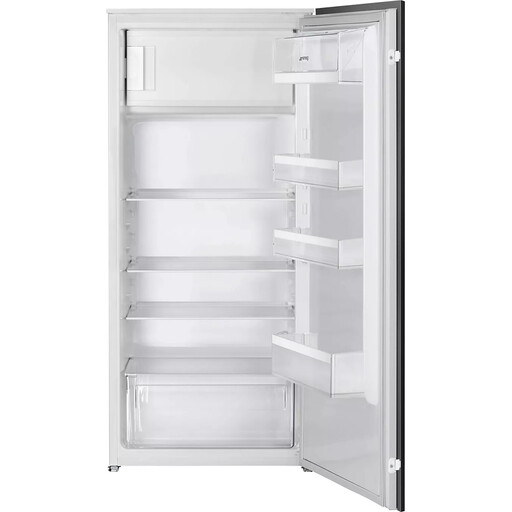 Image unavailable
Consider this if your kitchen has a compatible housing and you want to store fresh food as well as a few frozen items.
The title gives a capacity of 188 L, while the description states 208 L. Confirm the total capacity and how it’s split between compartments. Also check the housing dimensions, door-panel fixing and the freezer’s defrosting information.
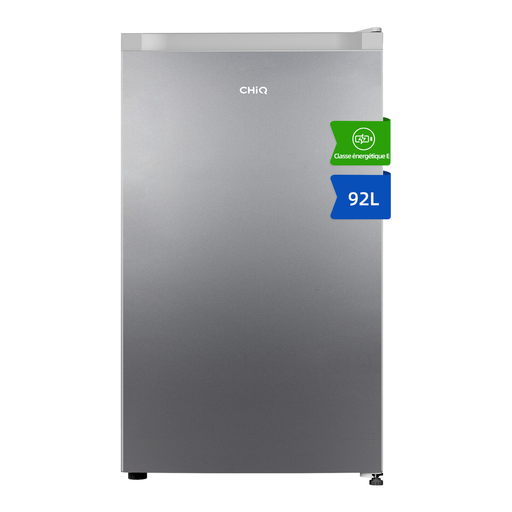 Image unavailable
Consider this for a limited amount of shopping if you’re looking for a single-door fridge with a freezer compartment.
The title states a capacity of 92 L and an energy rating of E. Before relying on the freezer for frozen food, check its capacity and star rating. Also check the full dimensions and noise level against the space you have in mind.
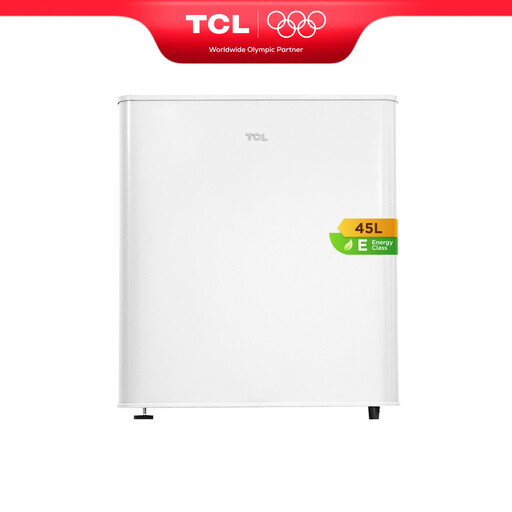 Image unavailable
This format is designed for very limited space and a small amount of shopping. Check that it can hold your everyday essentials.
The title states a capacity of 45 L and an energy rating of E. Don’t plan to store frozen food in its small compartment without confirming its star rating and temperature range. Also compare the dimensions and door clearance with your available space.
Yes. The European Commission says it shows information including energy consumption, storage volumes and noise emissions. Compare these details across appliances suited to similar needs and storage capacities, rather than relying on the energy rating alone.
Not without checking the installation requirements. Measure the housing and door clearance, then follow the ventilation instructions for the freestanding model. A housing designed for a built-in appliance doesn’t guarantee that air will circulate properly around a different type of fridge.
It may be suitable for a small amount of frozen food if its capacity meets your needs. The 4-star rating doesn’t tell you how much it holds, so check the available litres and the manufacturer’s information for the specific model.
Check the noise emissions in dB(A) and the noise class on the energy label, then compare them across appliances that suit your space. The stated noise level doesn’t mean you can ignore the installation and ventilation instructions for your chosen model.