
Livraison le jour même ou le lendemain

Qualité garantie

Débloquez vos offres de bienvenue: Livraison GRATUITE | Jusqu'à -80 % | 30 jours d'essai gratuits à JoyPlus
Téléchargez l'application
An interior design staple, the slatted wood wall panel has taken our homes by storm, adding an architectural touch and a sense of warmth. Whether it's used to dress up a living room wall, create a unique headboard, or define a space, its charm never fails to impress. But with an ever-expanding market, it's easy to fall into common traps that can turn a design dream into a costly disappointment. As the Head of Product Curation at Joybuy, my role is to help you navigate the options with clarity.
Before you commit, let's review the 3 most common mistakes when buying a slatted wood wall panel:
To ensure you make the right choice, here are the technical points you absolutely must check. These are the true guarantors of a product's quality and suitability for your project.
This is the heart of the matter.
The standard 240x60 wall panel format is designed for easy transport and handling. However, be sure to measure your wall height carefully. If it exceeds 240 cm, plan for how you'll finish the top of the wall (e.g., with a cornice or a painted band). For a slatted wood headboard, this height is generally more than sufficient. Also, consider the installation method:
The colour of your panel is more than just a detail. A dark wood decorative panel like walnut or smoked oak creates an intimate and sophisticated atmosphere, perfect for a living room wall panel or a bedroom. Conversely, light shades like natural oak or ash open up the space and boost brightness.
Every project has its perfect solution. Here are our recommendations, designed for different needs and DIY skill levels.
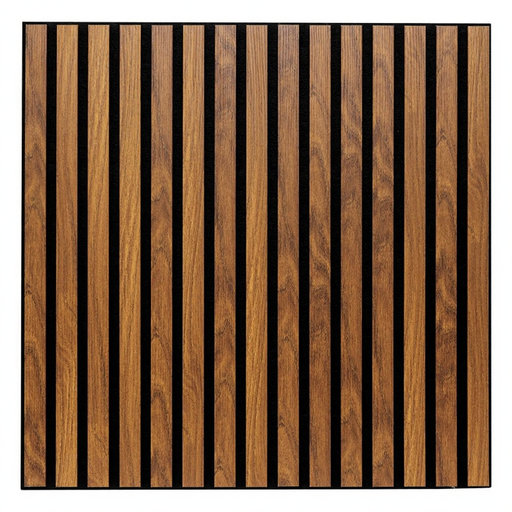
Why we love it: For those who want maximum visual impact. This panel is perfect for creating a spectacular feature wall in a living room or bedroom, bringing a depth and texture worthy of a professional design project.
Its 12.2 kg weight signals a dense, high-quality MDF, a far cry from the flimsy, lightweight panels that degrade in no time. It's built to last and avoids the trap of fragile finishes.
The vertical 240x60 cm format and dark wood finish create a stunning architectural effect, transforming a plain wall into the room's focal point.
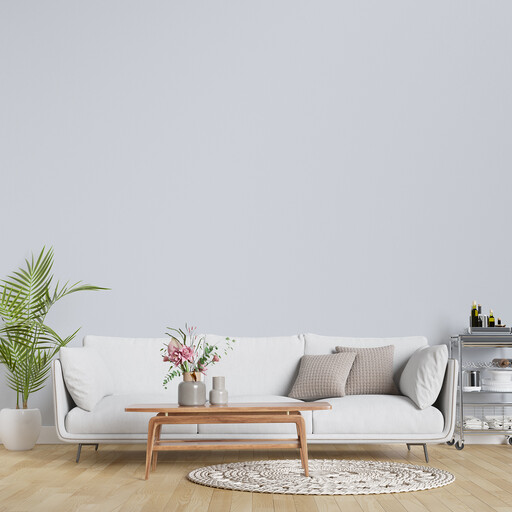
Why we love it: Love the idea of a textured wall but not the major work involved? This is the perfect solution for renters or for a quick makeover without breaking out the toolbox.
It bypasses the problem entirely. No weight, no drills, no dust, and no risk to your wall. It's a simple and honest solution: a quality adhesive wall covering.
The peel-and-stick installation is a breeze. Its subtle texture and light grey colour offer a modern, bright alternative to wood, without the commitment.
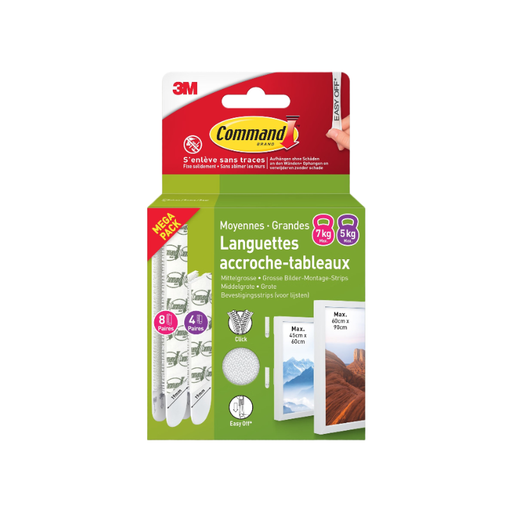
Why we love it: You've just installed your stunning slatted wall, and the thought of drilling into it makes you nervous? This is the essential accessory for decorating without regrets.
It solves the post-installation decorating headache. No more irreversible damage to your new slatted wood wall panel or your brand-new wallpaper.
A reliable hold (up to 7 kg) with no drilling, no holes, and no residue. You can hang, remove, and rearrange your frames as much as you like.
Wood brings warmth and structure. But for a touch of softness and originality, textile alternatives can also make a statement. Discover them to create unique atmospheres.
In theory, yes, but with precautions. On a load-bearing concrete or brick wall, there are no constraints. On a plasterboard partition (like drywall), caution is required: the panel's weight is the number one criterion. For heavy panels (over 10 kg), it is advisable to screw into the metal studs of the frame or use expansion anchors (like Molly bolts). In all cases, ensure the surface is clean, dry, and flat to prevent the panel from warping.
It depends on the scope of the project and your DIY skill level. Installing one or two panels for a slatted wood headboard is within reach for even a novice DIYer. However, for covering an entire wall, which often involves precise cuts for outlets and switches, or if the wall isn't perfectly straight, hiring a professional will guarantee a flawless finish and an installation done to professional standards.
It all depends on the quality of the materials. A high-density MDF panel with a durable veneer can last for many years without warping or fading, provided it is maintained with a dry or slightly damp cloth and no abrasive products. A solid wood model will require a little maintenance (oil, wax) to maintain its lustre, but it is built to last for decades. Steer clear of budget models covered with a simple paper film: their good looks often only last a few years.