
Livraison le jour même ou le lendemain

Qualité garantie

Débloquez vos offres de bienvenue: Livraison GRATUITE | Jusqu'à -80 % | 30 jours d'essai gratuits à JoyPlus
Téléchargez l'application
Dry, sensitive, irritated or blemish-prone skin: choosing skincare products isn’t about trusting a promise on the packaging. A pleasant texture might not suit reactive skin, while a product labelled as “natural” could still contain fragrance or essential oils.
To avoid disappointing purchases, take the time to check the ingredients, intended use and format before you fill your basket. Here are the key criteria to consider, followed by a selection tailored to different profiles.
Centella asiatica, aloe vera, niacinamide, urea and snail mucin are very common in Korean skincare and French cosmetics. Their presence tells you something about the formula, but it doesn’t guarantee the same result for everyone.
You also need to distinguish between a marketing claim and a generalisable observation. The results claimed by Mixa, for example, are based on a consumer test carried out with 55 subjects, according to information provided by the brand. They don’t, therefore, predict your own experience.
Organic cosmetics, vegan skincare and naturally derived formulas can meet very specific needs. However, some still contain fragrance, fragrant allergens or essential oils. Sensitive skin can therefore react to a formula that is certified or presented as gentle.
Always check the INCI list on the packaging of the product you receive. The composition can change, and the online listing cannot replace the label.
A watery face serum doesn’t necessarily replace a moisturiser. Similarly, a natural shower gel in a large format might be practical for the whole family, but less suitable for someone looking for a fragrance-free formula. For facial skincare, how it feels after application, how it wears under make-up and how often you use it matter just as much as the featured active ingredient.
For sensitive skin care, choose an ingredient list that’s easy to read and check for the presence of fragrance, denatured alcohol, essential oils or known allergens. A short formula isn’t automatically better, but it can make it easier to identify an ingredient you don’t tolerate well.
A few useful pointers:
A SPF50+ sunscreen must be applied generously to exposed areas and reapplied after swimming, heavy sweating or towel drying. SPF mainly relates to UVB protection; a broad-spectrum product should also cover UVA.
A lightweight texture can make daily application more pleasant, but it doesn’t replace limiting sun exposure or wearing protective clothing, a hat or sunglasses. Avoid the immediate eye area and stop using it if irritation occurs.
A 1-litre bottle is suitable for frequent use in the shower, while a 30ml serum is generally applied in small amounts. Before you buy, compare the net volume, the method of application and the likely duration of use.
For a simple routine, you can follow this order:
Introduce only one new product at a time and test it on a small area before your first full application.
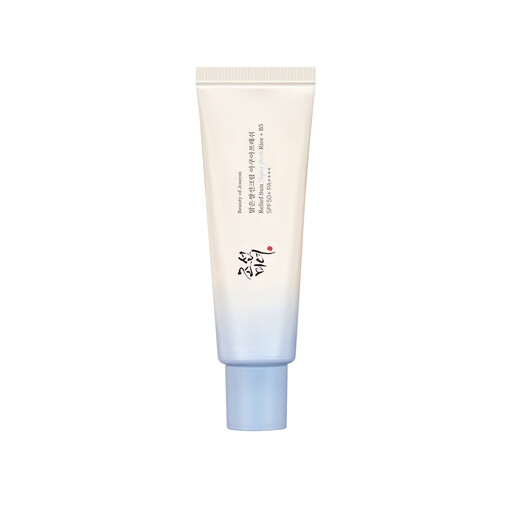
Why this choice suits this profile: Its lightweight texture and 50ml format make it a great starting point for a daily routine, especially under make-up.
The listing promises fast absorption, with no white cast or apparent oily finish. A good way to reduce the risk of giving up due to a texture that’s too rich.
SPF50+ PA++++, panthenol and rice seed water are mentioned in the product description.
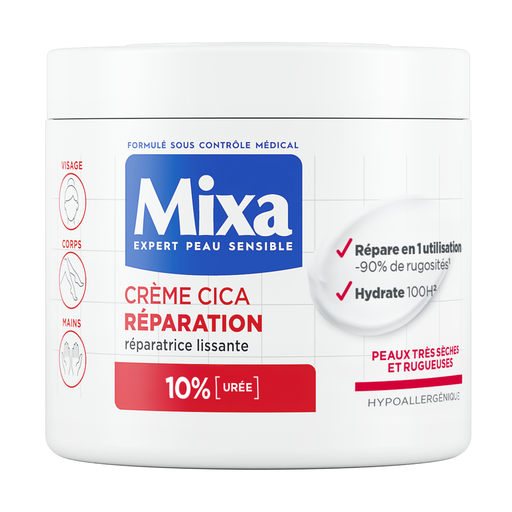
Why this choice suits this profile: With its 400ml size, this family-friendly format is ideal for people who regularly apply cream to dry areas of the body.
The listing details the ingredients, usage precautions and the presence of fragrance. You can therefore check its compatibility with your habits before buying.
The listed ingredients mention urea, glycerin, shea butter and niacinamide.
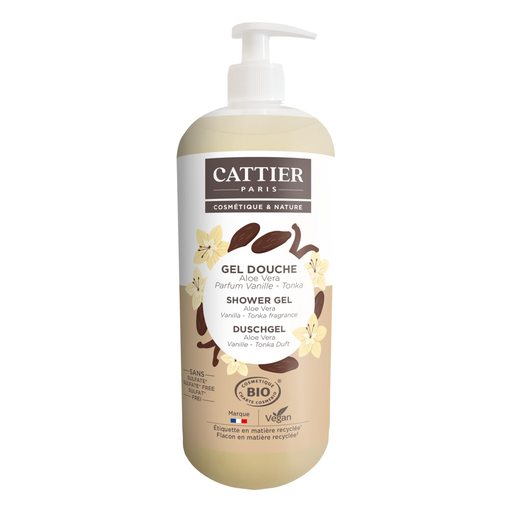
Why this choice suits this profile: Its 1-litre pump bottle is practical for daily use and avoids having to reorder the product too often.
The listing states “sulfate-free” and “soap-free”, but also mentions a fragrance and fragrant allergens. It’s up to you to check whether the formula suits your tolerance.
The listing claims 97% naturally derived ingredients and an organic certification indicated by the manufacturer.
We’ve put together a comprehensive, real-time updated selection of products that meet these exacting criteria as well as European safety standards.
Start with a gentle cleanser, a moisturiser and sun protection in the morning. You can then add a face serum or face essence if you’ve identified a specific need. This gradual approach makes it easier to spot any reaction.
Refer to the best-before date or the period after opening indicated on the packaging. If the smell, colour or texture changes, it’s best to stop using the product. Store your bottles away from heat and direct light.
No. These labels tell you about certain formulation or certification criteria, but they don’t guarantee individual tolerance. In particular, check for the presence of fragrance, essential oils and allergens, then do a patch test on a small area before full application.