
Livraison le jour même ou le lendemain

Qualité garantie

Débloquez vos offres de bienvenue: Livraison GRATUITE | Jusqu'à -80 % | 30 jours d'essai gratuits à JoyPlus
Téléchargez l'application
A beauty routine can quickly turn into a collection of bottles, masks and serums that aren’t always right for you. To choose skincare products that actually work, it’s best to look beyond the promises on the packaging and focus on the formula, how to use it, and whether it’s compatible with your skin type.
Three mistakes crop up time and again:
Start by pinpointing a priority: dehydration, excess sebum, discomfort, uneven skin tone or sun protection. Combination to oily skin will appreciate a gentle facial cleanser and a light serum, while dry skin often needs a moisturiser containing ingredients like glycerin, lipids or film-forming agents.
If your skin is reactive, keep it simple. A short routine and a sensitive skin product without fragrance can reduce the number of factors that might cause irritation, though it can’t guarantee you won’t have an individual reaction.
Ingredients are generally listed in descending order of concentration, with some regulatory exceptions for components present in tiny amounts. Look for active ingredients that match your goal:
Claims like “hypoallergenic”, “non-comedogenic” or “dermatologically tested” tell you about the product’s positioning or the brand’s testing protocol. They don’t replace reading the formula or doing a patch test.
A SPF 50 sunscreen must be applied generously and reapplied depending on exposure, especially after swimming, exercise, heavy sweating or towelling dry. SPF mainly covers UVB protection; also check the packaging for UVA protection.
Products containing exfoliating acids or retinal should be introduced with care. Do a patch test if your skin is sensitive, avoid irritated areas, and stop using the product if redness, itching or persistent discomfort occurs.
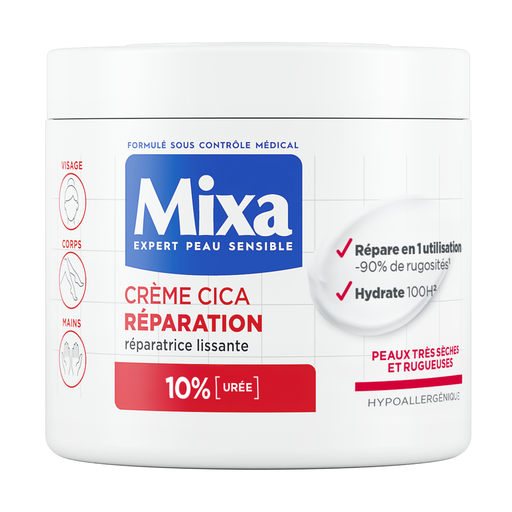
Why this suits this profile: Its large format is ideal for regular use on dry areas of the body and stops you from cluttering the bathroom with multiple products.
The formula relies on urea and glycerin rather than just a sensory promise. However, the presence of fragrance is worth noting for reactive skin.
A 400 ml format, urea and niacinamide in the formula, a reportedly lightweight texture, and a product marketed as hypoallergenic by the brand.
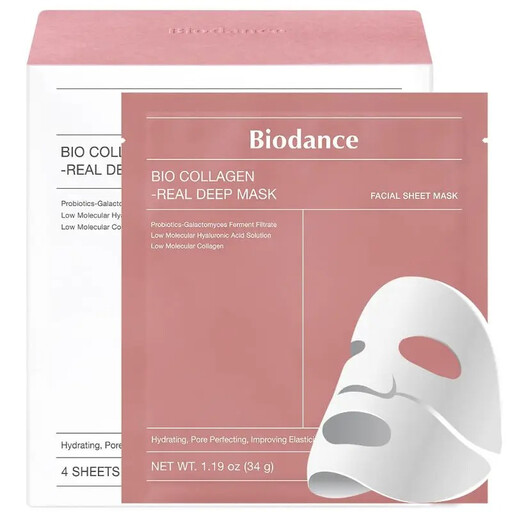
Why this suits this profile: This set of hydrating face masks is designed for a more advanced routine, to be used occasionally or as an overnight mask as per the product instructions.
The packaging clearly states four 34 g masks and the formula lists its ingredients. This makes it easier to compare this product with other masks, rather than being guided solely by anti-ageing buzzwords.
The composition includes hydrolysed collagen, hydrolysed hyaluronic acid and glycerin. The brand claims a hypoallergenic formula free from 19 controversial ingredients.
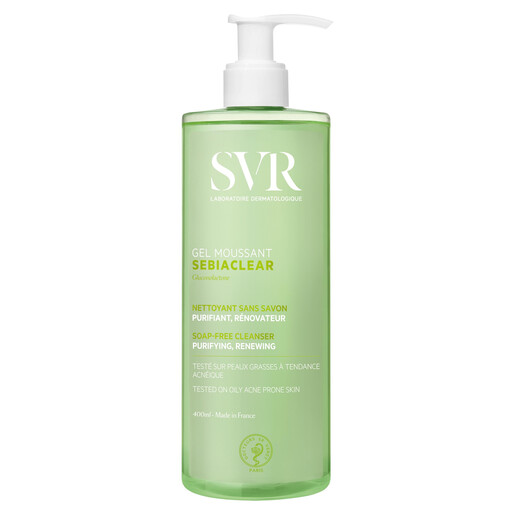
Why this suits this profile: With 400 ml and use on both face and body, it’s ideal for daily routines for combination to oily skin or skin prone to blemishes.
This is a soap-free wash-off cleansing gel, not a medical treatment. If your skin reacts easily, remember to check for fragrance.
The description mentions gluconolactone and Mat SR at 0.5%, combined with a cleansing base intended for face and body.
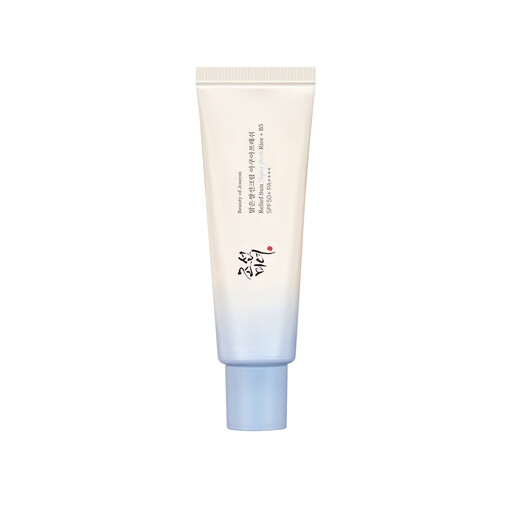
Why this suits this profile: Its reportedly lightweight lotion texture can easily fit into a Korean skincare routine, before make-up, without adding a multitude of steps.
The SPF50+ rating and PA++++ claim are on the product page. However, you still need to apply the product generously and reapply protection, rather than relying on a single application.
The composition includes rice water, panthenol and ceramide NP. The product page claims a texture with no white cast or greasy finish.
We’ve put together a comprehensive, real-time selection of products that meet these strict criteria as well as European safety regulations.
A basic routine can follow this order:
Hydrating face masks remain supplementary treatments. For blemish treatments, exfoliating pads or retinal formulas, space out applications and avoid combining them on the same evening.
Three or four products are usually enough: a cleanser, a moisturiser, a sunscreen and, optionally, a targeted serum. Masks, anti-ageing treatments and exfoliants can wait until the basic routine is well tolerated.
Read the INCI list, check for fragrance, alcohol and exfoliating actives, then do a patch test. Never apply a product to irritated or broken skin. If a reaction persists, seek advice from a healthcare professional.
Follow the open-jar symbol, the expiry date and the instructions on the packaging. Close products carefully, store them away from heat and light, and avoid sharing applicators. Whether it’s a women’s perfume, a facial treatment or a foundation, any change in smell, colour or texture should be a warning sign.