
Livraison le jour même ou le lendemain

Qualité garantie

Débloquez vos offres de bienvenue: Livraison GRATUITE | Jusqu'à -80 % | 30 jours d'essai gratuits à JoyPlus
Téléchargez l'application
A beauty routine can quickly turn into a collection of half-used bottles. Between the promises of “perfect skin”, the ingredient concentrations displayed without explanation, and the sets that sometimes bundle incompatible products, it pays to be a little methodical before buying skincare products.
Here are the most common pitfalls:
For facial skincare, texture directly affects comfort and how consistently you’ll use the product. Oily or combination skin will usually prefer a hydrating gel or a fluid serum. Dry skin, on the other hand, will lean towards a richer cream containing ingredients like glycerin, ceramides, oils or shea butter.
If you experience redness or tightness, also check for fragrance, denatured alcohol and essential oils. That doesn’t mean a fragranced formula won’t work for anyone, but these ingredients deserve extra attention when you’re looking for products for sensitive skin.
A facial cleanser is generally applied first. Then, depending on your needs, comes a face toner or lotion, followed by a serum and a moisturiser. In the morning, SPF50 sunscreen finishes your facial skincare routine.
A few useful pointers:
Introducing only one new product at a time makes it easier to identify any reaction. Before the first application, doing a patch test on a small area of skin is always a sensible precaution.
Choose a size that suits how you plan to use it. A 400 ml bottle can work well for daily use on both face and body, whereas a 30 ml serum is typically designed for targeted application.
Always check the use-by date, batch number and storage conditions stated on the packaging. Keep your products away from heat and direct light. Close pots and packets of soaked pads carefully to prevent them drying out or becoming contaminated.
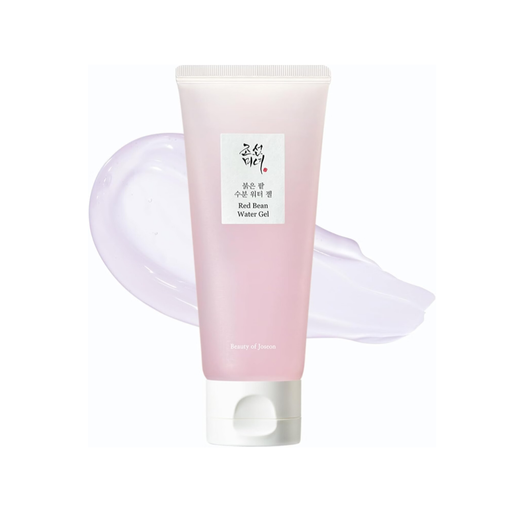
Why this choice suits this profile: its 100 ml size and lightweight gel texture let you start a hydrating routine without stockpiling products. The formula is stated to be alcohol-free and fragrance-free.
It stops you reaching for a very rich cream when your skin prefers a light, non-greasy feel. The absence of fragrance can also reduce potential sources of discomfort for some users.
44% red bean extract stated, three types of peptides and a generous 100 ml size.
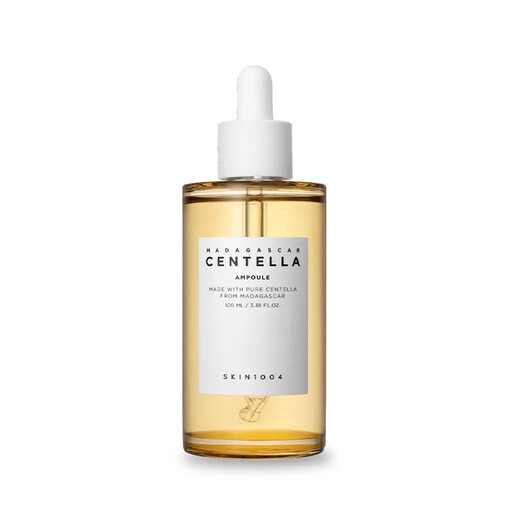
Why this choice suits this profile: this 100 ml ampoule fits easily into a Korean skincare routine focused on soothing and hydration. Its texture allows you to introduce it gradually.
The formula clearly focuses on Centella Asiatica extract, rather than a long list of exfoliating actives to introduce all at once.
Centella Asiatica extract listed first in the ingredients, with glycerin, panthenol, hyaluronic acid and ceramide NP.
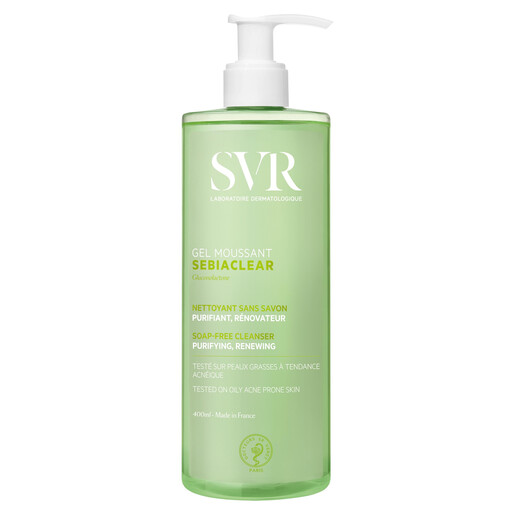
Why this choice suits this profile: its large size and the fact it can be used on both face and body make it a practical cleanser for daily routines.
Its soap-free formula lets you keep daily cleansing separate from a more concentrated exfoliating treatment. However, it does contain fragrance, something to bear in mind if your skin reacts easily.
A 400 ml size, with gluconolactone and 0.5% Mat SR stated in the product description.
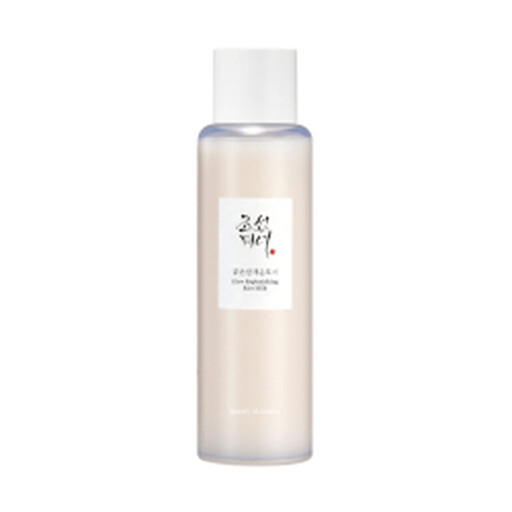
Why this choice suits this profile: its milky, lightweight texture applies easily after cleansing, especially when your skin feels tight or uncomfortable.
It can replace several layers of very liquid lotions, with the option to reapply in two or three layers depending on the level of comfort you’re after.
68% rice extract stated, with panthenol, hyaluronic acid and ceramide NP, all in a fragrance-free formula.
A daily routine doesn’t need to take forever:
For anti-acne treatments and exfoliants, avoid starting with several active products at once. If a problem persists, becomes painful or is accompanied by significant irritation, seek advice from a healthcare professional.
We’ve put together a comprehensive, real-time updated list of products that meet these strict selection criteria and European safety regulations.
Three steps are usually enough: a cleanser, a moisturiser and a morning sunscreen. You can then add a serum or mask, depending on your needs and your skin’s tolerance.
It depends on its volume, how much you apply and how often you use it. Once opened, the product should be used within the period stated on its packaging. If the smell, colour or texture changes, it’s best to stop using it.
Yes, these products can absolutely sit together in the same routine. The key is to keep a consistent structure: gentle cleanser, hydration, gradually introduced active ingredients and a morning sunscreen. Check the ingredient lists to avoid duplicates and combinations that might not be well tolerated.