
Livraison le jour même ou le lendemain

Qualité garantie

Débloquez vos offres de bienvenue: Livraison GRATUITE | Jusqu'à -80 % | 30 jours d'essai gratuits à JoyPlus
Téléchargez l'application
Preparing for a day on the slopes involves more than simply choosing a pair of skis. Poorly fitting equipment can quickly become uncomfortable, absorb moisture or prove unusable after just a few outings. Helmets, gloves, socks, goggles and thermal clothing all play a practical role in comfort and protection, for adults and children alike.
However, some marketing claims deserve closer examination.
Expressions such as “maximum protection”, “ultra-resistant” or “all conditions” are not enough on their own to distinguish between two products. For a MIPS ski helmet, check instead for a clearly stated certification, the size range and the adjustment system. For waterproof ski mittens, look at the membrane, insulation and care instructions.
A helmet that is too large may move around, while one that is too tight can quickly become uncomfortable to wear after a few hours. Gloves should allow a little freedom of movement, without awkward creasing around the fingers. An anti-fog ski goggle must also be compatible with the helmet and fit the face properly, without a significant gap at the sides.
A removable lining, a hand-washable fabric or wax that can be applied without an iron can make life much easier over the course of several outings. Equipment that dries poorly retains moisture and odours. Before placing your order, take the time to check the washing, drying and storage instructions.
A helmet designed for skiing or snowboarding should display a marking and regulatory reference appropriate to its intended use. The OutdoorMaster Diamond II MIPS Ski Helmet White S lists ASTM F2040 and CE EN 1077 certifications. It is stated to fit head circumferences of 51 to 54 cm and features an adjustment dial, adjustable straps and a removable lining.
MIPS technology is presented as a system designed to manage certain movements during an impact. It does not replace careful adjustment or sensible riding. No helmet can protect against every type of impact. Replace it after a significant impact or if you notice any visible damage.
For your hands, compare in particular:
Mittens are often warmer than five-finger gloves because the fingers remain together. They are particularly suitable for cold days, but offer less precision when adjusting a binding or handling a phone. For children, a leash and a long cuff are especially useful details.
Merino wool ski socks should be thin enough not to compress your foot inside the boot. The model offered by OutdoorMaster contains 30% merino wool, with compression zones, targeted reinforcements and a non-slip cuff. Merino wool can help regulate moisture and odours, but you still need to dry your socks thoroughly after every use.
Double-lens goggles with anti-fog treatment and ventilation can improve visibility. The Falcon model comes with a main lens offering 27% visible light transmission and a yellow lens offering 91%. These values correspond to different lighting conditions; they do not guarantee perfect visibility in every type of weather. Clean the inner surface carefully to avoid damaging the treatment.
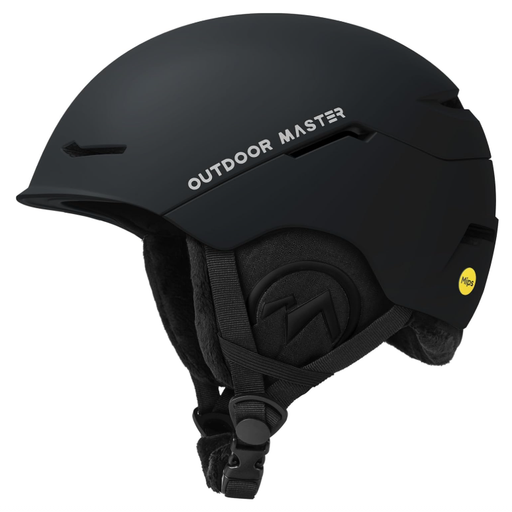
Why this choice suits this profile : this helmet combines an adjustment dial, a removable lining and eight ventilation openings in a design suited to skiing, snowboarding and even ice skating.
The size and adjustment system are clearly stated and should be checked before purchase, reducing the risk of the helmet moving during a descent.
Advertised MIPS technology, eight vents, adjustment dial and removable lining.
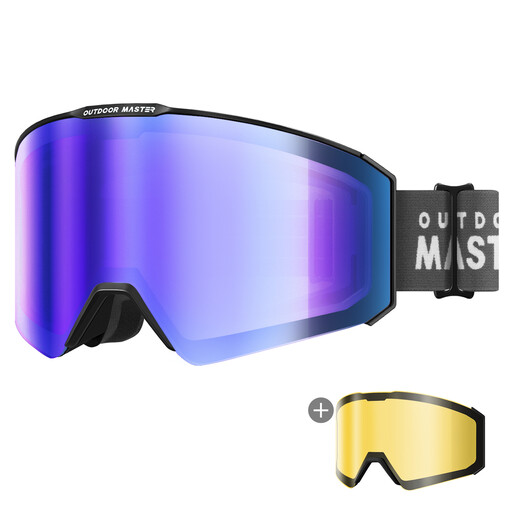
Why this choice suits this profile : the magnetic double lens lets you adapt the tint to the light conditions, while the OTG design leaves room for prescription glasses.
The stated VLT values provide a practical guide when choosing between the main lens and the yellow lens, rather than relying on a vague promise.
Double lens, anti-fog treatment, anti-scratch treatment, UV400 protection and magnetic lens change.
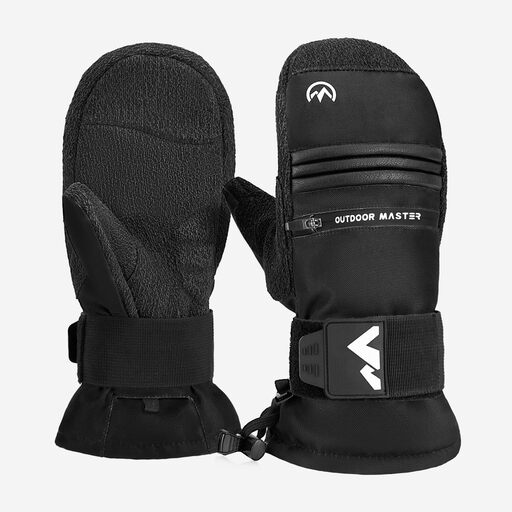
Why this choice suits this profile : regular users can opt for a mitten with insulation, a water-resistant membrane and reinforcements designed for repeated winter activities.
The product details specify the 3M and KEVLAR composition, insulation and bleach-free care instructions, allowing for a fact-based comparison.
Thermal insulation, advertised waterproof and windproof design, KEVLAR material reinforcement.
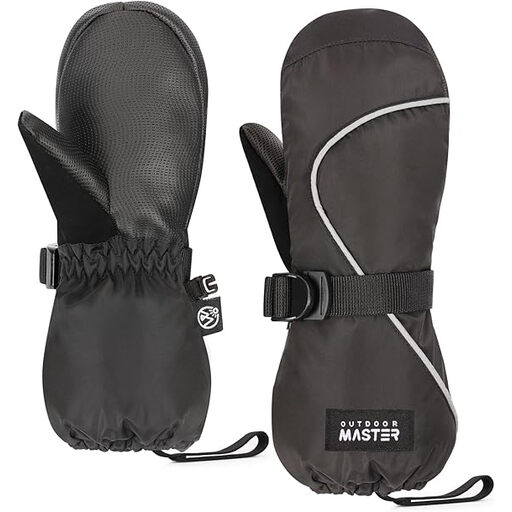
Why this choice suits this profile : this model, advertised for children aged 10 to 12, features a wrist fastening, a long cuff, leashes and reflective strips.
The size, hand-washing instructions and anti-loss systems are clearly specified, so you cannot rely on appearance alone.
Advertised 120 g insulation, water-resistant TPU inserts, non-slip palm and leash.
We have put together a complete, real-time selection of products that meet these demanding criteria and European safety requirements.
A well-planned ski outfit also includes a few items that are often overlooked:
It all depends on whether you rent or buy the equipment, how often you go skiing and how many people you need to equip. To keep costs under control, start with the items directly linked to safety and comfort: helmet, gloves, goggles, socks and thermal layers. Preparation accessories can be added later.
Replace it after a significant impact, even if there is no visible crack. Do the same as soon as an adjustment component, strap or the shell is damaged. A helmet must remain securely fastened and properly suited to the wearer’s head circumference.
Choose ventilated goggles that are compatible with your helmet. Avoid rubbing the inside of the lens with a wet glove. After your outing, leave the goggles to dry at room temperature in their case, away from a radiator, to help preserve their surface treatments.