
Livraison le jour même ou le lendemain

Qualité garantie

Débloquez vos offres de bienvenue: Livraison GRATUITE | Jusqu'à -80 % | 30 jours d'essai gratuits à JoyPlus
Téléchargez l'application
Bending, pulling, struggling... Putting on your shoes can quickly become a chore. Whether due to a lack of time, limited mobility, or simply for pure convenience, slip-on shoes are the obvious solution. This is precisely the promise of the Skechers Slip-Ins range and its Hands Free technology.
This guide breaks down the advantages of these effortless slip-on trainers. Our goal: to help you find the perfect pair for your daily life by analysing cushioning, intended use, and ease of care.
To ensure you make the right choice, three criteria need to be examined closely. They will guarantee you find a pair perfectly suited to your lifestyle.
Comfort is subjective, but support is technical. Skechers Slip-Ins offer several levels of cushioning:
A good comfortable men's shoe must, above all, be suited to your activity.
Convenience isn't just about putting on shoes hands-free. Some models are designed as machine-washable shoes, a real bonus for keeping them looking pristine effortlessly. Just remember to check the manufacturer's instructions before the first wash.
We have selected three flagship models from the Skechers Slip-Ins collection, each tailored for a specific user profile.
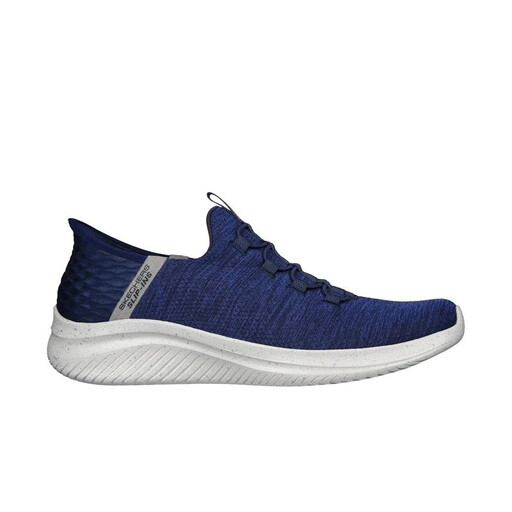
Why It Stands Out
The Ultra Flex 3.0 is the Swiss Army knife of the range. Its Stretch Fit engineered mesh upper wraps the foot like a sock, offering incredible flexibility for daily wear. With its understated design and feather-light weight, it's the perfect shoe for those who refuse to choose between style and convenience.
Key Features
Who Is It For?
For the active man looking for a do-it-all shoe: for the office, running errands, or weekend strolls. Its lightness and flexibility make it a discreet and highly effective ally.
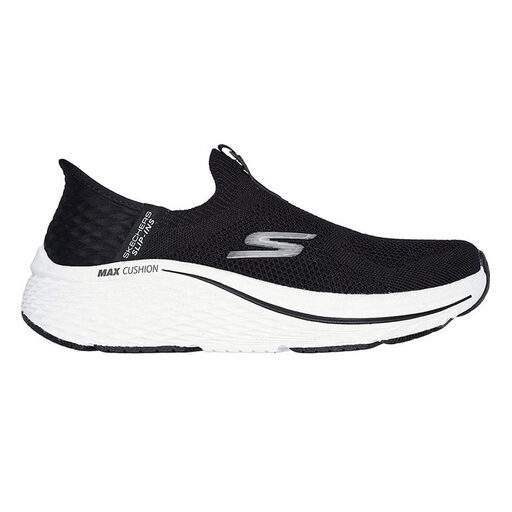
Why It Stands Out
As its name suggests, the Max Cushioning Elite 2.0 goes all-in on cushioning. Thanks to its lightweight and responsive ULTRA GO platform, it provides exceptional comfort and support, even after long hours. Its Natural Rocker Technology (NRT) promotes a smooth foot motion to reduce fatigue when walking.
Key Features
Who Is It For?
Ideal for professionals who spend their days on their feet (healthcare, hospitality, retail), people seeking better joint support, or simply fans of maximum cushioning for their long walks.
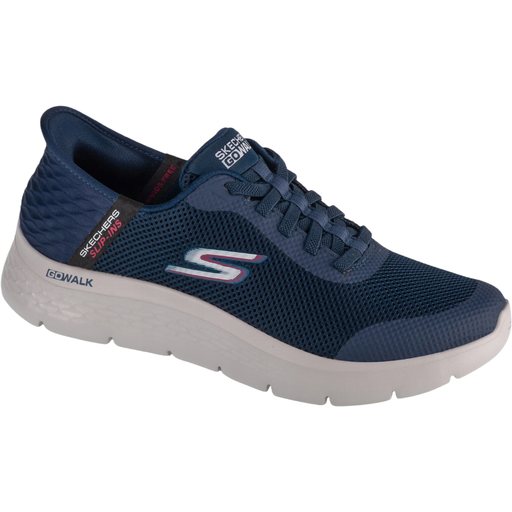
Why It Stands Out
The Go Walk Flex is designed for walking and light activities. It merges the convenience of Slip-Ins with the technical features of the GO WALK range. Its outsole is equipped with Flex Pillars, flexible traction pillars that adjust to every step to ensure grip and stability, even during cross-training activities.
Key Features
Who Is It For?
For regular walkers and athletes who want a high-performance, comfortable, and easy-to-wear shoe for their light workouts or daily strolls. It's the top choice if you're looking for great walking shoes.
Has our selection given you some ideas, but you want to see more? Explore our complete collection of comfortable men's shoes. You'll discover a multitude of styles and technologies to find the pair that's truly right for you.
Discover all our everyday flat-heeled trainers
It's a clever combination of two elements. On one side, a moulded, rigid heel counter guides your foot so it slides in without the shoe collapsing. On the other, the exclusive Heel Pillow comfortably and firmly holds your heel in place once your foot is inside. The result: you can put on your shoes hands-free, without even needing a shoehorn.
Absolutely. Several models are even designed specifically for it. For long-distance walking, we recommend looking at the SKECHERS GO WALK Flex or Max Cushioning Elite models. Their cushioning (ULTRA GO) and foot-roll assistance (Natural Rocker Technology) technologies are specifically designed to ensure long-lasting comfort and support.
It all depends on the model. The good news is that many pairs, like the Max Cushioning Elite 2.0 and the Go Walk Flex, are machine washable. Our advice: use a gentle cold cycle, then air dry. For other models like the Ultra Flex 3.0, simple spot cleaning with a damp cloth and a little mild soap is sufficient. In any case, the best practice is to always check the label for the manufacturer's specific instructions.