People keeping track of the carbohydrates in their meals
If you're comparing plain recipes with those in sauce, the ‘carbohydrate’ and ‘of which sugars’ figures can help you choose a tin to fit in with the rest of your meal.


For diabetes-related shopping, start with the recipe you want to eat, then compare the carbohydrate, sugar and salt values on the same nutritional basis. A tin of sardines in water makes it easier to compare ingredients, but a tomato recipe or boneless version may suit your preferences too. Check the values for the specific product and its drained weight rather than relying on the name alone.
If you're comparing plain recipes with those in sauce, the ‘carbohydrate’ and ‘of which sugars’ figures can help you choose a tin to fit in with the rest of your meal.
Two tins of sardines in water can have different salt levels. It's worth checking this even if both recipes are low in carbohydrates.
A small tin, fillets or boneless sardines may suit your preferred size or texture. The drained weight shows how many sardines the tin contains.
When choosing a single-serve tin, start by comparing the recipe and its nutritional values, then look at the quantity of sardines and the style that suits you.
| What to compare | What to check | Who is it for? |
|---|---|---|
| Carbohydrates and sugars | Check ‘carbohydrate’ and ‘of which sugars’ per 100 g, especially if the recipe contains a sauce. | If I'm planning to have sardines in tomato sauce, I want to know the carbohydrate content of that recipe so I can plan my meal. Around 33% of consumers prioritise this. |
| Salt | Compare the ‘salt’ figure on the same weight basis, and take the amount you plan to eat into account. | A recipe I like may contain more salt than another, so I want to be able to compare them. This is the top priority for around 27% of consumers. |
| Size and portion | Check the net drained weight and the storage instructions after opening. | For an individual meal, I'm looking for an amount I can use without leaving an opened tin. Around 27% of consumers prioritise this convenient format above all else. |
| Bones and texture | Check whether the tin contains fillets or sardines labelled as boneless. | If bones bother me, the style matters more than the recipe itself. This is the main consideration for around 13% of consumers. |
Product information from Saupiquet, E.Leclerc and Auchan shows that salt levels vary between their sardines in water. The recipe name also doesn't determine the portion size.
Compare the values per 100 g on the same basis, then check the drained weight of the tin you're considering.
Connétable's tomato recipe with no added oil contains 1.6 g of carbohydrates, of which 1.0 g are sugars, per 100 g. These figures apply to this recipe, not all sardines in tomato sauce.
Check the ingredients and nutritional values on the specific tin you're considering.
The product information for Connétable's boneless sardines in water lists 0.9 g of salt per 100 g, while E.Leclerc lists 0.6 g per 100 g for its Pêche Océan sardines in water. The style and salt content are two separate things to consider.
Choose the texture you prefer, then compare the salt content and quantity of sardines separately.
A recall published by RappelConso in January 2026 concerned a specific tin of sardines in olive oil, not all tinned sardines.
Keep the batch and date details until you've eaten the product. If there's a recall, check your tin's identifying details against the instructions from RappelConso.
The brand offers sardine fillets in water, among other products.
Its range lets you compare a tomato recipe with no added oil and boneless sardines in water.
Carrefour offers a tin of sardines in water with a net drained weight of 95 g.
E.Leclerc offers whole sardines in water in a 95 g tin.
The retailer offers whole sardines and fillets in water, two styles worth comparing.
These tins include a boneless option in water and several recipes in oil or in fillet form. For your shop, first choose the recipe and style you want, then check the drained weight and the nutritional values relevant to your meal on each tin.
 Image unavailable
Worth considering if you prefer sardines labelled as boneless. The stated pack size is 98 g; check the drained weight and the basis used for the nutritional values on the tin.
 Image unavailable
An option if you're looking for a recipe in extra virgin olive oil rather than sardines in water. The stated pack size is 135 g; check the drained weight if you plan to use the whole tin for one meal.
 Image unavailable
Worth a look if you prefer sardine fillets in olive oil. The title gives the weights as 115/81 g; check the packaging to see what each figure refers to before comparing portions.
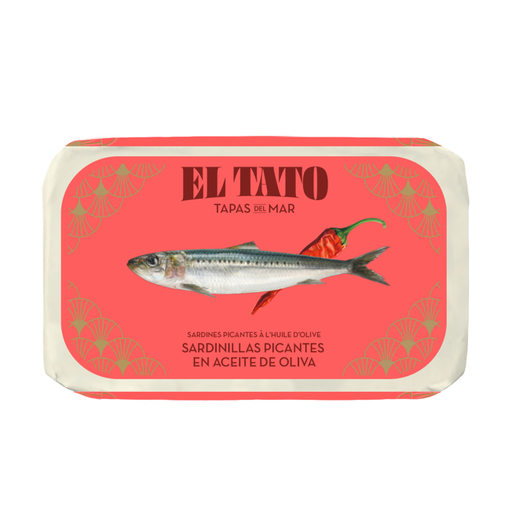 Image unavailable
For anyone looking for small sardines in olive oil and chilli. The 16/20u and 115/81 g details identify this variant; check the drained weight on the tin.
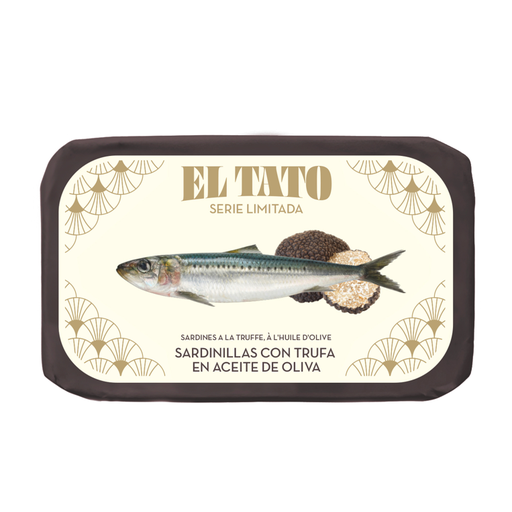 Image unavailable
Another recipe for small sardines in olive oil, flavoured with truffle. The title gives the details as 16/20 and 115/81 g; check what these mean and read the ingredients on the packaging.
Compare the carbohydrates and sugars in the recipe you've chosen, then check the salt and the amount you plan to eat. Nutritional values for sardines in water don't automatically apply to a version in sauce. These details can help you read the label, but they aren't intended to prescribe a personal diet.
First, make sure the values are given on the same basis, for example per 100 g, and check whether they apply to the drained or undrained product. Then look at the net drained weight to relate the figures to the amount of sardines you'll use.
Follow the storage instructions on the tin you've bought. For its fillets in water, Saupiquet says to refrigerate them after opening and eat them within two days; instructions may differ for another product.
Check that the brand, batch and other identifying details on your tin match those listed by RappelConso exactly, then follow the recall instructions. If the advice is not to eat the product, don't consume it.