What should you check before choosing?
First, distinguish between the tin you’re looking for, ready-to-heat soup in a carton and a sachet that needs reconstituting. Then compare the serving size, preparation method and exact recipe for your Sunday menu.
| What to consider |
What to check |
Who it matters to |
| Packaging type |
Check whether the product comes in a tin, carton, sachet or cup, and how it needs to be prepared. |
If I’m looking for soup in a tin, a single-serve carton won’t meet my packaging preference. Around 29% of consumers would prioritise this. |
| Serving size |
Compare the net or prepared volume and the stated number of servings, depending on whether the soup will be a starter or another part of the meal. |
To serve exactly the number of bowls I’ve planned without opening a large container, I need to know how much soup I’ll actually get. This would be the main criterion for around 29% of consumers. |
| Preparation |
Check whether the soup needs heating or water added, and follow the instructions for that specific recipe. |
When I’m entertaining on a Sunday, I want to choose between soup that needs heating and a cup soup, depending on the time and equipment I have. Around 24% of consumers would prioritise this. |
| Ingredients |
Check the ingredients, allergens and nutritional information. For sachets, compare the salt content per prepared serving. |
If an ingredient, allergen or salt content determines my choice, I need to check the exact recipe. Around 18% of consumers would put this first. |
Single-serve soups available on Joybuy
These products show three ways to plan a small soup for Sunday lunch: two separate cartons of ready-to-heat soup, sachets to reconstitute or a cup to prepare with water. None of these three formats is a tin.
 Image unavailable
Liebig 12 Vegetable Soup, 2 × 30 cl
The two 30 cl cartons let you plan two separate servings, for example as a light starter. Check the preparation instructions for this product; this format isn’t a tin.
View on Joybuy
 Image unavailable
Royco Carrot and Mushroom Noodle Soup, 3 × 20 cl
The three sachets are individual portions to reconstitute, making them a good choice if you prefer to prepare soup just before serving. Follow the water instructions for this recipe rather than those for another Royco sachet. This isn’t ready-to-heat soup or a tin.
View on Joybuy
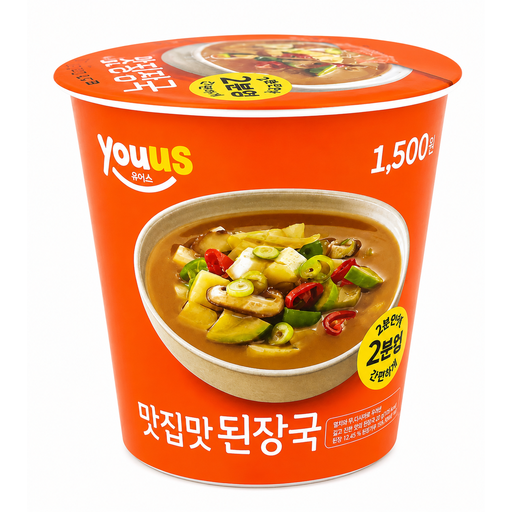 Image unavailable
GS Youus Doenjang Soybean Soup in a cup, 11 g
This 11 g individual cup could work as a small soup to accompany your meal. Check the fill line and the volume it makes before planning it as a serving; it isn’t a tin.
View on Joybuy
Frequently asked questions
Is 30 or 36 cl of soup enough for Sunday lunch?
These volumes may be suitable for an individual serving or a starter, but they don’t determine what else makes up the meal. Check the stated number of servings and decide how soup fits into your menu.
What’s the difference between an individual carton and a Royco sachet?
A carton contains ready-to-heat soup, while an instant sachet needs to be reconstituted. Monoprix Courses says its 36 cl Liebig tomato velouté can be heated in a saucepan or microwave. For its Royco vegetable and vermicelli soup, Auchan says to add 200 ml of boiling water per sachet and leave it to stand for two minutes. Follow the instructions for the product you choose.
What should you look for on a prepacked soup label?
Check the net quantity, ingredients, allergens, nutritional information and date shown on the product. The DGCCRF outlines the labelling rules for prepacked foods. If a Nutri-Score is displayed, also check the information for the specific recipe, particularly its salt content and allergens.
Can you eat soup from a tin that’s bulging or rusty?
Don’t eat the contents if you have any doubts. The DGCCRF warns that bulging, rust or dents can be signs that the product has spoiled.
How long can you keep ready-to-heat soup after opening?
Follow the storage instructions and use-by guidance for the product you’ve bought. For the Liebig PurSoup’ carton listed by Monoprix Courses, the manufacturer says to refrigerate it and use it within 48 h of opening. This guidance doesn’t automatically apply to other soups.


