Student living alone with a small freezer
A single-serve dessert means you don’t have to find room for a large box. A small box may also work if any remaining pieces can be kept in the freezer as directed on the packaging.


When moving into student accommodation, choose a single-serve dessert if you want to avoid leftovers, or a small box of individually wrapped portions if you have enough room to store them. A dessert that needs cooking means checking what appliances your accommodation has. Whatever format you choose, check the ingredients, storage instructions and how to keep it frozen in transit before buying.
A single-serve dessert means you don’t have to find room for a large box. A small box may also work if any remaining pieces can be kept in the freezer as directed on the packaging.
The net weight and number of pieces help you tell the difference between a single portion and a pack intended for several occasions. Check how much you’ll be able to store and eat.
A box containing several pieces lets you serve everyone without having to cut up a large dessert. Check the number and size of the portions before choosing a pack.
Start by deciding whether you want a single portion or several desserts to keep in the freezer. Then check the preparation and storage requirements for the specific product.
| What to check | Things to look for | Who this matters to |
|---|---|---|
| Number of portions | Number of pieces and net weight; whether any remaining pieces can be stored as directed on the packaging. | When I live alone, I want to enjoy a dessert without having to finish a whole box. Around 36% of consumers prioritise portions that don’t leave leftovers. |
| Preparation | Whether it’s ready to serve or needs cooking; the appliance and preparation time stated on the packaging. | If my accommodation isn’t fully equipped yet, I’m looking for a dessert that’s easy to prepare as soon as I arrive. Around 22% of consumers prioritise ease of preparation. |
| Storage and journey | Available freezer space, storage instructions and how to transport the product while keeping it frozen. | With a small freezer or a journey home from the shop, I need to be able to keep the dessert frozen until I put it away. This is a priority for around 21% of consumers. |
| Ingredients | Ingredients list, any allergens highlighted and details given for the exact product. | If I need to avoid an ingredient, the dessert’s name alone isn’t enough to help me choose. For around 21% of consumers, ingredients are the main consideration. |
A chocolate fondant or molten-centre dessert may need to be prepared in a way that isn’t possible in accommodation that’s not fully equipped yet.
Read the instructions before you buy and check that you have the appliance you need. If not, consider a frozen dessert that’s ready to serve.
France’s Directorate-General for Competition, Consumer Affairs and Fraud Control warns that a rise in temperature can make food riskier to eat. When moving in, also make sure the freezer is already working.
ANSES advises picking up frozen food at the end of your shop and carrying it in an insulated bag. Put it in the freezer as soon as possible, following the instructions on the packaging.
The categories featured by these retailers can help you search for smaller portions, but always check the pack size of the dessert you’re interested in.
Carrefour has a category for frozen individual pastries, including chocolate fondants and molten-centre desserts.
E.Leclerc groups ice cream and frozen desserts in a range of formats, including packs of two molten-centre desserts and tubs.
Auchan offers frozen pastries in boxes containing several pieces, as well as desserts to share.
Lidl has a frozen food aisle in France, including ice cream.
ALDI’s frozen dessert range includes mini tubs, ice cream cups, mochi, ice lollies and tubs.
Picard has a category for individual frozen desserts, including mochi, pots and single-serve products.
These mochi, ice cream cups and ice lollies are options to consider if you want a dessert that doesn’t need cooking. If you’re choosing a pack with several pieces, check how much room you’ll need in your freezer.
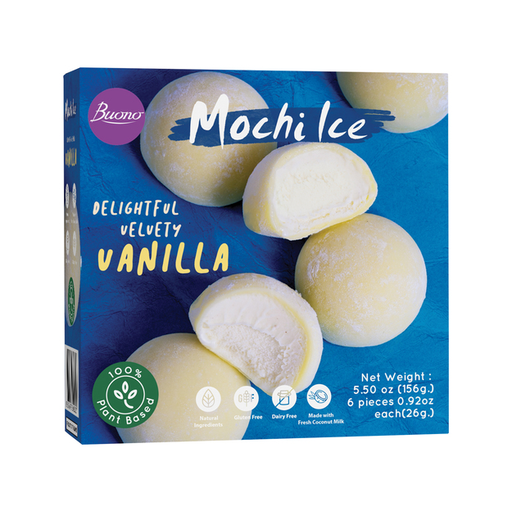 Image unavailable
Worth considering if you’d like frozen mochi to enjoy on several occasions. The pack is labelled 156 g; check the number of pieces and storage instructions before choosing it.
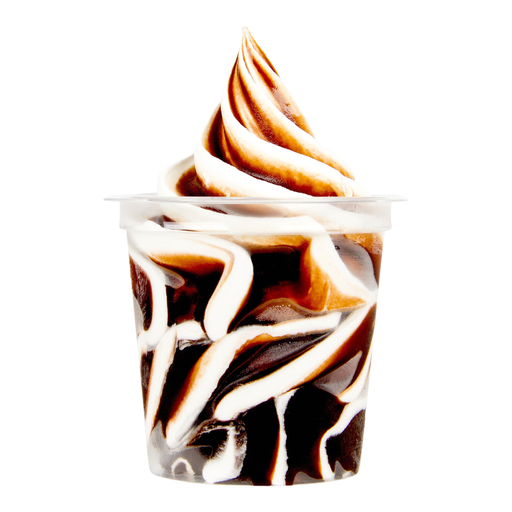 Image unavailable
The cup format means you don’t have to cut up a large dessert. The name states 140 ml; check how many cups are in the pack and read the ingredients list if it’s important to your choice.
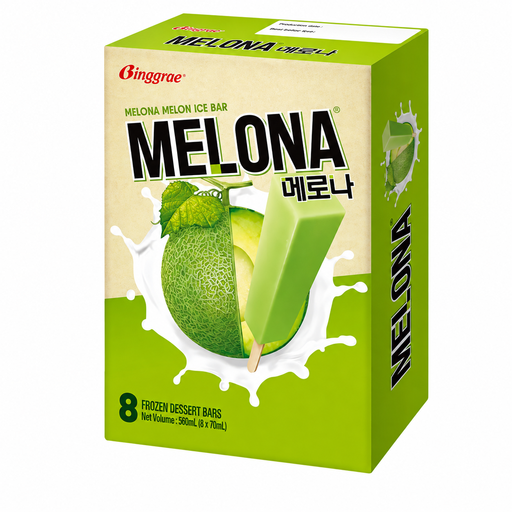 Image unavailable
Ice lollies let you enjoy one at a time. This pack contains eight 70 ml ice lollies, so check that they’ll fit in your freezer.
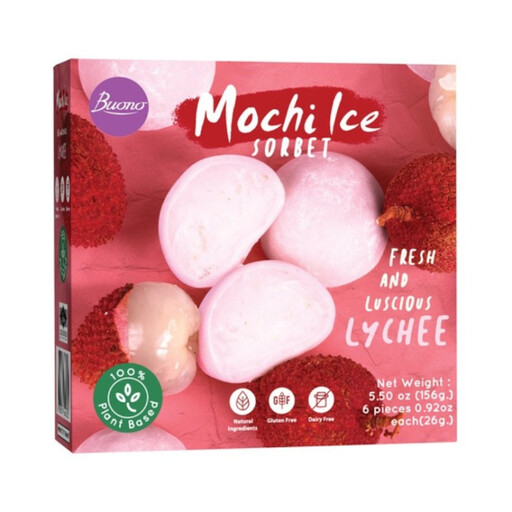 Image unavailable
This lychee option may suit you if you’re looking for frozen mochi rather than a pastry that needs cooking. The pack is labelled 156 g; check the number of pieces to see how many portions it contains.
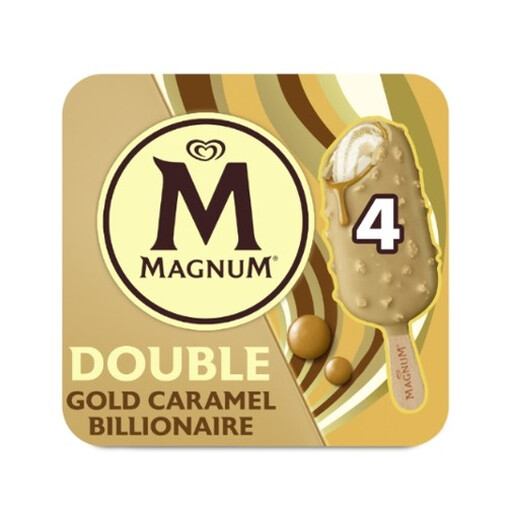 Image unavailable
The ice lolly format means you don’t have to portion out a tub of ice cream. The pack is labelled 284 g; check the number of ice lollies and how much freezer space you’ll need before choosing it.
Yes, if you can store any uneaten pieces as directed on the packaging. Check the number of desserts, their weight and the preparation instructions: “individual” doesn’t necessarily mean the box contains just one portion.
Pick them up at the end of your shop. ANSES also recommends using an insulated bag and taking the shortest possible route to the freezer to maintain the cold chain.
No. ANSES recommends eating thawed food promptly and not refreezing it. Always follow the instructions on the packaging of the dessert you’re buying.
Read the ingredients list and check the allergens stated on the specific product. France’s Directorate-General for Competition, Consumer Affairs and Fraud Control says that allergenic ingredients must be highlighted on pre-packed food. You can’t tell what a product contains from its individual format or the retailer’s name.