What should you check before buying?
First, check whether a sachet makes one bowl or several portions. Then look at the ingredients and nutritional content of the prepared bowl, as well as any practical considerations for your lunch break.
| Criteria |
What to check |
Who is it for? |
| Portion and preparation |
Number of sachets, volume of each bowl and amount of water needed. |
When I have lunch on my own away from home, I want to make a bowl without measuring the powder and have access to hot water. Around 33% of consumers would put ease of preparation above all else. |
| How it fits into lunch |
Nutritional values per prepared portion, particularly energy, protein and fibre; whether it contains starchy foods or pulses. |
If soup is the main part of my lunch, I want to know what else to include rather than assume one bowl is enough. Around 27% of consumers would make the meal’s nutritional content their priority. |
| Salt and allergens |
Salt per prepared bowl, ingredients list and allergen information on the pack. |
If I need to avoid certain ingredients or keep an eye on the salt in my meal, the exact recipe matters more than its name. Around 20% of consumers would prioritise these checks. |
| How much you’ll actually use |
Number of bowls you can make and whether you can use the whole sachet, depending on how often you have soup for lunch. |
I rarely make several bowls at once and don’t want to leave any unused. For around 20% of consumers, choosing a suitable quantity would be the main consideration. |
Soup and single portions on Joybuy
These products include a dehydrated soup sachet that makes 20 cl, along with several instant soups in separate portions. Noodle soups and miso soup may not be prepared in the same way as a sachet mixed with water in a cup, so choose according to the facilities available and the instructions on the pack.
 Image unavailable
Royco dehydrated noodle soup with carrot and mushroom, 3 × 20 cl
The three 20 cl portions are handy if you want to make one bowl at a time. To plan the rest of your lunch, check the nutritional values and allergens for the prepared portion on the pack.
View on Joybuy
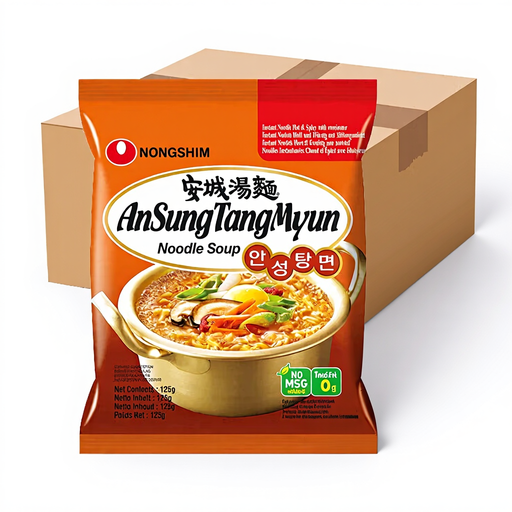 Image unavailable
Nongshim Ancheng instant noodle soup, 20 × 125 g
The 125 g portions are better suited to a lunch break when you can cook noodles than to a simple cup of soup. Check the cooking time, salt per portion and allergens before relying on this format for lunch.
View on Joybuy
 Image unavailable
Hikari Enjuku Tofu instant miso soup, 8 portions
The separate portions may suit a break where you have access to hot water. If the salt content of your bowl matters to you, check the amount per prepared portion and the allergen information on the pack.
View on Joybuy
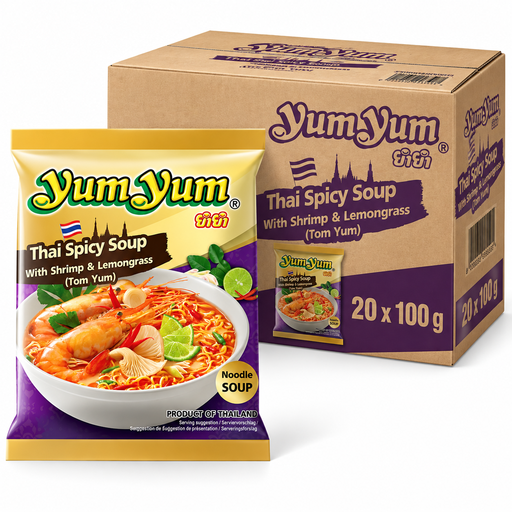 Image unavailable
Yum Yum Tom Yum Shrimp Coco Lemongrass noodle soup, 20 × 100 g
This multipack of individual portions is a good choice if you’re looking for instant noodle soup rather than a simple bowl of soup. Before taking it along for a short break, check the pack for the amount of water needed, preparation time, nutritional values per bowl and allergen information.
View on Joybuy
Frequently asked questions
Is a single-serve dehydrated soup enough for lunch?
Not necessarily: ‘single-serve’ describes the portion, not the whole meal. Check the nutritional values for the prepared bowl and think about what else to include. Manger Bouger highlights the role of vegetables, starchy foods and pulses in a varied lunch.
How can I compare two soups in different formats?
First compare the number of bowls and their volume once prepared, then compare the nutritional information on the same basis, for example per 100 ml prepared if the labels allow. Also check the salt per portion, ingredients and allergens. A Nutri-Score label doesn’t replace this information.
Which allergens should I check in a sachet soup?
It depends on the recipe. Some of the products listed are noodle-based, and allergen information may include wheat, milk, celery or soya. Check the ingredients list and allergen information on the specific pack you’re buying, including any warnings about possible traces.
What information should I look for on food packaging in France?
For prepacked foods in France, the DGCCRF says the label must include details such as the ingredients list, nutrition declaration, net quantity and date marking. When choosing soup for a single lunch, check this information alongside the number of portions and preparation instructions for that product.


