Organisers without a cool bag
A cake in an individual wrapper can be handed out without needing cutlery. Check its storage instructions, though: individual packaging won’t protect it from prolonged exposure to heat.


If you’re not taking a cool bag, choose a single-serve cake whose storage instructions are suitable for your journey, then keep it out of direct sunlight and away from heat. A single-serve pastry that needs to be refrigerated will require a way to keep it chilled. In either case, compare the number of portions, the recipe and the allergens rather than relying on the format alone.
A cake in an individual wrapper can be handed out without needing cutlery. Check its storage instructions, though: individual packaging won’t protect it from prolonged exposure to heat.
Count the cakes in each pack, then check the sugars per portion, ingredients and allergen information for the product you’ve chosen. Where shown, the Nutri-Score gives you another point of comparison.
Single-portion éclairs, tartlets or flans mean you won’t need to slice anything on the spot. If you choose a chilled product, make sure you can transport it at the temperature stated on the label.
Start with the storage requirements and your planned journey. Then choose the number of portions and compare the labels of recipes that suit your guests.
| Criteria | What to check | Who it matters to |
|---|---|---|
| Transport and heat | Read the storage instructions. If the dessert needs to stay refrigerated, make sure you can transport it chilled. | If I don’t have a cool bag, I want to take a dessert without breaking a necessary cold chain. Around 36% of consumers prioritise this transport requirement. |
| Recipe and allergens | Compare the sugars per portion and the ingredients; check the allergens and any traces listed for the exact product. | For a shared snack, I need to know what’s in the cakes before handing them out. The recipe and dietary restrictions come first for around 29% of consumers. |
| Number of portions | Check how many cakes or portions are in the pack, not just its total weight. | If it’s a small group, I prefer to count the portions so I don’t end up with an oversized pack. Matching the number of portions to the group is a priority for around 21% of consumers. |
| Fresh pastry | Check the storage instructions and whether you can keep the dessert chilled during the journey. | If I have a cool bag, I can consider an individual pastry rather than a packaged cake. Around 14% of consumers prefer this type of dessert despite the extra care needed to transport it. |
A chilled pastry still needs to be stored at the temperature stated on its label, even if it’s sold individually. The DGCCRF advises keeping chilled products cold during transport and not leaving them out of the fridge for long.
Check the label before buying. If you don’t have a cool bag, choose a product whose storage requirements suit your planned journey.
Depending on what you choose, you may need to take a cool bag and ice packs.
Two packs of a similar weight may not contain the same number of cakes to hand out.
Count your guests and compare the number of portions shown on each pack before choosing its size.
A claim such as “organic” or “reduced sugar” relates to one specific criterion; on its own, it doesn’t tell you everything about the ingredients or allergens.
Read the full label and compare the nutritional values on the same basis, particularly per 100 g or per portion.
In-store ranges can vary, and some pastry offers are temporary.
Check the product at the store where you plan to shop, and have a suitable alternative in mind that works with your transport arrangements.
St Michel offers madeleines in individual sachets, including multipacks.
Napolitain L’Original consists of soft chocolate-filled cakes in individual sachets.
Auchan’s range includes sponge cakes and soft chocolate cakes in individual sachets.
Carrefour’s individual pastry range includes tartlets and petits fours.
E.Leclerc offers desserts packaged in multiple portions, including products from the chilled aisle.
Lidl advertises offers on pastries and viennoiseries, including formats designed for sharing.
These products give you the chance to compare cakes and a tart-style dessert to take with you. Before allowing for one portion per person, check the packaging and storage instructions for each product.
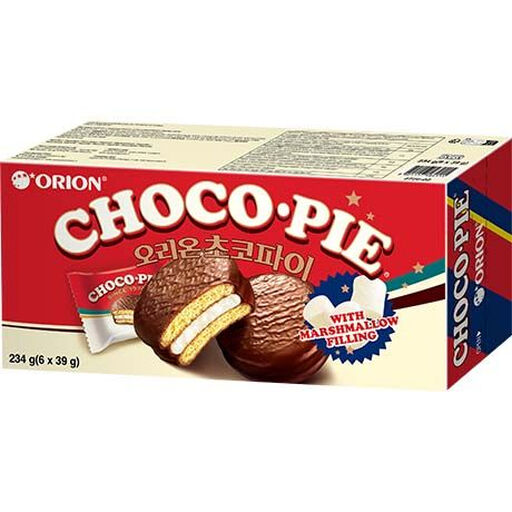 Image unavailable
If you’re planning to hand these out as a picnic dessert, check how many pieces are in the pack and whether they’re individually wrapped. Keep the pack out of direct sunlight and check the allergen information before sharing.
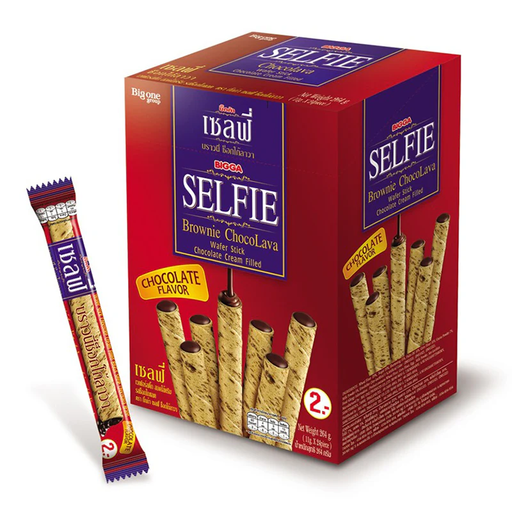 Image unavailable
If you’re planning to serve brownies to a group, check how many portions are in the pack. Also read the label to compare the sugar content and check for allergens. Keep the product away from heat during your journey.
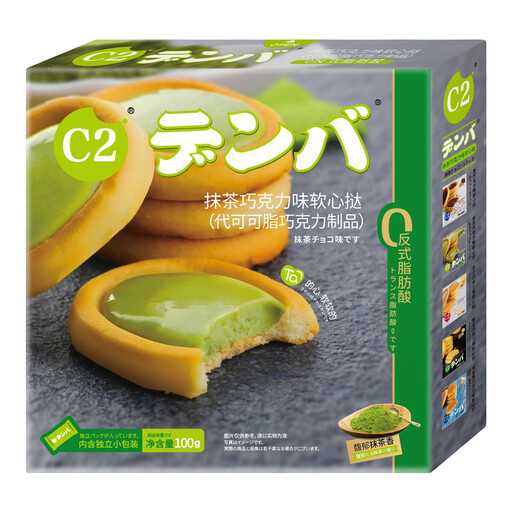 Image unavailable
If you’re planning to serve this tart at a picnic, check how many pieces are in the box and whether they’re individually wrapped before working out the portions. Also read the storage instructions and allergen information, and check the details about the E102 and E110 colourings.
Not necessarily: it depends on the storage instructions for the product you choose. For a chilled dessert, the DGCCRF recommends keeping it cold during transport and not leaving it out of the fridge for long. For a cake that doesn’t need refrigerating, follow the instructions, including any precautions to protect it from heat.
No. It makes the cake easier to hand out, but doesn’t tell you everything about its ingredients. Before sharing, check the allergen information and any warnings about traces on the label for the exact product.
According to St Michel, the claim compares the product in question with the average sugar content of plain madeleines on the French market. It doesn’t mean these madeleines contain less sugar than every other single-serve cake. Check the nutritional information and portion size too.
First, check the number of portions, allergens and storage instructions for the cake you’ve chosen. When putting together a snack, Manger Bouger advises varying the foods you offer and recommends avoiding biscuits with a Nutri-Score of E. The score is one source of information about a product, though, and doesn’t address every child’s needs.