
Livraison le jour même ou le lendemain

Qualité garantie

Débloquez vos offres de bienvenue: Livraison GRATUITE | Jusqu'à -80 % | 30 jours d'essai gratuits à JoyPlus
Téléchargez l'application
Finding the right food for a sensitive dog can often feel like an uphill battle. Itching, digestive issues, a picky appetite... every meal becomes a challenge. The market is flooded with promises, but let's be clear: not all kibbles are created equal, including those with reassuring labels. As a product expert for our editorial team, my mission is to help you see through the noise. Together, let's decode the marketing traps so you can make the right choice with confidence.
Owners are often misled by three common pitfalls:
To choose the right food for an allergic or sensitive dog, you need to read between the lines of marketing slogans. Here are the points to check every time.
The principle of a single-protein diet is simple: use only one source of animal protein. This is a common approach to identify and avoid allergens.
Grain-free duck kibble is popular, but the type of carbohydrate used to replace grains is a crucial point.
A dog, even domesticated, remains a carnivore at heart. The proportion of animal-based ingredients is therefore an excellent indicator of quality, especially for a picky eater who will be naturally more drawn to a meat-rich recipe.
Because every dog is unique, here is our selection of products that each meet a specific need. The goal is to help you find the perfect formula.
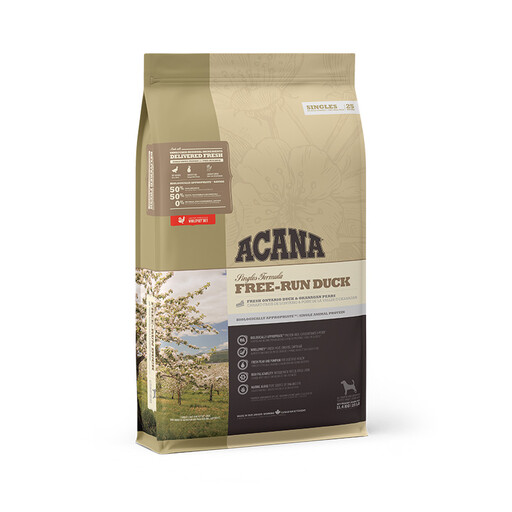
Why we recommend it: This recipe is the perfect answer for dogs prone to food sensitivities. It relies on a simple, transparent, and high-quality composition to minimise the risk of a reaction.
The recipe is strictly single-protein: 50% duck (meat, liver) and fat sourced from the same animal. It's grain-free, favouring lentils and peas to avoid high-glycemic starches.
Absolute transparency: the ingredient list is crystal clear. Digestive support: fibre from squash and pear promotes healthy digestion.
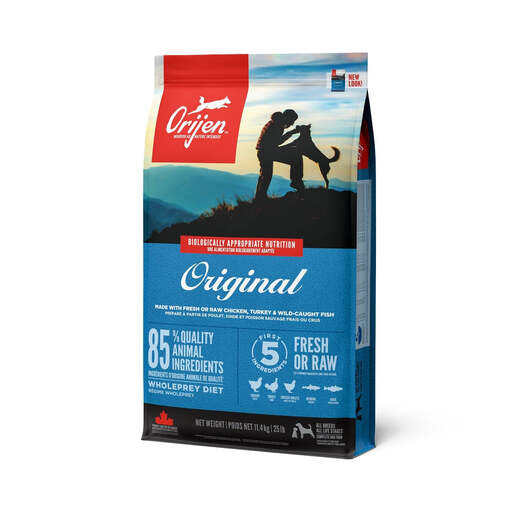
Why we recommend it: This is the choice for owners who want exceptional, rich, and varied nutrition for an active dog with no known allergies. Orijen is the benchmark for its record-high protein levels and diversity of meats.
Transparency is total. Although it's not single-protein, the recipe lists every animal source with surgical precision (chicken, turkey, fish, eggs). The ingredients are fresh and assembled according to the "WholePrey" principle.
Record protein level (38%): perfect for maintaining muscle mass. Nutritional richness: the blend of meats and fish ensures a complete profile of amino acids and omegas.
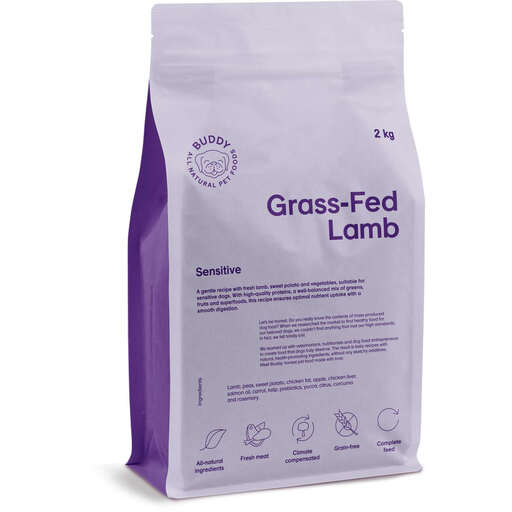
Why we recommend it: An excellent alternative if your dog doesn't tolerate duck or if you want to try another single protein. Lamb is known for being particularly easy to digest.
This recipe does use lamb as its sole meat protein source. However, be aware: it contains chicken fat. This is something to watch out for if your dog has a specific allergy to it.
Lamb protein: an option that is often very well-tolerated by sensitive stomachs. Functional ingredients: the recipe is enriched with superfoods like kelp and turmeric.
Discover our full selection of products that meet our strict selection criteria and the latest industry standards.
To avoid any digestive upset, the transition must be gradual. The secret is to progressively mix the new kibble with the old over 7 to 10 days, slowly increasing the proportion:
A single-protein diet is primarily recommended for dogs with known or suspected food allergies or intolerances. It's the best method for identifying and isolating the allergen. For a healthy dog with no particular sensitivities, a quality multi-protein food like Orijen's will offer a richer and equally excellent nutritional profile.
Acana and Orijen are two sister brands, made by the same company (Champion Petfoods). They share a common philosophy: fresh, local, and high-quality ingredients. Their main difference lies in the composition: