
Livraison le jour même ou le lendemain

Qualité garantie

Débloquez vos offres de bienvenue: Livraison GRATUITE | Jusqu'à -80 % | 30 jours d'essai gratuits à JoyPlus
Téléchargez l'application
Whether you're a student moving into your first apartment, a city dweller in a studio, or simply looking for a secondary cooking solution, the single induction cooktop is an excellent choice. Compact, fast, and energy-efficient, it ticks all the boxes for small areas without compromising on performance.
This guide is here to clarify the essential criteria to consider before buying and to present our selection of the best models to equip your kitchen.
The market is flooded with models. To make the right choice, focus on a few key features that will make all the difference in your daily routine.
Power, measured in watts (W), determines how quickly your cooktop heats up. A 2000?W induction cooktop represents an excellent balance between heating speed and power consumption. It's powerful enough to boil water in minutes or sear meat to perfection. Most models offer multiple power levels, a welcome flexibility that allows you to simmer a dish just as easily as you can cook at high temperatures.
A touch-sensitive induction cooktop offers a perfectly smooth surface, which is not only easier to clean but also more precise for adjusting the temperature or timer. Pay close attention to safety features:
The principle of induction relies on a magnetic field. Therefore, your pots and pans must have a ferromagnetic base. The trick to check? Take a magnet and hold it to the bottom of your cookware. If it sticks, it's compatible with your future induction hob!
Let's take a closer look at a model that caught our eye, both for its features and its versatile design.

Why this model stands out:
This cooktop combines a substantial 2000?W of power with a highly intuitive control interface. Its polished glass panel is not just elegant; it makes cleaning up after each use incredibly easy. Its cooking programs are a real bonus for simplifying life in the kitchen.
Advantages:
Who is it for?
This model is ideal as a cooktop for a student, for a studio apartment, or simply as a high-performance, easy-to-store backup burner.
Once the meal is over, good organisation is key, especially in a small space. Here are a few thoughtfully designed accessories to complete your setup.
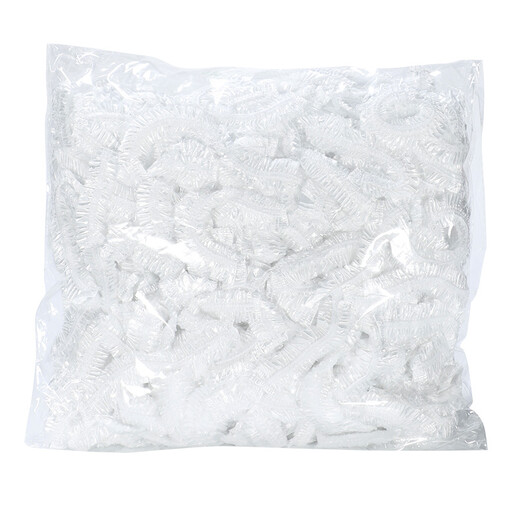
Why it's a great idea:
To store leftovers without wasting single-use plastic wrap. These stretchy lids fit most bowls and dishes, protecting your food in the fridge and preventing odours from mixing.
Advantages:
Who is it for?
For anyone who wants to better preserve their meals and organise their fridge intelligently.

Why it's a great idea:
In a studio, every object needs its place. This compact and elegant box allows you to store and protect your jewellery so you never damage or lose it again.
Advantages:
Who is it for?
For those looking for a storage solution for their valuables that is as functional as it is aesthetic.
Need that one final touch to make your space perfect? Browse our selections to find plenty of inspiration and equip your daily life with style.
Consumption obviously depends on the power level and duration of use. That said, induction technology is known for its excellent energy efficiency. It heats the cookware directly, which limits heat loss and reduces cooking time compared to a classic single electric hob (ceramic or cast iron). Ultimately, consumption is often lower for the same cooking result.
No, and this is a crucial point. Only cookware with a magnetic base (containing iron) is compatible. Steel, cast iron, and some stainless steels work perfectly. However, aluminium, copper, or glass are not compatible unless they have a ferromagnetic disc integrated into their base.
Upfront, a classic electric hob is often cheaper, that's true. However, in use, the portable induction cooktop proves to be more economical. Its energy efficiency is much better (around 90% compared to 60-70% for ceramic), which means it consumes less electricity for the same cooking time. The initial investment is therefore quickly paid back through savings on your electricity bill.