
Livraison le jour même ou le lendemain

Qualité garantie

Débloquez vos offres de bienvenue: Livraison GRATUITE | Jusqu'à -80 % | 30 jours d'essai gratuits à JoyPlus
Téléchargez l'application
Choosing a single duvet 140x200 cm is about more than comparing colours and prices. Dimensions, filling weight, materials, care instructions and “hypoallergenic” claims: certain details can make all the difference in everyday use.
A duvet that is too small will not cover the bed properly, while a model that is too thick can be difficult to wash. Similarly, a cover that feels pleasant to the touch does not necessarily offer good breathability or remain durable after repeated machine washes. Here are the criteria to consider before furnishing a child’s, student’s or guest bedroom, or simply a single bed.
For a single bed, the 140x200 cm size is very common in France. However, some models measure 135x200 cm, while certain covers are designed for 200x200 cm duvets. These dimensions are not interchangeable: you could end up with creases, insufficient overhang or a duvet that slips around inside its cover.
Before ordering, always check:
A single winter duvet should be assessed based on concrete details. Expressed in g/m², the filling weight indicates the amount of filling used. However, it is not enough on its own to determine how warm the duvet will feel: the cover, loft and distribution of the filling also matter.
For example, a 400 g/m² duvet may be suitable for a cool bedroom. Comfort will also depend on the room temperature, what you wear at night and your individual preferences. In a well-heated bedroom, a lighter model may sometimes feel more comfortable.
The terms hypoallergenic and dust-mite resistant should be considered with a degree of caution. A textile certification may relate to the absence of certain substances or to a specific manufacturing process. It does not replace advice from a healthcare professional and does not guarantee the same reaction for every user.
It is better to choose a duvet with a detailed product sheet covering its materials, washing temperature, permitted drying method and clearly identified certifications. For people with sensitivities, regular washing of bed linen is also essential.
On a 90 cm-wide bed, a 140x200 cm duvet generally provides a comfortable overhang at the sides. The 135x200 cm size may also be suitable for some single beds, provided it is paired with a cover of identical dimensions.
Do not rely solely on the words “single bed”: always check the measurements given in centimetres on the product page.
A microfibre duvet is often popular for its softness, reasonable weight and easy care. Polyester may dry more quickly than some natural fibres, but warmth and breathability vary according to the weave and type of filling.
A cotton-polyester duvet combines a cotton cover with synthetic filling. It offers a more natural feel while generally remaining easy to care for. In particular, check:
Machine-washable bed linen makes it easier to rotate items between washes, particularly in a child’s or student’s bedroom. However, check the maximum permitted temperature and any restrictions relating to drying.
A thick duvet may require a large-capacity washing machine. For example, the 140x200 cm model featured below recommends using a machine with a capacity of at least 12 kg. Forcing a duvet into a drum that is too small can affect washing quality and deform the filling.
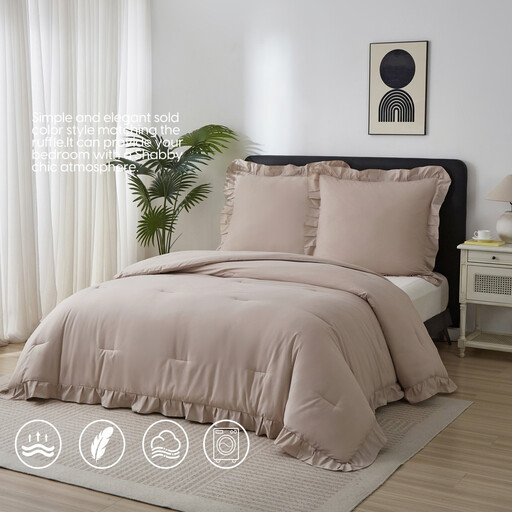
Why this choice suits this profile : This set includes a 135x200 cm duvet and an 80x80 cm pillowcase. Made from 100 % polyester microfibre and washable at 30 °C, it is a practical option for a first home or guest bedroom, provided you check the bed and cover dimensions.
The product information clearly details the set contents and maximum washing temperature. However, the 135x200 cm size should be compared with your cover dimensions before buying.
A two-piece microfibre set, machine washable at 30 °C and suitable for low-temperature tumble drying according to the product information.
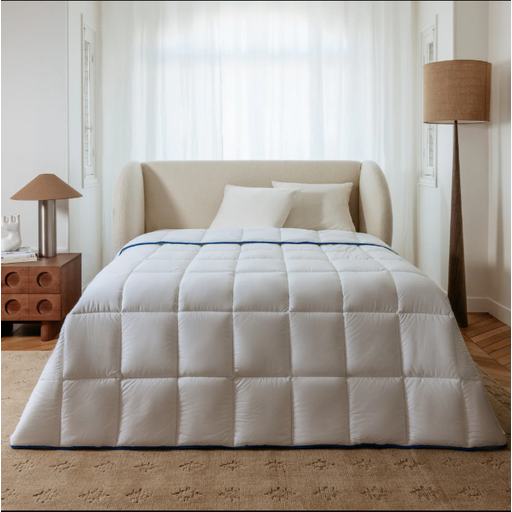
Why this choice suits this profile : This model comes in the 140x200 cm size and is aimed at those looking for a warm duvet with a cotton percale cover and synthetic filling.
The stated 400 g/m² filling weight and composition are clearly detailed. This allows you to estimate the expected warmth rather than relying on a simple marketing description.
140x200 cm size, 100 % cotton percale cover, hollow siliconised polyester filling and washing instructions of up to 40 °C. The product information mentions several textile certifications, which should be checked directly on the product page.
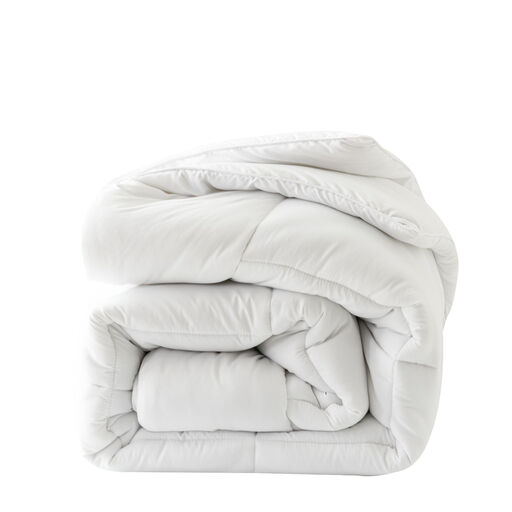
Why this choice suits this profile : Its 15 tog warmth rating is designed for people looking for a cosy winter duvet. The 135x200 cm size must be paired with a compatible cover.
The 15 tog rating appears in the product name, providing a more precise indication than a vague promise of a “very warm” duvet. Check the product information for care instructions.
Microfibre filling, compartment construction and 135x200 cm size according to the product information. How warm it feels will depend on the bedroom temperature and individual preferences.

Why this choice suits this profile : Although advertised as being designed for a single bed, this set actually includes a 200x200 cm cover and two 80x80 cm pillowcases. It may be suitable for a bed already fitted with a square duvet of these dimensions.
The 200x200 cm dimensions are clearly stated, so it cannot be confused with a cover for a 140x200 cm duvet. The zip fastening makes fitting easier.
A three-piece set made from microfibre containing 90 % polyester, machine washable according to the product information. OEKO-TEX Standard 100 certification is also mentioned; however, check its scope before buying.
Choose a 140x200 duvet cover in the same dimensions. A 135x200 cm cover may compress the duvet, while a 200x200 cm model will leave too much excess fabric and fail to hold the filling securely. Also remember to check the dimensions of any pillowcases included in a bedding set.
Compare the filling weight, warmth rating where provided and bedroom temperature. A cotton cover combined with 400 g/m² polyester filling provides a practical reference point, while a model rated at 15 tog uses a different warmth scale. In both cases, these figures do not replace your personal preferences: some people sleep in a well-heated bedroom, while others prefer a lighter duvet.
Follow the label or the instructions provided on the product page. Use a sufficiently large drum, do not overload the washing machine and allow the duvet to dry completely before putting it back on the bed. For a microfibre duvet, the recommended temperature may be 30 °C; for some cotton and polyester models, it may reach 40 °C. Proper care helps preserve the loft and shape of the filling.