
Livraison le jour même ou le lendemain

Qualité garantie

Débloquez vos offres de bienvenue: Livraison GRATUITE | Jusqu'à -80 % | 30 jours d'essai gratuits à JoyPlus
Téléchargez l'application
Whether you're outfitting a student flat, adding a backup cooking solution, or optimising a kitchenette, the single-burner induction hob stands out as a smart and efficient choice. The problem: the market is flooded with models making tempting promises that often hide nasty surprises during use. To avoid buyer's remorse, it's essential to know how to sidestep marketing traps and invest in an appliance that will truly stand up to daily use.
As the Head of Product Recommendations at Joybuy, I'm here to guide you. Here are the key things to watch out for and the criteria that really matter.
To make an informed choice, focus on a few objective technical specifications rather than marketing claims.
A high nominal power rating is a good indicator, but it must be paired with excellent thermal management. A 2000W induction hob is an excellent choice for boiling water in record time or searing meat. However, true versatility comes from the number of power levels. A minimum of 8 to 10 levels will allow you to go from a rolling boil to a gentle simmer with great precision—something a standard single-burner electric hob struggles to do as efficiently.
The surface is the element you interact with the most. Opt for a hob with a single-piece polished glass or vitroceramic panel. This type of surface offers a dual advantage: better scratch resistance and significantly easier cleaning. A touch-control hob with responsive sensors and a readable LED display is a real bonus for convenience and safety, allowing you to control everything with a fingertip.
A good induction hot plate must include several essential safety features: overheat protection, automatic shut-off when no cookware is detected, and a child lock to prevent accidental operation. Also, remember to check your cookware's compatibility. An induction hob only works with pans and pots that have a ferromagnetic base (steel, cast iron, some stainless steels). The foolproof trick: if a magnet sticks to the bottom of your pan, it's compatible.

Why we chose it: Perfect for students or as an auxiliary hob, it combines power, a compact design, and practical features. It perfectly meets the needs for fast, varied cooking, even in a limited space.
Its durable glass surface and integrated touch controls protect you from responsiveness and cleaning issues. The 10 power levels ensure precise control and avoid the "all-or-nothing" trap.
Its 2000W of power guarantees rapid heating. Its 6 preset cooking modes (fry, boil, steam, etc.) simplify your daily routine.
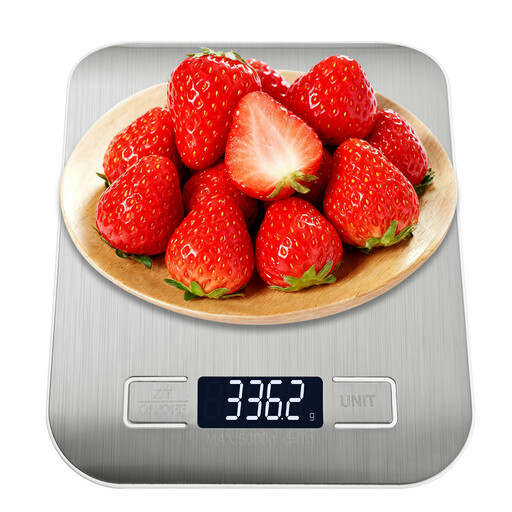
Why we chose it: To fully leverage the responsiveness of an induction hob, ingredient precision is key. This scale is the essential companion for baking and recipes that don't allow for guesswork.
It eliminates guesswork, a pitfall that leads to disappointing cooking results. By weighing your ingredients, you give yourself the best chance of success for dishes made on your induction hob.
Accurate to the gram up to 5 kg. Fingerprint-resistant stainless steel surface that's easy to clean and fits perfectly into a modern kitchen.
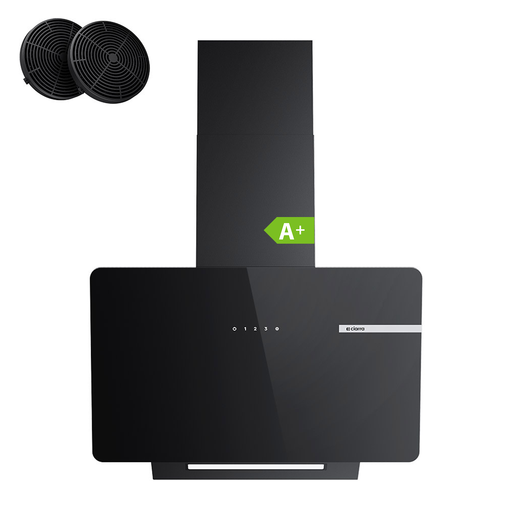
Why we chose it: Using a powerful induction hob in a studio or open-plan kitchen generates a lot of steam and odours. An effective extractor hood is therefore essential to maintain healthy air quality and a pleasant environment.
It tackles the problem of lingering odours and humidity head-on—a major drawback of intensive cooking in an enclosed space that the hob alone cannot solve.
Dual operating modes (extraction or recirculation) to suit any home layout. Glass touch control panel and integrated LED lighting.
Explore our full selection of hobs that meet our quality criteria and European safety standards.
That's a common misconception. Although powerful, induction technology is actually remarkably energy-efficient. It heats the cookware directly, not the hob itself, which significantly limits heat loss. Compared to a traditional ceramic or electric hob, an induction hob can reduce energy consumption by up to 30-40% for the same task, like boiling water.
The lifespan of a portable induction hob depends on the quality of its components and how it's used. A well-made model with good ventilation and a durable surface can serve you without fail for many years. To extend its life, make sure never to block the vents, clean it after each use once it has cooled down, and use suitable cookware.
Only cookware containing a ferromagnetic material will work. This includes most pans made of cast iron, enamelled steel, and induction-ready stainless steel. Aluminium, copper, glass, or ceramic are not compatible unless their base is fitted with a ferromagnetic disc. The magnet test remains the simplest and most reliable way to check your cookware's compatibility.