Grease splatters on the hob, cling film that tears or refuses to stick, leftovers drying out in the fridge… Do these daily frustrations sound familiar? The silicone lid has emerged as a game-changing solution—both versatile and durable—to put an end to these hassles.
As product experts at Joybuy, our mission is to help you navigate the options. This guide demystifies this now-essential accessory and points you towards the perfect model for your needs, all without the unnecessary marketing jargon.
How to Choose the Right Silicone Lid?
Before you buy, here are the key points to check to ensure you make the right choice.
1. Define the Primary Use: Cooking, Storage, or Microwave?
Not all silicone lids are created equal, nor do they meet the same needs.
- For cooking: A splatter guard is your best ally. Often flat and perforated, it allows steam to escape while containing oil or sauce splashes. It acts as a true shield for your hob.
- For food storage: The stretchable silicone lid is the ultimate eco-friendly and practical alternative to plastic wrap. It adapts to a myriad of containers (bowls, salad bowls) to preserve the freshness of food in the refrigerator. It is the quintessential reusable food cover.
- For reheating: A dedicated microwave cover or lid guarantees an evenly reheated meal without drying it out, and keeps your appliance clean.
2. Check the Material's Quality and Safety
Insist on the "food-grade silicone" label, which guarantees a product free from harmful substances like BPA (Bisphenol A). Heat resistance is also a crucial factor. Check the maximum supported temperature, especially if you plan to use it for cooking or in the microwave. High-quality silicone will not warp or release any odours, even at high temperatures.
3. Size and Compatibility
It may seem obvious, but a lid is only useful if it’s compatible with your cookware. For a splatter guard, aim for a diameter slightly larger than your biggest pan. For stretchable lids, sets with multiple sizes are a smart investment that ensures maximum versatility.
Recommended Silicone Lids
Here are a few models that stand out for their design and practicality, each meeting a specific need.
COOK CONCEPT SPLATTER GUARD - SILICONE 32CM
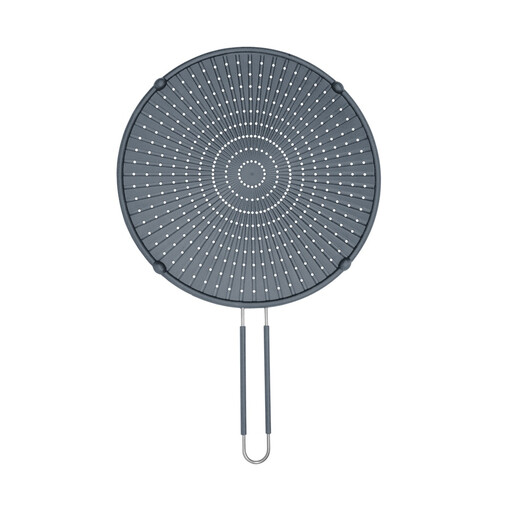
- Why it stands out: The simple and incredibly effective solution to end cooking splatters. It lets you cook with peace of mind and maintain a spotless hob.
- Advantages:
- Generous 32 cm diameter: Compatible with most frying pans, sauté pans, and saucepans.
- Smart design: Blocks grease and sauce splashes while allowing steam to escape for perfect cooking.
- All-purpose material: Made of flexible, durable, and heat-resistant silicone, it cleans in a flash.
- Effortless maintenance: Dishwasher safe for easy cleanup.
- Who is it for?: Essential for those who often fry foods, cook meats, or make sauces and want to say goodbye to the chore of cleaning the hob.
COOK CONCEPT Flexible Silicone Covers x3
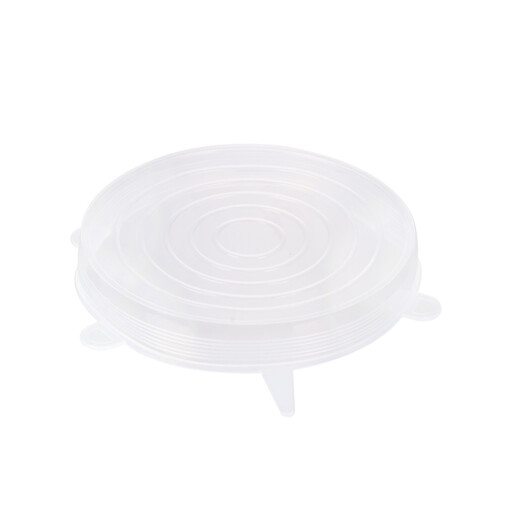
- Why it stands out: This set is the simple step towards a more eco-friendly kitchen. It knocks out plastic wrap and aluminium foil.
- Advantages:
- Versatile trio: Includes three sizes (14.5 cm, 16.5 cm, and 20.5 cm) to fit a multitude of bowls, salad bowls, and even directly over cut fruit.
- Optimal preservation: The stretchable silicone lid creates an airtight seal that extends the freshness of your food.
- 100% safe material: Made of high-quality, guaranteed BPA-free food-grade silicone.
- Goes anywhere: Refrigerator, microwave, and dishwasher safe.
- Who is it for?: The obvious choice for the environmentally conscious, looking for a reusable food cover solution to store leftovers or prep meals in advance.
M&Co 27 cm Foldable Microwave Cover
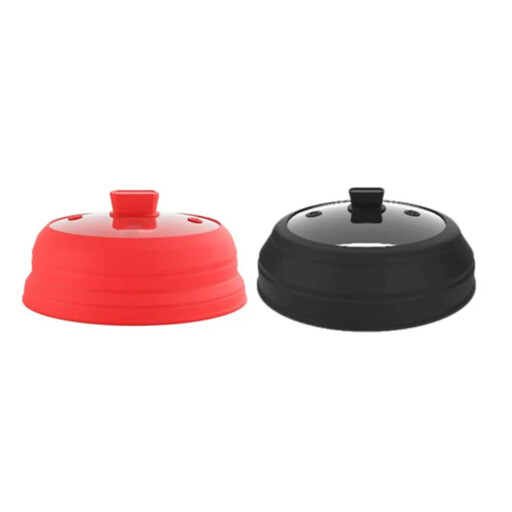
- Why it stands out: This microwave cover is a little gem of ingenuity. Its main advantage? A collapsible design that frees up precious space in your cupboards.
- Advantages:
- 3-in-1 concept: Serves as a microwave lid, a secondary cooking cover, or a dome to keep dishes warm on the table.
- Visibility and ventilation: Its glass centre allows you to keep an eye on your food as it reheats, while integrated vents release excess steam.
- Optimised storage: Once its job is done, it flattens completely for ultra-compact storage.
- Quality materials: Silicone structure that is heat-resistant up to 200°C and an insulated handle for safe handling.
- Who is it for?: A must-have for microwave users who are short on space and love clever, multifunctional kitchen accessories.
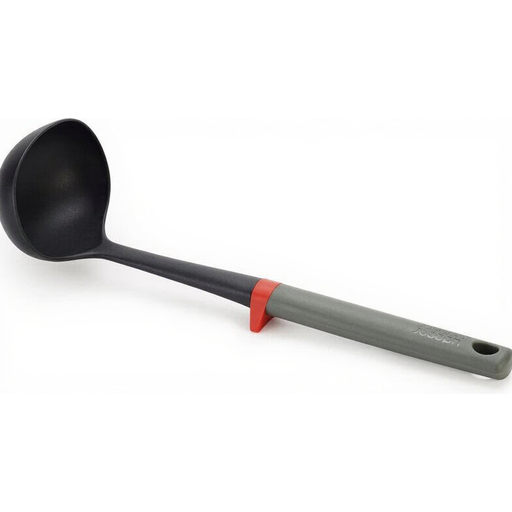
- Why it stands out: While not a lid, this utensil shares the same philosophy: keeping the kitchen clean. Its secret? An integrated tool rest that prevents messes on your worktop.
- Advantages:
- Hygienic: The small nub elevates the ladle head, so it never touches the work surface.
- Protects cookware: Its silicone head is friendly to non-stick pots and pans and will never scratch them.
- High resistance: Withstands temperatures up to 200°C.
- Easy to clean: A trip through the dishwasher and it's done.
- Who is it for?: For meticulous cooks who appreciate smart details that simplify life in the kitchen and ensure impeccable cleanliness.
Looking for Other Options?
Didn't find what you're looking for? Our selection focuses on specific needs, but the world of kitchen accessories is vast. To discover other gems or find the model that will meet your needs 100%, explore our full category.
? Discover all our silicone kitchen gadgets
Frequently Asked Questions (FAQ)
1. Are silicone lids safe for your health? Yes, provided you choose a product labelled "food-grade silicone" and guaranteed BPA-free. This type of silicone is stable, inert, and does not leach chemicals into food, even when heated (within the temperature limits recommended by the manufacturer).
2. How do you clean and maintain a silicone lid? Most silicone lids are dishwasher safe, which makes maintenance incredibly simple. For hand washing, warm, soapy water is sufficient. Just avoid abrasive sponges that could scratch the surface.
3. Can a silicone lid go in a conventional oven? This depends entirely on the model. Most lids, especially splatter guards and microwave covers, are not designed for conventional ovens. It is imperative to always check the maximum supported temperature, indicated by the manufacturer on the packaging or in the instructions, before attempting to use it in the oven.


