
Livraison le jour même ou le lendemain

Qualité garantie

Débloquez vos offres de bienvenue: Livraison GRATUITE | Jusqu'à -80 % | 30 jours d'essai gratuits à JoyPlus
Téléchargez l'application
Eager to recreate the unique taste of Sichuan cuisine at home, but feeling lost in the spice aisle? The secret to the málà (麻辣) flavour—that unique balance between the fire of chilli and a surprising numbing sensation—lies in one star ingredient: Sichuan pepper.
Don't worry, this guide is here to help. We've decoded the secrets of this fascinating spice so you can choose the right products and finally master that authentic flavour, without getting bogged down in marketing jargon.
For a truly authentic result, it's essential to understand the nuances between the different products. Here are the key points to consider before you buy Sichuan pepper or its derivatives.
Sichuan pepper, or huājiāo (花椒), isn't a pepper in the botanical sense, but the husk of a berry from a prickly ash tree. It's what provides that famous numbing sensation (má). For maximum versatility, nothing beats whole peppercorns. You can infuse them in oil, toast and grind them, or toss them directly into your stews. Good quality pepper is recognizable by its vibrant colour and intense aroma.
Be careful not to confuse these two oils, as their roles are quite distinct:
For Sichuan cuisine worthy of the name, the secret is having both on hand. This allows you to adjust the málà balance to perfection, just the way you like it.
To move from theory to practice, here is a selection of products that form an ideal foundation for exploring the flavours of this region.
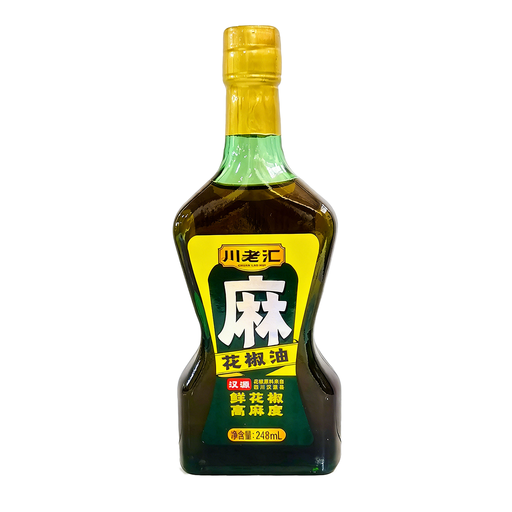
Why it stands out: This Sichuan pepper oil is made from Hanyuan pepper, a variety renowned for its numbing potency. Its traditional extraction process captures a rich aroma and a pure flavour, with no additives. Its golden, clear appearance is also a feast for the eyes.
Highlights:
Best for: Anyone looking to add that final numbing (má) touch to their dishes without the effort of a homemade infusion.
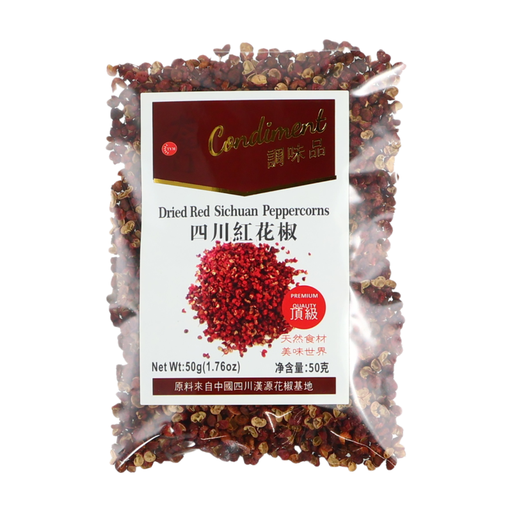
Why it stands out: This bag contains whole red Sichuan pepper husks, selected for their superior quality. The peppercorns are plump, with a characteristic ruby colour, and release an intoxicating aroma once toasted. It's the essential raw ingredient for any cook who wants to master the preparation of their Sichuan spices from start to finish.
Highlights:
Best for: Purists and DIY enthusiasts who want to start with the raw ingredient to create their own blends.

Why it stands out: An essential complement to pepper oil, this Sichuan chilli oil brings the spicy (là) side of the equation. With 16% chilli in a rapeseed oil base, it offers a brilliant red colour and a complex, spicy aroma. A ready-to-use condiment that instantly elevates any dish.
Highlights:
Best for: The must-have for anyone wanting to add kick and colour to their dishes, from Dan Dan noodles to a simple plate of dumplings.
If our selection doesn't cover all your needs or you simply want to expand your spice collection, feel free to explore our full range.
Discover our selection of spices and condiments to find the missing ingredient for your recipe.
1. What is the difference between Sichuan pepper and black pepper? Black pepper (from Piper nigrum) provides a pungent heat due to piperine. Sichuan pepper, however, does not belong to the same botanical family. Its unique flavour comes from a molecule (hydroxy-alpha-sanshool) that creates a tingling and numbing sensation on the tongue, rather than simple heat.
2. How do I use Sichuan pepper oil? It's a finishing oil, so it should be added at the very end of preparation or directly onto the served dish. A few drops are enough to perfume a salad, a bowl of noodles, a soup, or a sauce. Most importantly, do not heat it to a high temperature, as this will destroy its delicate aromas.
3. Is Sichuan pepper really a pepper? No, botanically speaking, it is not a pepper. The term "pepper" is a misnomer, arising from its use as a spice. It is actually the dried husk of the prickly ash tree, a shrub from the citrus family (Rutaceae). This also explains its subtle citrus notes.