
Livraison le jour même ou le lendemain

Qualité garantie

Débloquez vos offres de bienvenue: Livraison GRATUITE | Jusqu'à -80 % | 30 jours d'essai gratuits à JoyPlus
Téléchargez l'application
A shower gel should not be chosen solely for its fragrance or the colour of its bottle. A formula that is too harsh can increase feelings of tightness, while an unsuitable large-size bottle may end up forgotten at the back of the bathroom. Claims such as “moisturising”, “natural” or “for sensitive skin” should therefore be checked against the ingredients list and the way you genuinely intend to use the product.
A fragranced shower gel can make your routine more enjoyable, but fragrances sometimes contain regulated allergens such as limonene, linalool or citral. If your skin reacts easily, check the INCI list and choose a formula with clearly stated usage precautions.
Glycerine, plant oils and certain conditioning agents can improve the feeling of comfort. However, a marketing claim does not replace checking the ingredients. A moisturising shower gel is still a rinse-off product: if you have dry skin, applying a skincare product after your shower can effectively complement your routine.
A one-litre shower gel or family-size format means you need to shop less often, but its bottle takes up more space and the area around the pump needs to be kept clean. By contrast, a 250 ml shower gel is better suited to individual use or travelling. For couples or families, 400 to 500 ml formats often offer the best compromise.
Cleansing agents partly determine how your skin feels after rinsing. A formula may contain surfactants such as sodium laureth sulfate, glucosides, betaines or more specialised agents. A sulphate-free shower gel is not automatically suitable for every skin type, but this feature may appeal to consumers who wish to avoid certain types of surfactant.
Also check for glycerine, replenishing agents or oils. A shower cream generally has a richer texture and can leave skin feeling more supple, although it does not replace a body lotion.
To choose an organic shower gel, check the name of the certification displayed rather than relying solely on terms such as “natural”. Some products also claim to have a vegan formula, a percentage of ingredients of natural origin or recycled and recyclable packaging. These statements refer to specific characteristics; on their own, they do not prove better effectiveness.
The pH, net volume and usage precautions should also be clearly visible on the packaging. If irritation occurs, stop using the product, rinse thoroughly and seek advice from a healthcare professional if necessary.
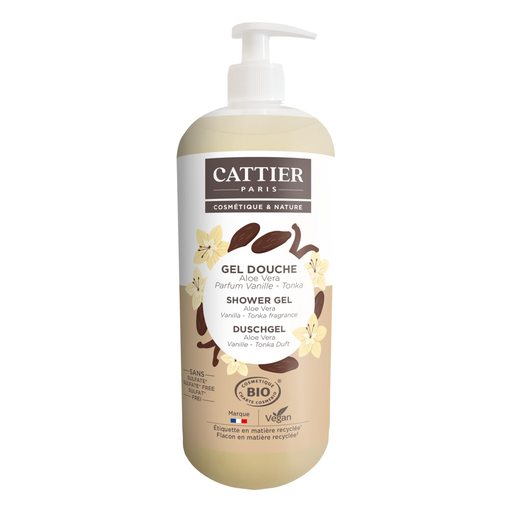
Why this choice suits this profile : Its one-litre pump bottle is suitable for daily use and means you do not need to replace the product too often. The formula is presented as certified organic, vegan, sulphate-free and soap-free, with organic aloe vera.
The large size means you do not have to buy several small bottles, while the detailed ingredients list lets you check the formula before buying.
1 000 ml format, practical pump, stated 97 % ingredients of natural origin and vanilla-tonka fragrance.
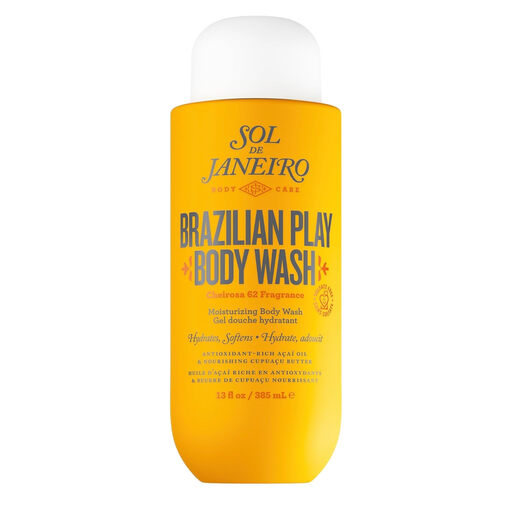
Why this choice suits this profile : Its shower cream texture, coconut oil and cupuaçu butter are ideal for those seeking a sensory experience and comfortable-feeling skin after rinsing.
The description specifies the texture, pistachio-caramel fragrance and key ingredients, rather than relying solely on an atmospheric promise.
385 ml, creamy lather, coconut oil, cupuaçu butter and indulgent fragrance.
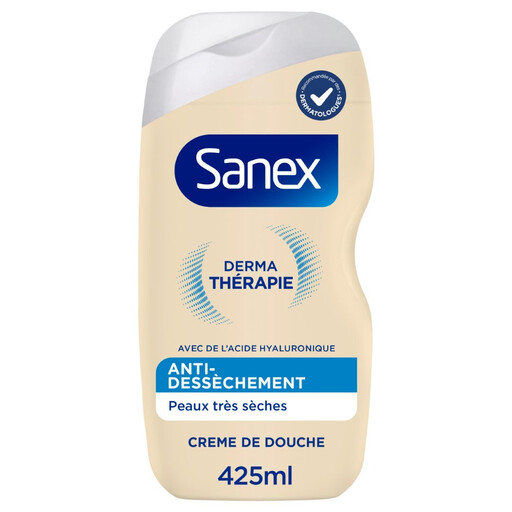
Why this choice suits this profile : This product is aimed at people looking for a shower gel for dry, sensitive skin, with a formula advertised as sulphate-free and enriched with hyaluronic acid.
The “sulphate-free” claim and guidance aimed at very dry skin allow for a more precise choice than a simple freshness claim.
425 ml, stated 0 % sulphates, stated 90 % ingredients of natural origin and hyaluronic acid.
A 250 ml shower gel is easy to carry and takes up little space. Sizes from 280 to 300 ml suit those who like to change their fragrance regularly. A 500 ml shower gel is better suited to daily use, particularly as a men’s shower gel or in a shared bathroom. The one-litre size is aimed more at households that prefer to stock up and use a pump dispenser.
To reduce waste, use a small amount, close the bottle after use and store it away from heat. An exfoliating shower gel should only be used occasionally if you have sensitive skin; the apricot kernels in the product concerned, for example, mean you must follow the recommendations on the label.
We have put together a comprehensive, real-time selection of products that meet these demanding criteria and European safety regulations.
It may suit some people’s preferences, but the “sulphate-free” claim alone is not enough to determine how well a formula will be tolerated. Also check for fragrance, preservatives and other ingredients. If a reaction persists, seek advice from a healthcare professional.
A small pea-sized amount is generally enough for the body, especially if you use a shower puff or sponge. The amount depends on the texture, lathering ability and surface area to be washed. Using more does not guarantee more effective cleansing.
Yes, provided the formula is suitable for your skin and does not cause irritation. People who are sensitive to fragrances should read the INCI list and follow the manufacturer’s warnings. If itching, redness or a burning sensation occurs, stop using the product.