
Livraison le jour même ou le lendemain

Qualité garantie

Débloquez vos offres de bienvenue: Livraison GRATUITE | Jusqu'à -80 % | 30 jours d'essai gratuits à JoyPlus
Téléchargez l'application
A shower gel shouldn’t be picked on a whim. Between promises of hydration, long-lasting fragrances, organic labels and economical large formats, some essential details can easily slip under the radar. A formula that feels lovely to use might not suit sensitive skin, while an XXL bottle isn’t necessarily a bargain if its ingredients don’t match your needs.
Here are the criteria to consider before buying a shower gel, along with a selection of products suited to different uses in the UK.
A scented shower gel makes your shower more enjoyable, but fragranced formulas can contain allergens that must be listed on the packaging. If your skin reacts easily, check for the presence of perfume, essential oils and allergens such as limonene, linalool or geraniol.
For daily use, a plainer formula with fewer fragrance ingredients may be preferable. That doesn’t mean a scented product should be ruled out – it simply needs to be chosen according to your skin’s sensitivity.
Labels like natural shower gel, hydrating shower gel or “nourishing” don’t excuse you from reading the ingredients list. Look in particular for glycerin, aloe vera, plant oils or butters, while also keeping an eye on the cleansing system used.
Even if it’s marketed as hydrating, a shower gel is still a rinse-off product. It can improve the feeling of comfort, but it won’t replace a body lotion when your skin is very dry.
A 1-litre shower gel or a family-size bottle usually means you don’t have to replace the bottle as often. But a pack that’s awkward to handle in the shower can also lead to waste. A shower gel refill becomes worthwhile if you already have a clean, compatible pump bottle.
Also remember to compare the price per litre, not just the price on the bottle. A 300 ml or 400 ml format may be more practical for occasional use or a small bathroom.
For sensitive skin, terms like “soap-free”, “colourant-free” or sulfate-free shower gel can be a useful first filter. However, they describe a formula without guaranteeing the same tolerance for everyone. A soap-free shower gel may contain other cleansing agents – so the INCI list is still essential.
For a baby, choose a formula explicitly designed for that purpose. A baby shower gel must be used under adult supervision, avoiding any direct contact with the eyes.
Glycerin helps maintain a feeling of suppleness. Aloe vera, sweet almond oil, coconut oil, shea butter and certain plant oils are often included in formulas for dry skin.
A shower cream generally offers a richer texture than a standard gel. It can suit people who want a gentle cleanse and less tightness after rinsing. Again, check for the presence of perfume and surfactants depending on your preferences and your skin’s sensitivity.
Labels are also worth a glance on the packaging. Products certified COSMOS Organic by Ecocert Greenlife, for example, meet a specific standard. The vegan claim, when it appears, means the product contains no animal-derived ingredients, according to the manufacturer’s commitments.
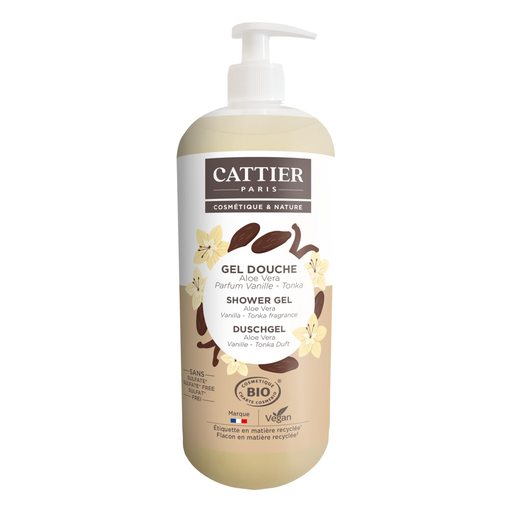
Why this choice suits this profile: Its one-litre format works well for households that want a straightforward solution for daily showers, with a certified organic and vegan formula.
The listing highlights a sulfate-free and soap-free formula, rather than relying solely on a fragrance or gentleness promise.
97% naturally derived ingredients claimed, aloe vera from organic farming and a large bottle with a pump.
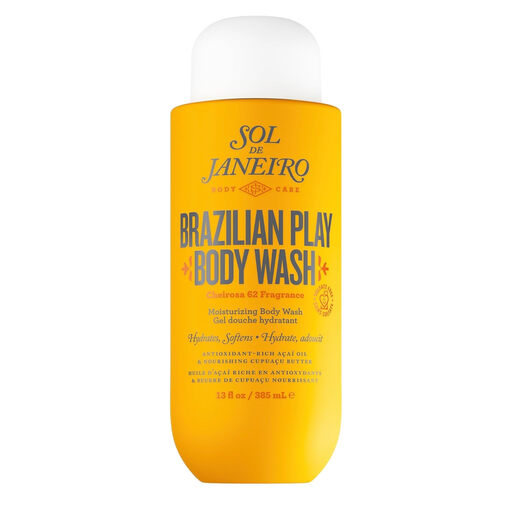
Why this choice suits this profile: Its creamy texture and pistachio-caramel scent will appeal to those for whom the sensory experience matters as much as the cleanse.
The ingredients and 385 ml volume are clearly stated, making it easy to compare the price per litre rather than being swayed by the sensory positioning alone.
Coconut oil and cupuaçu butter are listed in the formula, which comes as a shower cream.
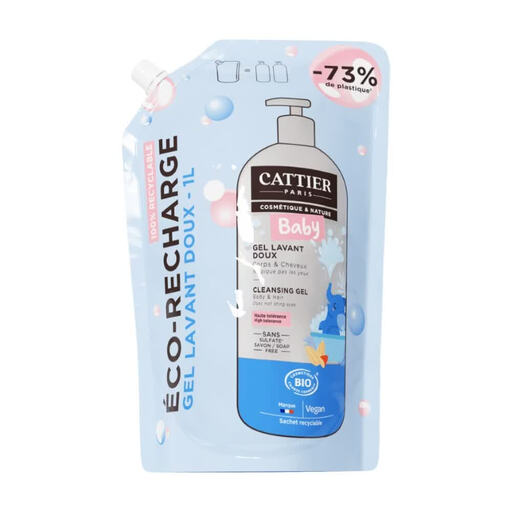
Why this choice suits this profile: This 2-in-1 refill is aimed at parents who regularly use a wash product for their baby’s body and hair.
The refill format avoids accumulating 500 ml bottles. The formula is stated to be soap-free and sulfate-free, with use possible from birth under adult supervision.
97% naturally derived ingredients, 11% from organic farming, COSMOS Organic certification and a claimed 73% plastic saving compared to two 500 ml bottles.
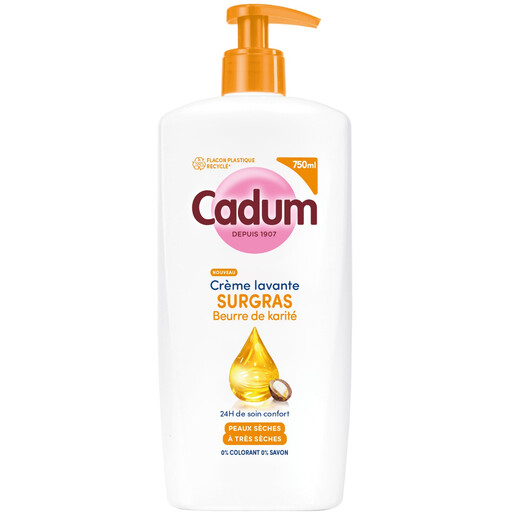
Why this choice suits this profile: Its rich texture and 750 ml volume suit regular use by several family members, from age 3 according to the product listing.
The listing states the formula is soap-free and colourant-free. It also mentions the presence of surfactants and fragrance ingredients, so you can make an informed choice.
Shea butter and sweet almond oil, a claimed pH-neutral formula and a bottle made from 100% recycled plastic, excluding components specified by the manufacturer.
We’ve put together a full selection, updated in real time, of products that meet these exacting criteria as well as European safety standards.
Start by comparing soap-free formulas, colourant-free and, if necessary, sulfate-free. A shower cream containing glycerin, sweet almond oil, shea butter or aloe vera can provide a feeling of comfort. Check the INCI list and stop using the product at the first sign of irritation.
Follow the date on the packaging as well as the open-jar symbol, which usually states the recommended period after opening. Close the bottle properly, avoid leaving it in direct sunlight and only pour a refill into a clean, completely dry container.
It can be for a family or frequent use, especially if its price per litre is lower than that of smaller sizes. However, compare the amount used per shower, the type of pump and whether you can buy a refill. A large format is only worthwhile if it’s used up under good storage conditions.