
Livraison le jour même ou le lendemain

Qualité garantie

Débloquez vos offres de bienvenue: Livraison GRATUITE | Jusqu'à -80 % | 30 jours d'essai gratuits à JoyPlus
Téléchargez l'application
Shower gel is such a common everyday product that we often choose it out of habit, drawn in by promising packaging or a trendy scent. However, behind the captivating fragrances and colourful labels lie significant differences that can impact both your skin's comfort and your wallet. As the Head of Product Recommendations at Joybuy, my mission is to help you decode labels to make an informed choice, far from the influence of advertising slogans.
Before you fill your cart, let's take a moment to break down the most common traps and the essential criteria to look for.
The body wash aisle is a jungle of promises. Learning to see through them is the first step to making the right choice.
To go beyond marketing, focus on these three aspects that define the true quality of a cleansing product.
Most shower gels use foaming agents called sulphates (the most common being Sodium Laureth Sulfate or SLES). They clean effectively and create a rich lather, but they can be stripping for more fragile skin. Sulphate-free formulas use milder surfactants, often derived from sugars or coconut. They generally foam less but are better at preserving the skin's hydrolipidic film. This is the preferred option for sensitive skin shower care or for frequent daily use.
A good hydrating shower gel does more than just smell nice. Its real added value lies in its active ingredients.
The format is a criterion that is both practical and economical. Large bottles (400?ml, 750?ml) are often more cost-effective for family use, including for a kids' shower gel. We are also seeing a rise in shower gel refills, a smart alternative for reducing plastic consumption. Finally, the traditional solid body soap is making a comeback: economical and ecological, it represents an excellent zero-waste option.
Every skin type and routine is unique. Here are some targeted recommendations to help you find the product that's right for you.
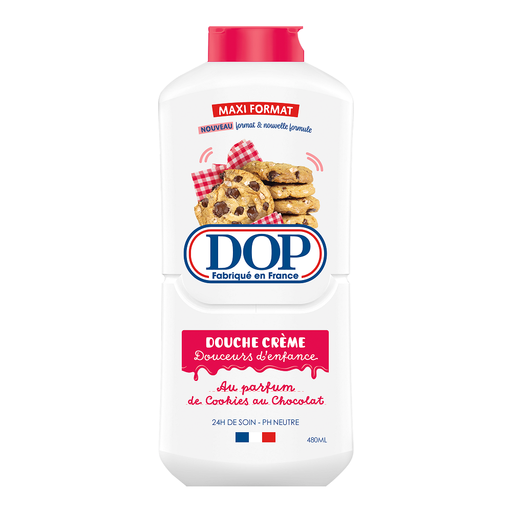
Why we recommend it: This shower gel turns bath time into playtime with its delicious cookie scent. Its large size is economical, and its gentle formula, designed for children's delicate skin, makes it a daily ally for the whole family.
It does more than just slap a "for kids" label on the bottle. It offers concrete guarantees: a pH-neutral, soap-free, dye-free formula that is dermatologically tested, ensuring a gentle clean.
Made in France (Rambouillet) with Origine France Garantie certification, a true mark of local expertise and quality.
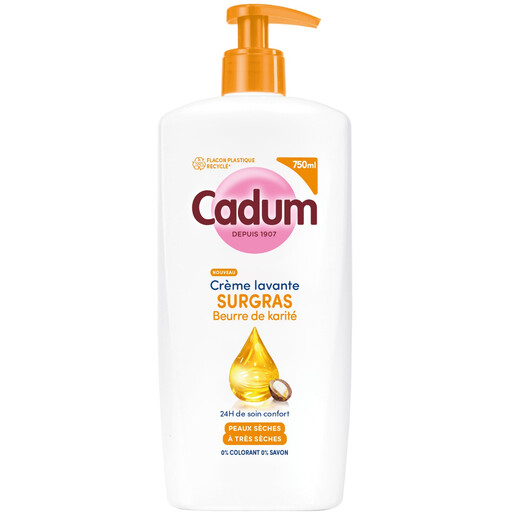
Why we recommend it: Perfect for skin that feels tight after showering, this cream is designed to provide intense nourishment. Its rich, creamy texture delivers immediate and lasting comfort, making it a true cleansing treatment.
It goes beyond a simple "hydrating" promise by being a true ultra-rich shower cream. The enrichment with shea butter and organic sweet almond oil specifically meets the nutritional needs of dry skin.
According to a clinical study by the brand, it helps reduce skin dryness by 39%. Its pH-neutral and soap-free formula respects the skin's natural balance.
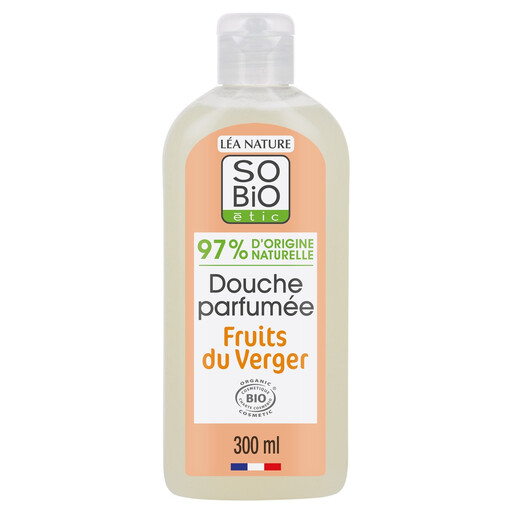
Why we recommend it: This shower gel combines a sensory experience with a strong commitment to clean ingredients. It's perfect for those seeking a transparent and respectful formula without sacrificing the pleasure of an effective fragranced shower gel.
It avoids the "fake natural" trap thanks to its organic certification and the clear display of 97% ingredients of natural origin. Its sulphate-free formula is an added guarantee of gentleness.
A clean and transparent composition: certified organic, sulphate-free, palm oil-free, paraben-free, and made in France.
Discover our complete selection of products that check all the boxes for our quality and skin-friendly criteria.
1. What is the difference between a shower gel and a shower cream? The main difference lies in the texture and composition. A shower gel has a gel-like consistency and is primarily aimed at cleansing. A shower cream, with its thicker, creamier texture, is enriched with nourishing agents (oils, butters). It is therefore better suited for dry skin that needs both cleansing and nutrition.
2. Is an organic shower gel really gentler on the skin? Not always, but it's often the case. A certified organic shower gel must adhere to a strict set of standards that excludes many potentially irritating synthetic ingredients. Furthermore, since many organic formulas are also sulphate-free, they are inherently gentler. However, a sensitivity to a natural ingredient (like an essential oil) is still possible.
3. How can I know if a fragranced shower gel will irritate my sensitive skin? For sensitive skin shower care, it's wise to be cautious with fragrances. Opt for products labelled "hypoallergenic" and check the ingredients list. Formulas with a pH-neutral balance, that are soap-free and dye-free, are an excellent starting point. If your skin is very reactive, it's a good habit to patch-test the product on a small area (like the crook of your elbow) 24 hours before use.