
Livraison le jour même ou le lendemain

Qualité garantie

Débloquez vos offres de bienvenue: Livraison GRATUITE | Jusqu'à -80 % | 30 jours d'essai gratuits à JoyPlus
Téléchargez l'application
Choosing a shower gel is about more than simply picking a fragrance or an attractive bottle. Behind a promise of hydration, a generous size or an enticing scent, you may find a formula that is not well suited to your skin — or a cost per use that is higher than it first appears.
Three common pitfalls come up time and again:
Before placing your order, it is therefore worth weighing up the ingredients, size and intended use of the product.
Ingredients in the INCI list are shown in descending order of concentration. Cleansing agents, meanwhile, influence factors such as how the product feels on the skin and how much lather it produces.
A sulphate-free shower gel can still contain other surfactants, such as decyl glucoside, sodium coco-sulphate or cocamidopropyl betaine. The absence of sulphates therefore does not guarantee that the product will suit every skin type. Also check whether the formula contains glycerine, plant oils, aloe vera or conditioning agents.
If your skin often feels tight, a shower cream or moisturising shower gel with a creamy texture may feel more comfortable for everyday use. However, claims such as ‘moisturising’ and ‘nourishing’ are still marketing terms: they should be assessed against the ingredients actually present in the formula.
A fragranced shower gel can make your shower more enjoyable, but fragrance blends may contain allergenic substances, including limonene, linalool, citronellol or benzyl salicylate.
People looking for a shower gel for sensitive skin should consider choosing a lightly fragranced formula, reading the label carefully and stopping use if redness, itching or a burning sensation occurs. You may wish to test the product on a small area before first use, following the precautions provided by the manufacturer.
Products claiming to have an organic certification should also carry a clearly identifiable label. For example, Cosmos Organic by Ecocert Greenlife provides verifiable information, unlike the simple use of the word ‘natural’.
The most common sizes range from 250 ml to 500 ml. One-litre bottles are generally aimed at families and households that use shower gel regularly.
To compare two products, look at:
A 480 or 500 ml family-size shower gel means you can shop less often. By contrast, a 250 to 300 ml bottle is easier to store in a shared bathroom, take with you when travelling or use on your own.
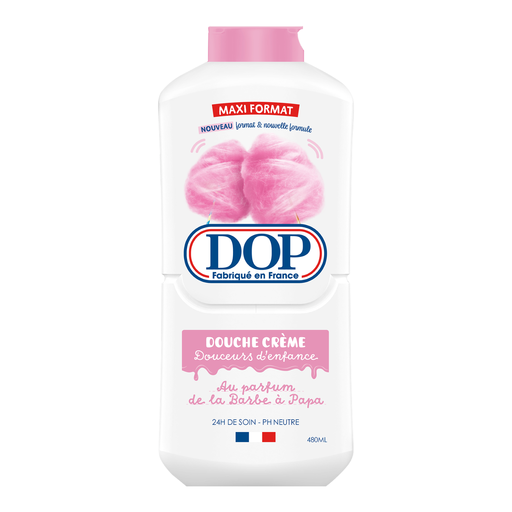
Why this choice suits this profile : At 480 ml, this bottle is well suited to regular use. Its creamy texture fits easily into a straightforward routine without adding to your collection of products.
The size makes it easy to compare the price per 100 ml, while the presence of glycerine is clearly stated in the ingredients.
480 ml size, glycerine in the formula and a cotton candy fragrance. Check the ingredients list on the bottle before buying.
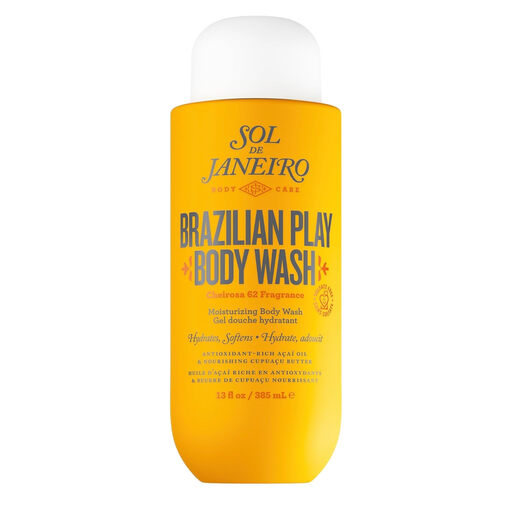
Why this choice suits this profile : This shower cream is aimed at those who value the texture just as much as the fragrance experience.
The sensory appeal is backed by a detailed formula that specifically mentions coconut oil, cupuaçu butter, glycerine and identifiable cleansing agents.
Creamy texture, pistachio and caramel fragrance and a 385 ml size. The fragrance contains limonene and benzyl salicylate, among other ingredients.
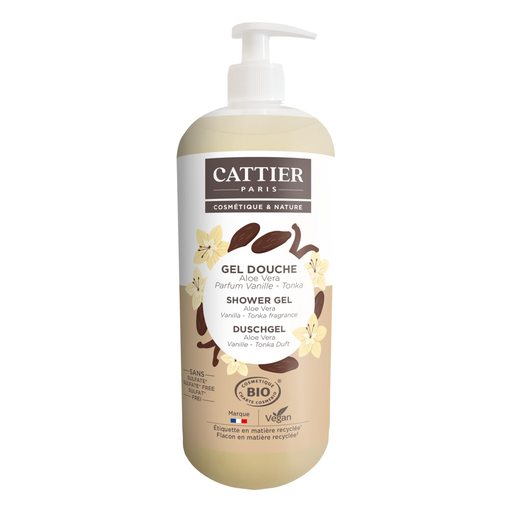
Why this choice suits this profile : Its one-litre pump bottle is designed for households that use a family-size shower gel every day.
The large size means you do not need to replace it as often, while the sulphate- and soap-free formula is clearly stated rather than hinted at through a vague claim.
One litre, aloe vera from organic farming, 97% naturally derived ingredients and Cosmos Organic certification.
We have put together a complete selection, updated in real time, of products that meet these demanding criteria while complying with European safety regulations.
Not necessarily. Compare the price per 100 ml and the amount used in each shower. A large size becomes worthwhile for a family or frequent use, especially if its pump allows you to dispense the right amount of product. Remember to keep it closed and away from heat and direct sunlight.
Shower cream generally has a richer texture and may contain glycerine, oils or conditioning agents. Shower gel is often more fluid and typically provides a refreshing sensation. However, the difference depends on the formula, not just the name printed on the bottle.
Refer to the symbol showing the period of use after opening, as well as the instructions on the packaging. Avoid leaving the cap open, diluting the product or storing it near a heat source. If its smell, colour or texture changes, stop using it.