
Livraison le jour même ou le lendemain

Qualité garantie

Débloquez vos offres de bienvenue: Livraison GRATUITE | Jusqu'à -80 % | 30 jours d'essai gratuits à JoyPlus
Téléchargez l'application
Whether for an intense workout, a long day at work, or a casual outing, finding the right pair of shoes and socks is essential for your comfort and performance. But faced with an overwhelming selection and often vague marketing claims, it's easy to make a mistake. This guide is here to provide clarity and help you make a smart choice that's perfectly suited to your needs.
A good purchase starts with knowing how to avoid the common mistakes that turn a great deal into a disappointment a few weeks later.
To make the right choice, ignore the marketing hype and focus on these few technical characteristics. They are the true hallmark of a product's quality and suitability.
The spec sheet is your best friend. For high-performance training socks, a good blend of materials is key.
For shoes, the choice between leather, synthetic, and textile depends on your activity. Modern synthetic materials, like microfibre, often offer an excellent balance of lightness, easy maintenance, and robustness for most men's and women's shoes.
This is the point of contact with the ground, so its role is crucial.
Never buy blind again! Your usual shoe size isn't an exact science, as every brand fits differently. The right approach? Measure the length of your foot in centimetres and compare it to the manufacturer's conversion chart. This is the only reliable method, whether for shoes or multipacks of socks sold in size ranges (e.g., 42-46).
To illustrate this advice, here are a few products that tick all the boxes for quality, functionality, and relevance.
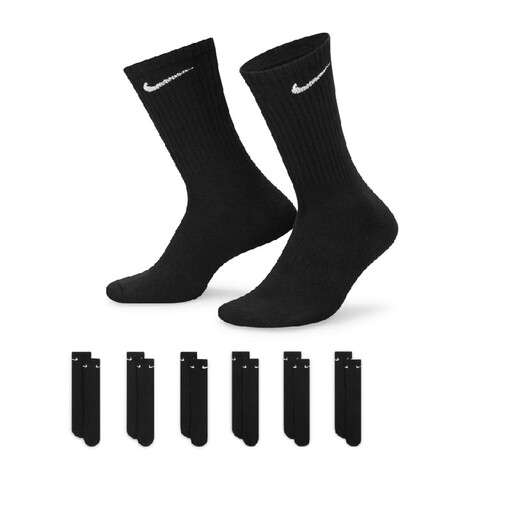
The ideal choice for: regular athletes looking for a reliable pack of socks to power through their workouts. They combine comfortable cushioning with effective sweat management.
Thanks to its Dri-FIT technology and supportive arch band, this sock won't lose its shape or slip, wash after wash and session after session.
Its thick terry sole offers excellent comfort and absorbs impact, while the Dri-FIT technology ensures your feet stay dry.
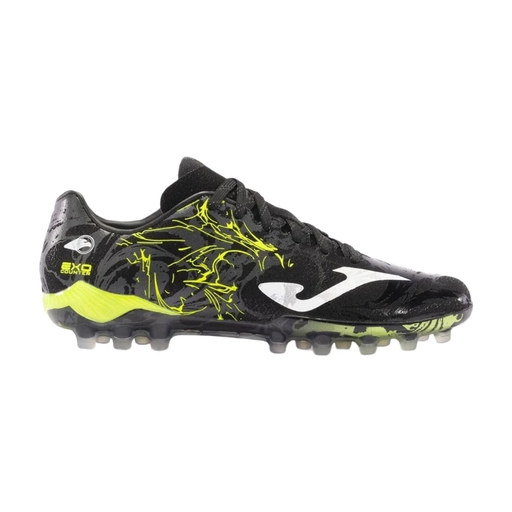
The ideal choice for: players who primarily play on artificial grass. This model is specifically designed for this surface, with perfectly adapted technology.
This model directly addresses the pitfall of an unsuitable sole. Its AG (Artificial Grass) plate is equipped with numerous short studs that ideally distribute pressure and maximise grip on synthetic turf.
A lightweight yet durable microfibre upper for excellent ball feel; reinforced toe and heel for enhanced longevity.
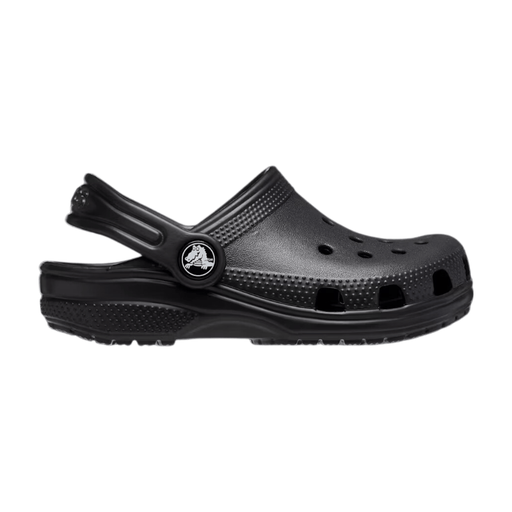
The ideal choice for: parents looking for kids' shoes that are practical, virtually indestructible, and ultra-easy to clean. Perfect for playing both indoors and out.
No more uncomfortable and impractical kids' shoes! The EVA material is both flexible and lightweight, and the pivoting heel strap ensures a secure fit that adjusts as the foot grows.
A simple wipe is all it takes to clean them. The ventilation ports allow air and water to circulate, making them the perfect companion for summer activities.
Explore our full selection of products, all rigorously selected for their quality and performance.
1. How do I choose the right shoe size online without trying them on? The only truly reliable method is to measure your foot. Place it flat on a sheet of paper, trace its outline, then measure the distance from the heel to the longest toe. All you have to do is compare this measurement in centimetres (cm) with the brand's size guide. This is essential, as each manufacturer has its own standards.
2. What's the difference between sports socks and regular socks? It's all about the technical features. Training socks are designed for performance: they use synthetic materials (polyester, polyamide) that wick away sweat, whereas traditional cotton retains it and becomes damp. They also have reinforced zones (heel, toe), targeted cushioning, and better arch support for optimal comfort and stability during exercise.
3. How often should I replace my sports shoes? There's no hard and fast rule; it all depends on your usage frequency, the sport you play, and your weight. For running, a replacement is often recommended every 800 to 1,000 kilometres. For other sports, the best indicator is visible wear and tear: if the outsole becomes smooth, if you feel the cushioning has compressed, or if the upper no longer supports your foot as well, it's high time for a replacement.