
Livraison le jour même ou le lendemain

Qualité garantie

Débloquez vos offres de bienvenue: Livraison GRATUITE | Jusqu'à -80 % | 30 jours d'essai gratuits à JoyPlus
Téléchargez l'application
Shoes piling up in the entryway, an overflowing wardrobe… This familiar chaos is a nightmare for many of us. Good shoe storage is the obvious solution, but the market is saturated with products that promise the world and often disappoint in practice. Before making your choice, it's crucial to know how to spot the design flaws that can turn a good idea into an unusable piece of furniture within a few months.
As a Product Expert at Joybuy, my mission is to help you see things more clearly. Let's move beyond marketing jargon and focus on what really matters. Here are the three most common pitfalls to avoid and the essential criteria for choosing a solution that will truly meet your needs.
To avoid these disappointments, there are a few technical points to check before you buy. Once you have these criteria in mind, your search will immediately become simpler and more reliable.
The lifespan of your shoe organiser is directly linked to the quality of its construction.
Your space is precious. The storage solution should optimise it, not clutter it.
Rather than an endless list, we've matched user profiles with products that tick all the boxes: durability, practicality, and common sense.
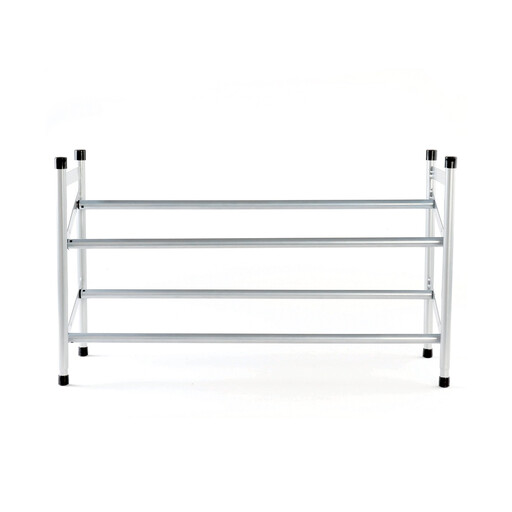
Why we chose it: Perfect for those just moving in or whose needs are changing. Its modular design adapts to a growing shoe collection as well as a new home.
Its stackable feature counters the rigid design pitfall. The epoxy-coated metal structure ensures stability that is leagues ahead of low-quality plastic options.
Modularity and durable construction. Allows you to expand storage capacity vertically without replacing the entire unit.
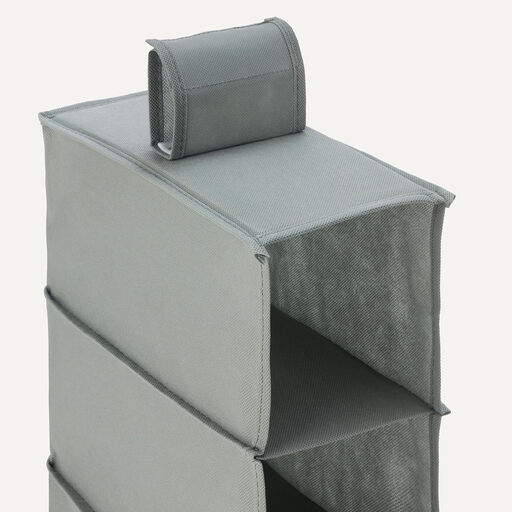
Why we chose it: Perfect for those who want to completely free up floor space. It fits inside the wardrobe, making use of vertical height—an often-wasted space.
As a wardrobe organiser, it frees up floor space. Its open design ensures natural ventilation: goodbye to the trap of moisture and bad odours.
Maximum optimisation of closet height. Smart feature: it folds up for easy storage when not in use.
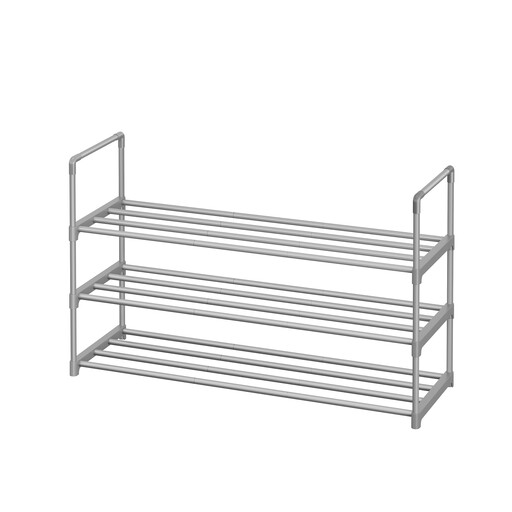
Why we chose it: The simple and effective no-frills solution for an entryway or closet. It gets straight to the point, prioritising strength and simplicity.
Its 100% quality metal tube structure avoids the deceptive sturdiness trap. Simple to assemble, yet stable once built.
Quick, tool-free assembly and supports a significant load (up to 10 kg per shelf, according to the manufacturer).
Discover our full selection of products that meet our quality charter and safety standards.
The right approach: measure the height and width of your bulkiest footwear. Compare these measurements with the usable dimensions (height and depth) of the shelves. For boots, solutions with removable shelves or hanging organisers are often the smartest options.
In general, an all-metal shelf, especially if it's treated against rust, will be more durable. However, a good fabric organiser with a sturdy metal frame can last for many years if it is well-maintained and the maximum load capacity is respected.
For tall, narrow units (like vertical shelves), it is essential to secure them to the wall to prevent any risk of tipping over, especially if you have children or pets. Most manufacturers provide an anti-tip kit for this purpose. For low, wide shelves, this is not necessary if they are placed on a flat, stable surface.