
Livraison le jour même ou le lendemain

Qualité garantie

Débloquez vos offres de bienvenue: Livraison GRATUITE | Jusqu'à -80 % | 30 jours d'essai gratuits à JoyPlus
Téléchargez l'application
With back-to-school season on the horizon or just a desire to refresh your arts and crafts supplies, a trip down the coloured pencil aisle is a classic ritual. But the experience often turns into a headache. Between leads that break, a pencil sharpener that’s nowhere to be found, and a growing pile of shavings, that promised moment of relaxation quickly becomes a chore.
In response to these minor frustrations, new solutions like sharpen-free coloured pencils are emerging. But how can you tell a true innovation from a mere marketing gimmick? To avoid buyer's remorse, it's best to know the common pitfalls.
To make an informed decision, let's focus on the features that truly determine the quality and practicality of a coloured pencil.
The heart of the problem often lies in the pencil's very design. A traditional model consists of a thin pigmented core (wax or oil) protected by a wooden casing. The catch? The wood, which makes up most of the product, systematically ends up in the bin.
The smartest alternative is the 100% lead coloured pencil. The principle is simple: it is made entirely of colouring material. This design offers two decisive advantages:
The shape of the pencil plays a crucial role in user comfort. Ergonomic coloured pencils often have a triangular shape, and it's no accident:
Perhaps the most welcome innovation is the end of the sharpening chore. 100% lead pencils self-sharpen as you use them. By simply varying the colouring angle, you can maintain a consistently functional point. The result: no more sharpeners to buy (or lose), no more mess, and a pencil that's always ready to use—at home, at school, or on the go.
Different users have different priorities. Here are a few options we recommend, tailored to specific profiles.
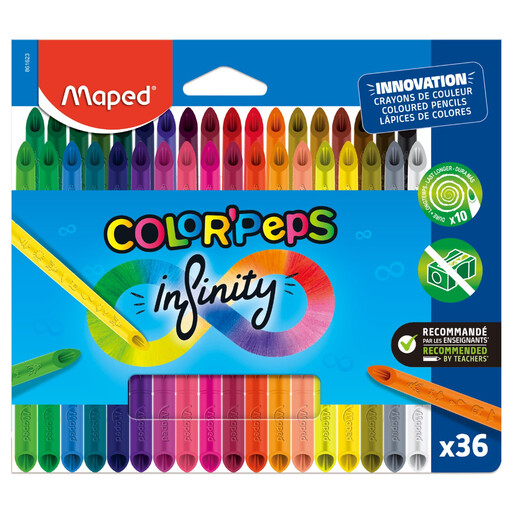
Editor's Take: For parents tired of buying new coloured pencils every term. This model checks all the boxes: longevity and practicality for intensive school use. Say goodbye to the morning sharpening routine before heading off to school.
It shatters the budget illusion. Its 100% lead design offers a far superior lifespan, making it a highly cost-effective investment for the school year. According to Maped, they last 10 times longer than a standard pencil.
Self-sharpening and zero-waste design. Its ergonomic triangular shape ensures an excellent grip and stops it from rolling away.
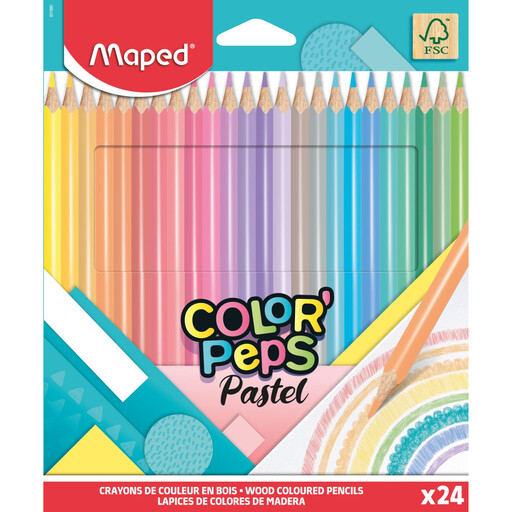
Editor's Take: For those who love the feel of wood but want to make a more responsible purchase. This option combines the pleasure of a classic pencil with the guarantee of sustainable forest management.
It provides a concrete answer to wastefulness. The FSC-certified wood guarantees it comes from sustainably managed forests—an objective criterion that cuts through vague eco-friendly promises.
FSC certification and a resistant, easy-to-sharpen lead. The ergonomic triangular shape is always a plus for comfort.
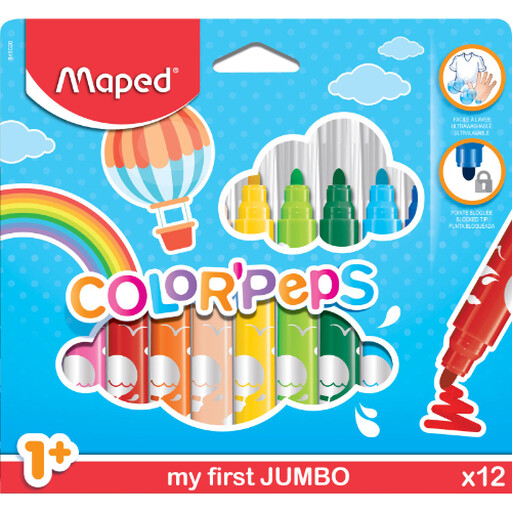
Editor's Take: For the little ones, the key criteria are safety, washability, and an easy grip. These jumbo felt-tip pens are an excellent alternative to pencils, as they eliminate the risks associated with breakable leads and sharpening.
It bypasses the "false durability" trap. Its pressure-resistant tip is designed to withstand the force of little hands without being pushed in or breaking. The ultra-washable ink provides real peace of mind when it comes to stains.
Jumbo size suitable for small hands and ultra-washable ink that comes off skin and most fabrics. Complies with toy safety regulations.
We have compiled a complete list of products that meet our strict criteria and current safety standards.
They are designed to be stronger than a traditional pencil lead and hold up well to normal colouring pressure. However, like any mineral-based object, they can break if dropped hard on a surface like tile. It's best to handle them with a minimum of care.
The concept is based on self-sharpening. As you use the pencil, the lead wears down evenly, which keeps the point consistently operational. There's no need to reshape the point with a sharpener. The entire surface of the pencil can even be used for colouring large areas, opening up new creative techniques.
Absolutely, and for several reasons. The triangular shape helps children adopt a proper hand and finger posture, which is fundamental for learning to write. It reduces muscle strain and fatigue, allowing them to concentrate for longer. Finally, the fact that they don't roll off the table is an undeniable practical advantage both in the classroom and at home.