People who have guests drop by unexpectedly
Individually portioned bites or mini chocolates can be put out without having to break up a bar. When choosing a quantity, check the stated number of pieces rather than looking only at the bag’s weight.


To serve several people without breaking up a bar of chocolate, choose individually portioned bites or mini chocolates. A selection box is a good option when tastes vary, as long as you check the ingredients in each variety. If you have a particular recipe in mind and don’t mind breaking up the chocolate yourself, bars may suit you better. Whatever you choose, adjust the quantity to suit your group and check the label on the exact product.
Individually portioned bites or mini chocolates can be put out without having to break up a bar. When choosing a quantity, check the stated number of pieces rather than looking only at the bag’s weight.
If your guests have dietary restrictions, check the ingredients and allergen information on the exact product. Take extra care with selection boxes, as the ingredients can vary between varieties.
To compare two chocolates, start with the nutritional information per 100 g, then consider how much you plan to serve. Where it appears on the packaging, the Nutri-Score can provide additional information, but it doesn’t replace the nutritional declaration.
First decide whether you want chocolate that’s ready to hand round or whether you’re happy to break it into pieces. The number of varieties, the ingredients and how much you plan to serve will help you narrow down your choice.
Choose these if: you want individually portioned pieces to hand round when sharing something at short notice.
Keep in mind: make sure there are enough pieces for your group; the format alone won’t tell you what the ingredients are.
Choose this if: you want to offer a choice of varieties to people with different tastes.
Keep in mind: each variety may contain different ingredients, so check them before serving your group.
Choose these if: you’re looking for a particular recipe and would rather decide how to share it yourself.
Keep in mind: you’ll need to break up the bars and store any that have been opened.
| What to consider | What to check | Who is it for? |
|---|---|---|
| Sharing and variety | Number of pieces, net weight and the varieties actually included. | When several people are having a snack together, I want to be able to offer pieces without breaking up a bar, with a choice if tastes differ; around 42% of consumers would put sharing first. |
| Ingredients and allergens | Ingredients list and allergen information on the exact packaging, for each of the varieties included. | If my guests’ dietary restrictions affect my choice, I need to know what the chocolate contains before putting it on the table; checking the ingredients would be a priority for around 33% of consumers. |
| Quantity and nutritional information | Weight to be served and nutritional information per 100 g, compared on the same basis. | For a small gathering, I prefer to adjust the quantity and compare the sugar content of the products I’m considering; this would be a priority for around 25% of consumers. |
According to the French Ministry of the Economy, the so-called ‘soda tax’ applies to sugary drinks, not to chocolate bars or bags sold in France.
To compare these formats, look instead at their weight, ingredients and nutritional information.
Santé publique France describes Nutri-Score as a voluntary addition to the mandatory nutritional declaration. So, the fact that a chocolate product doesn’t display it isn’t enough on its own to judge that product.
Compare the nutritional information per 100 g and the ingredients of the products you’re interested in, whether or not they display the logo.
Different varieties in the same selection box may contain different ingredients. The Milka and Côte d’Or selections described by Carrefour France and Auchan France include ingredients such as milk, soya and nuts.
Before serving a group that may have dietary restrictions, find out what those restrictions are and check the label on the exact product.
A multipack of bars needs to be broken up, unlike a bag of individually portioned pieces. A large pack weight also doesn’t tell you how many bites it contains.
Check the number of pieces where this is stated, and choose according to how you plan to serve the chocolate.
The Lindor range includes bags of chocolate bites, including a selection designed for sharing.
Its mini chocolates and selections offer two different ways to share chocolate.
The range includes bars and individually portioned chocolates to share; these formats need different preparation.
The range featured by E.Leclerc can help you compare bars, squares and other chocolate formats.
These Joybuy products include individual bars and bagged chocolate confectionery for informal sharing. Chocolate-coated treats and mini bars aren’t chocolate bars, so choose them if their format suits how you plan to serve them.
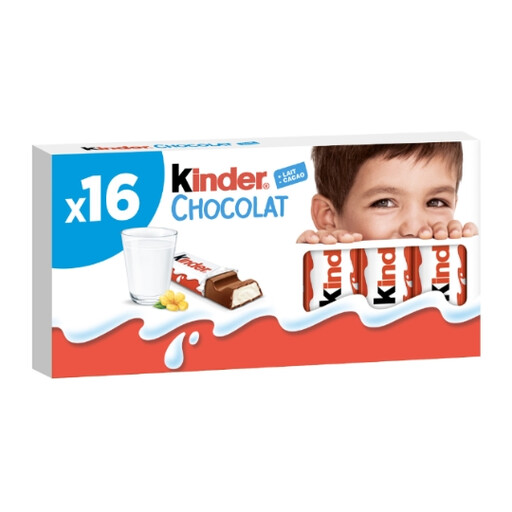 Image unavailable
The pack of 16 bars could be a good choice if you want to hand out individual portions rather than break up a bar. Before serving to people with dietary restrictions, check the ingredients and allergens on the packaging.
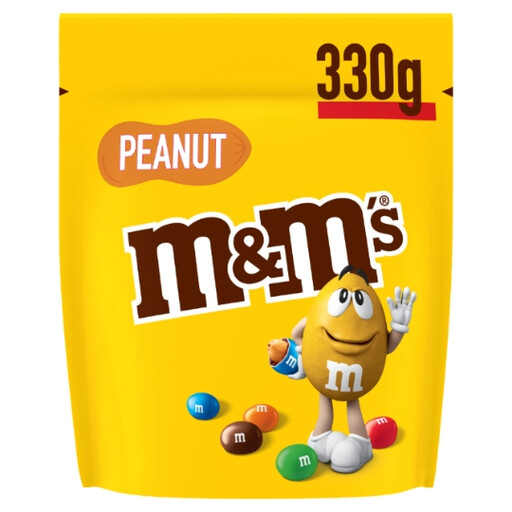 Image unavailable
This bag of milk chocolate-coated peanuts is suitable for sharing when this type of confectionery works for everyone in your group. If anyone has dietary restrictions, check the label before serving. You can also check the packaging to compare the nutritional information per serving.
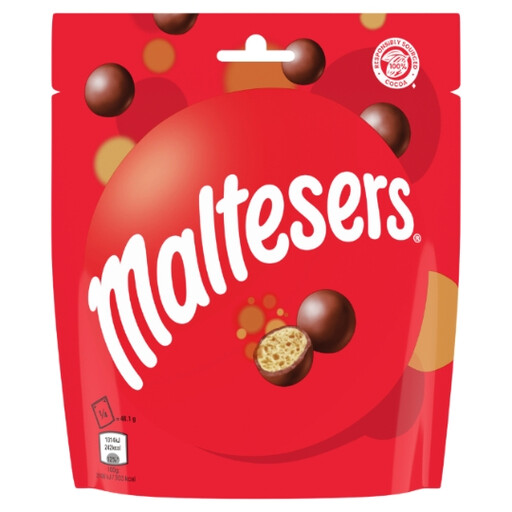 Image unavailable
The bag of chocolate treats can be put out for informal sharing. If net weight is important to your choice, check the packaging. You should also check the ingredients if anyone has dietary restrictions.
 Image unavailable
Nine pieces gives you a helpful guide for a small gathering; work out how many packs you’ll need based on the number of people. If you’re comparing sugar or saturated fat, use the information on the exact packaging.
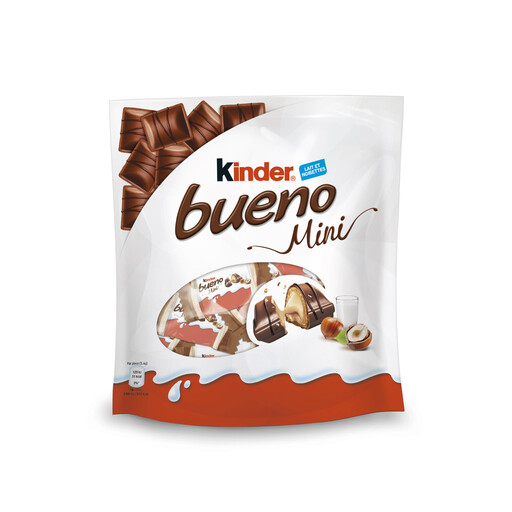 Image unavailable
This bag of mini treats could suit you if you’re looking for small pieces to offer rather than a bar to break up. Check the number of pieces if you need one for everyone, and check the ingredients before serving guests with dietary restrictions.
No. According to the French Ministry of the Economy, this levy applies to sugary drinks, not chocolate bars or bags. To compare chocolate products, check the ingredients and nutritional information on the exact product.
No. Santé publique France says displaying it is voluntary; it supplements the mandatory nutritional declaration. You can still compare the nutritional information per 100 g when a product doesn’t display the logo.
Compare the nutritional declarations on the same basis, particularly the sugar and saturated fat content per 100 g, then consider how much you plan to serve. The absence of a logo doesn’t, on its own, tell you which product suits your needs.
Yes, if anyone in your group has an allergy or other dietary restriction. Ingredients can vary from piece to piece, so read the information on the exact packaging before offering the selection.
Reseal it and follow the manufacturer’s storage instructions. Also check the date on the packaging: Anses distinguishes between a best-before date, which relates in particular to the product retaining its quality, and a use-by date.