What should you check before choosing?
First decide how your group will help themselves, then consider where the chocolate will be kept between travelling and eating it. A bar to break up, individually portioned chocolates and bags of bite-sized treats each meet these needs differently.
| What to consider |
What to check |
Best for |
| Heat and transport |
Storage instructions; whether you can keep the pack closed, dry and out of the sun. |
If the chocolate will be in a bag while you’re out and about, keeping it in good condition matters more than having a range of flavours. Around 31% of consumers would prioritise how well it holds up in transit. |
| Portions and sharing |
Number of pieces and whether they’re individually wrapped; whether the bag can be resealed. |
If there’s nowhere clean to break up a bar, I’d rather everyone could take a portion without touching the rest. Around 25% of consumers would put this ease of serving first. |
| Allergens |
The ingredients list and any ‘may contain’ warnings on the exact product, especially for an assortment. |
If someone in your group needs to avoid an ingredient, the words ‘dark chocolate’ or an individual portion aren’t enough to make your choice. Around 25% of consumers would put checking allergens first. |
| Nutrition information |
Nutrition values per 100 g, especially the ‘of which sugars’ line; the Nutri-Score if it appears on the pack. |
If I’m comparing two recipes with different bag sizes, I want to see their values on the same basis. Around 19% of consumers would put this nutritional comparison first. |
For a like-for-like comparison, the DGCCRF says that nutrition declarations for relevant prepacked foods are given per 100 g or 100 ml. Santé publique France explains that displaying the Nutri-Score is voluntary, so if it’s not shown, you’ll still need to check the nutrition information.
Chocolate to share on Joybuy
These products are mini bars or bags of chocolate confectionery to share. For a camping trip or festival, distinguish between individually wrapped pieces and bags that everyone helps themselves from. None of these bags is a large bar to break up.
 Image unavailable
KitKat Strawberry Short Cake, 9 pieces, 104.4 g
The nine mini bars make it easy to plan how you’ll hand them out, without breaking up a bar. If anyone in your group has dietary restrictions, check the label: the information for this product lists milk, wheat and soya. Keep the chocolate cool and dry while travelling.
View on Joybuy
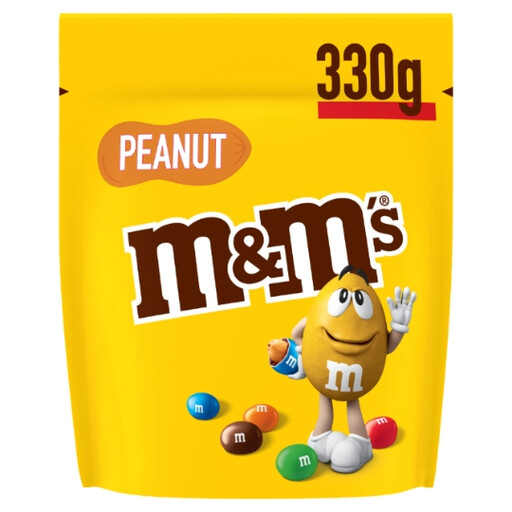 Image unavailable
M&M’S Peanut, 330 g
This bag of milk chocolate-coated peanuts is suited to a sharing style where everyone takes a few sweets, rather than handing out mini bars. It contains peanuts and milk; the product information also warns that it may contain almonds and hazelnuts. Check the pack for serving sizes and nutrition values.
View on Joybuy
 Image unavailable
Maltesers milk chocolate bites, bag with a crunchy centre
The bag lets you share bite-sized chocolates without breaking up a bar. If you need to plan how many pieces each person will get, check both the weight on the pack and the number of chocolates, as the weight information listed for this product varies. Check the ingredients too if anyone in your group needs to avoid milk, wheat or soya.
View on Joybuy
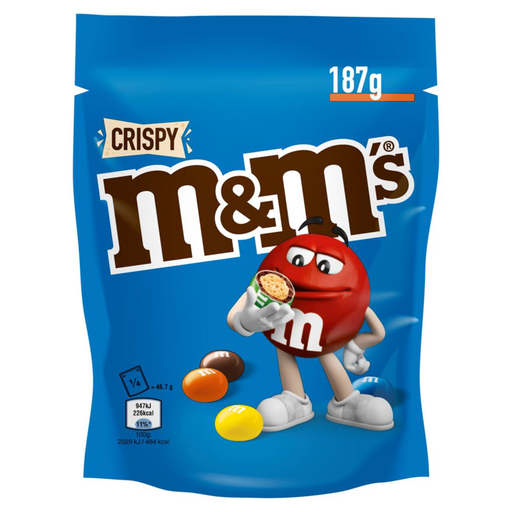 Image unavailable
M&M’s Crispy bag, 187 g
This bag of chocolate confectionery is for sharing by taking pieces from the bag. Don’t assume it’s a substitute for individually wrapped portions without checking the pack. The product information lists milk and cereals containing gluten, and says it may contain peanuts and tree nuts. Store it somewhere cool and dry.
View on Joybuy
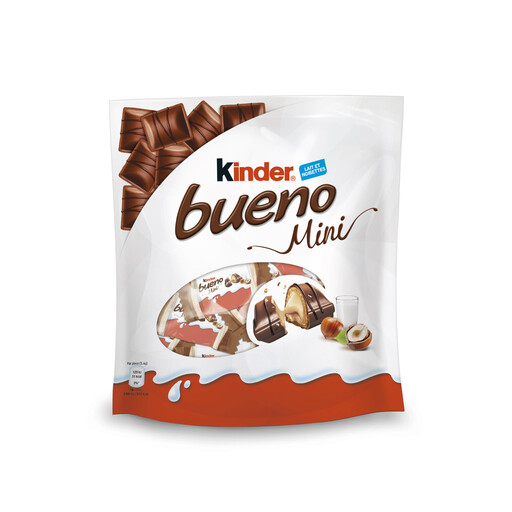 Image unavailable
Kinder Bueno Mini, 108 g
The resealable bag may suit a group that will be helping themselves at different times. If you want to plan individual portions, check the pack for the number of pieces and how they’re wrapped. The ingredients listed for this product include hazelnuts, milk, wheat and soya. Protect the bag from heat and moisture.
View on Joybuy
Frequently asked questions
Does the French soft drinks tax apply to chocolate bars and bags?
No, not when they’re chocolate bars or bags. The text published on Légifrance defines this contribution for drinks and liquid drink preparations that meet its conditions. To compare chocolates, check their nutrition values per 100 g instead.
Is the Nutri-Score compulsory on chocolate sold in France?
No. According to Santé publique France, producers display it voluntarily. The DGCCRF distinguishes this logo from the nutrition declaration required for relevant prepacked foods. Check the declaration to compare sugars and fats per 100 g, among other values.
How should you store chocolate during a festival?
Keep it closed, dry and out of the light, and don’t leave it somewhere hot. Valrhona recommends storing chocolate between 16 and 20 °C. If you can’t keep it within these conditions, take an amount you can serve soon and protect it as much as possible during transport.
How do you check the allergens in a sharing bag?
Read the ingredients list and any warnings about possible traces on the exact pack before offering it to the group. The DGCCRF says that allergens must be highlighted. Don’t assume they’re absent based on the chocolate’s colour, the brand or the bag format alone.


