Housemates and other households sharing meals
When plates, glasses and utensils pile up throughout the day, capacity and basket layout matter just as much as being able to run a cycle at the right time.


If several people create dirty dishes every day and you have confirmed there’s enough space and the necessary connections, start by comparing standard 60 cm dishwashers. The 14-place-setting models featured here can wash more dishes in one cycle than a compact 6-place-setting model. Choose a freestanding or integrated model to suit your kitchen; a compact dishwasher is mainly for when space is limited. Then check the Eco programme duration, water and energy consumption, and noise level of the model you’re considering.
When plates, glasses and utensils pile up throughout the day, capacity and basket layout matter just as much as being able to run a cycle at the right time.
If someone is working, eating or sleeping nearby while the dishwasher is running, compare the dB noise level and noise class shown on each appliance’s label.
A compact model may fit where a standard dishwasher won’t. Before choosing this size, compare its capacity with the amount of washing-up produced between cycles.
First, check the space and existing connections, then choose a capacity that suits your daily loads. Next, use the energy label to compare the Eco programme conditions, as explained by ADEME and the European Commission.
Worth considering: if you have a space of around 60 cm and your household can regularly fill a large dishwasher.
Keep in mind: this size takes up more space than a compact model; check the available depth and height too.
Worth considering: if the appliance needs to fit into a unit and work with a compatible cabinet door.
Keep in mind: the housing unit, installation height and door requirements vary by model and need to be checked.
Worth considering: if there isn’t room for a standard dishwasher or you have smaller loads.
Keep in mind: a capacity of 6 place settings may mean running several cycles to wash the daily dishes of multiple people.
| Criteria | What to check | What you need |
|---|---|---|
| Capacity | Compare the number of place settings, basket layout and external dimensions. Check the available space before choosing a size. | There should be room for the dishes from several meals without always having to wait for a second load. The baskets should also fit the dishes and utensils your household uses. |
| Water and energy | According to ADEME, the label shows energy use in kWh per 100 standard cycles and water use in litres per cycle. Compare these figures alongside capacity, rather than looking at the energy class alone. | I want to compare the consumption of an Eco cycle while also taking into account how many cycles we’ll need to wash our dishes. |
| Noise | Compare the dB levels and noise classes shown for each model. Check separately the conditions for any quieter programme. | In an open-plan kitchen, I want to be able to choose when to run the dishwasher without disturbing anyone in the living area. |
| Cycle duration | The European Commission states that the label gives the duration of the Eco programme. Check the conditions for other programmes on the model’s product page. | The dishes need to be ready in time between meals; an occasional quick cycle doesn’t replace checking the Eco programme duration. |
| Installation | Check the available space and existing connections. For an integrated model, compare the housing unit measurements and cabinet door specifications with the model’s instructions. | I want to choose an appliance that will genuinely fit in my kitchen, rather than assuming a cabinet will work just because its stated width seems right. |
The Candy CP 6E51LS has 6 place settings and uses 6.5 L per cycle according to the product pages cited, compared with 14 place settings for the standard Bosch and Beko models featured here. If all your dishes won’t fit in one load, the number of cycles becomes a key factor.
Compare capacity, litres per Eco cycle and kWh per 100 cycles, then estimate how many loads your household would run with each size.
ADEME and the European Commission say that the label also gives water consumption, Eco programme duration, capacity and noise level. These criteria can carry different weight in a kitchen used by several people.
Make a note of the same indicators for each appliance you’re comparing, keeping the programme and unit alongside each figure.
Requirements vary by model: Beko specifies an installation height of 82 to 87 cm and a cabinet door weighing 3 to 9 kg for the BDIN18441.
Measure the housing unit and check the cabinet door, then compare them with the instructions and product details for the appliance you’re considering.
These examples give you an idea of the formats and specifications available; they aren’t a ranking of the brands.
The SMS4EVW36F is an example of a standard freestanding dishwasher for a kitchen that can accommodate an appliance 60 cm wide.
The BDIN18441 is an example of a 14-place-setting integrated model for a kitchen with a suitable unit.
The CP 6E51LS is an example of a tabletop compact model for a kitchen where space limits your choice of size.
The freestanding range includes the G 5811 SC Front Active Plus, whose listed specifications can help you compare noise and energy use.
These models are mainly large-capacity freestanding dishwashers, with an integrated option for kitchens with a suitable unit. Compare their listed specifications with your available space and washing-up routine.
 Image unavailable
Its stated capacity of 14 place settings suits a shared daily load. The product page lists 7 programmes, a third rack, 95 kWh per 100 cycles, 10.5 L per cycle and 44 dB; check the Eco programme duration if it affects when you can run the dishwasher.
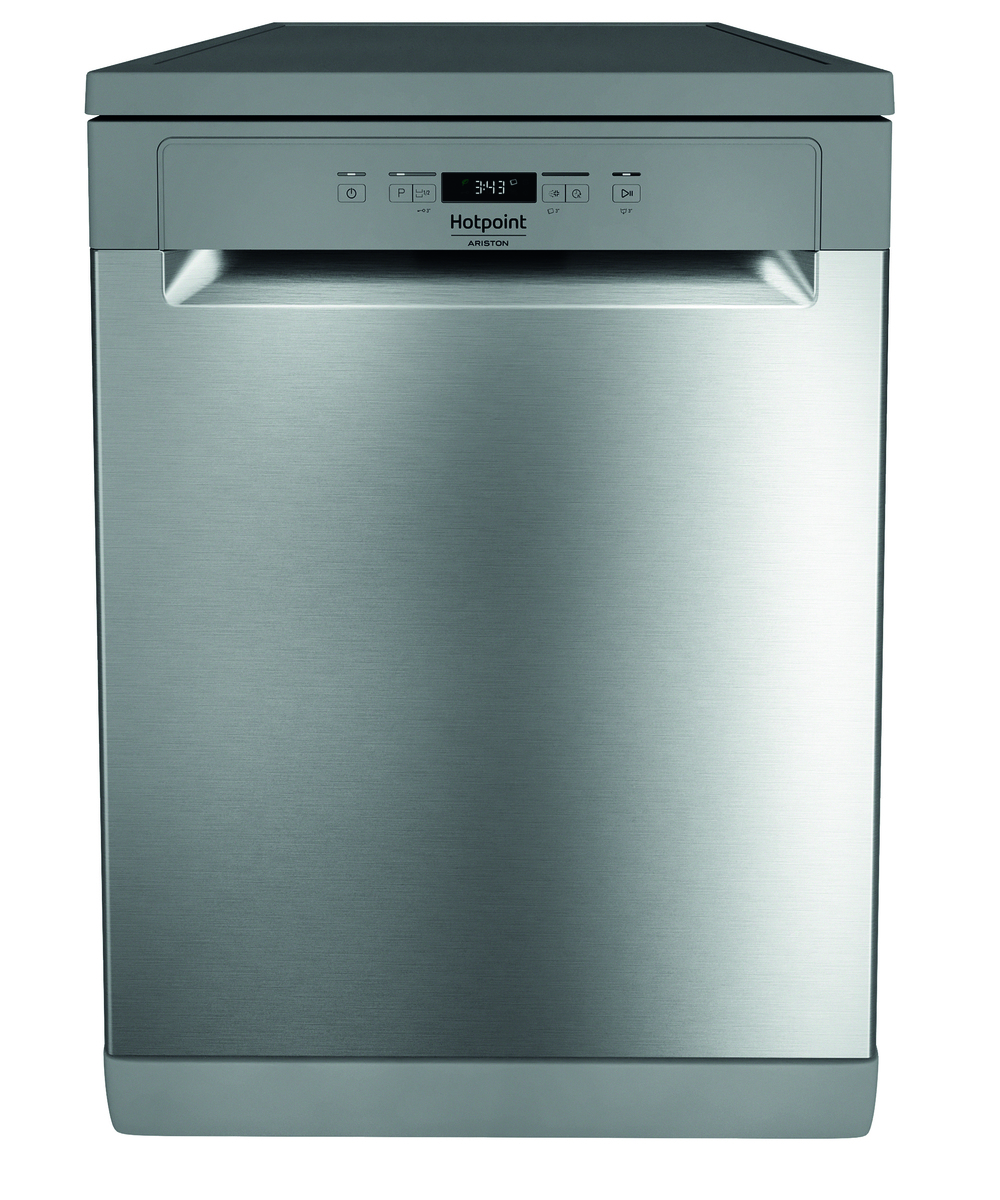 Image unavailable
This freestanding model can handle dishes for several people if you have the space for it. The product page lists 85 kWh per 100 cycles, 11.5 L per Eco cycle and 46 dB; the Eco programme lasts 5 h, so check that this suits your household’s routine.
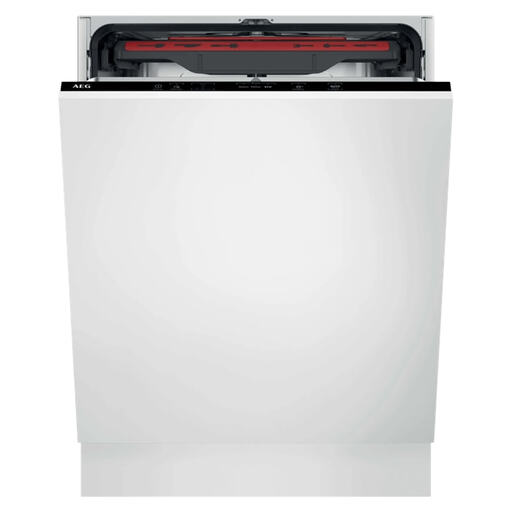 Image unavailable
Worth considering if your kitchen has a compatible unit and cabinet door. The product page lists 10.5 L and 0.75 kWh per Eco cycle, 44 dB and an Eco programme duration of 240 minutes. The stated width varies between 60 and 68 cm: confirm the exact dimensions and that the space is suitable before buying.
 Image unavailable
Its 14 place settings and adjustable upper basket are worth considering for shared loads. The product page lists 9.5 L per cycle, 46 dB and an 85-minute Push&Go programme at 50 °C; check the energy label for a comparison of kWh per 100 cycles too.
 Image unavailable
If your kitchen is used at times when noise matters, compare its stated 41 dB with the other models you’re considering. The product page lists 14 place settings and around 9.5 L per Eco cycle; check the Eco programme duration and energy use in kWh per 100 cycles too. The door opens automatically at the end of the cycle, releasing hot steam, so bear this in mind if children are nearby.
If you have enough space and the necessary connections, start by comparing standard 60 cm dishwashers: the Bosch and Beko examples mentioned here hold 14 place settings, compared with 6 for the compact Candy. Choose a freestanding or integrated model to suit your kitchen units, then check the actual dimensions of each model.
No: its duration needs to fit when your household needs the dishes back. The Eco programme is the reference for the consumption figures on the label, according to the European Commission; check the conditions for quick or Auto cycles separately if you need a one-off wash.
Compare the dB level and noise class shown on the label rather than relying on the word ‘quiet’. Think about when the dishwasher will be running and check the specifications for the exact model.
Check the housing unit dimensions, installation height, cabinet door and existing connections, then consult the model’s instructions. For example, Beko specifies an installation height of 82 to 87 cm and a door weighing 3 to 9 kg for the BDIN18441; these figures don’t apply to other appliances.