Which criteria should you check first?
Start with the washing-up generated between cycles, then weigh up your preferred capacity against the available space and the needs of shared living.
| Criteria | What to check | Your needs |
|---|
| Capacity and loading |
Compare the number of place settings with the space available for larger utensils. Check the adjustable baskets and cutlery storage on the specific model. Beko France lists a capacity of 14 place settings for the BDEN38441WA; Whirlpool France lists up to 15 for the W7FHS31S. |
‘We cook together and want to fit the dishes from our meals in without leaving pans out.’ |
| Size and installation |
Measure the space, then check the dimensions and installation instructions. For an integrated model, check the housing and cabinet door, as well as the available water inlet, drainage and power supply. |
‘The kitchen is narrow’ points to a size that needs careful measuring; ‘there’s already a dedicated space’ means checking whether an integrated model will actually fit. |
| Noise |
Compare the dB rating and noise class on the labels of the models you’re considering. The European Commission includes noise emissions among the information shown on dishwasher energy labels. |
‘A cycle might run while someone is working from home or resting’: noise matters just as much as when the appliance will be used. |
| Water and electricity |
According to ADEME, the label shows energy use in kWh per 100 standard cycles and water use in litres per standard cycle. Also check the Eco programme duration, which is shown on the label according to the European Commission. |
‘We share the household bills’: I want to compare figures based on the same standard cycle, without confusing them with figures for other programmes. |
| Cycle frequency |
Match the capacity to the number of meals between washes. For a smaller model, check that it can hold the household’s dishes without requiring cycles at inconvenient times. |
If everyone eats at different times, we’ll need to agree when to load, run and unload the dishwasher. |
Branded models to compare
These examples showcase different sizes and interior layouts. Their specifications don’t automatically apply to other models from the same brand.
Beko
The BDEN38441WA is a 60 cm freestanding model worth considering if your household shares a large volume of washing-up.
- Beko France lists a capacity of 14 place settings for this model.
- Check the noise level, energy use and dimensions of the model you’re considering: the BDEN38441WA’s capacity doesn’t represent the whole range.
Bosch
The fully integrated SMV25EX02E is an example of an interior layout to consider if your kitchen has a compatible space.
- Bosch Home Appliances describes this model as having an adjustable Rackmatic upper basket and a cutlery drawer.
- These features apply to the SMV25EX02E; check the configuration and installation requirements of any other model.
Electrolux
The EEM48330L and ESL2500RO give you two options with different built-in sizes.
- Electrolux France lists 14 place settings and 42 dB for the 60 cm fully integrated EEM48330L.
- Its compact ESL2500RO is listed at 6 place settings and 49 dB. Check that this capacity will suit shared meals before choosing this size.
Whirlpool
Two freestanding models let you compare the space available with the amount of washing-up you expect.
- Whirlpool France lists the W7FHS31S as having a capacity of up to 15 place settings, and the 45 cm WSFO3T223P as having 10.
- For the WSFO3T223P, check the current energy label before comparing its energy use.
Dishwashers available on Joybuy
These models are mainly suited to housemates looking for a freestanding dishwasher for shared loads. An integrated model is also included for kitchens with a compatible space. Compare each option with the space and the washing-up generated in your household.
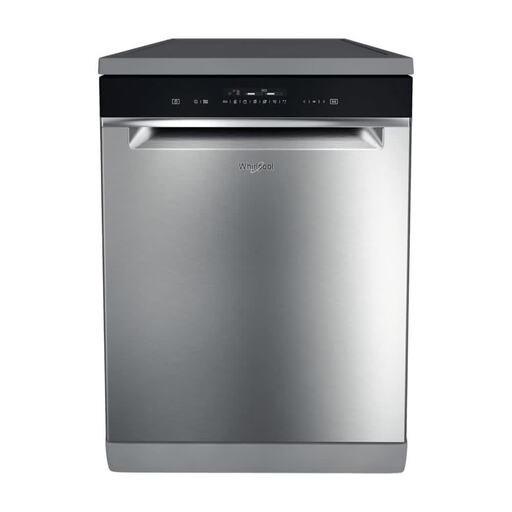 Image unavailable
Whirlpool WFP5O41PLGX freestanding dishwasher, 60 cm, 14 place settings
Worth considering if several housemates regularly fill the dishwasher between cycles. The title lists 14 place settings and a C energy rating. Before deciding where to put it, confirm the exact dimensions: the stated width for this model is inconsistent across listings.
View on Joybuy
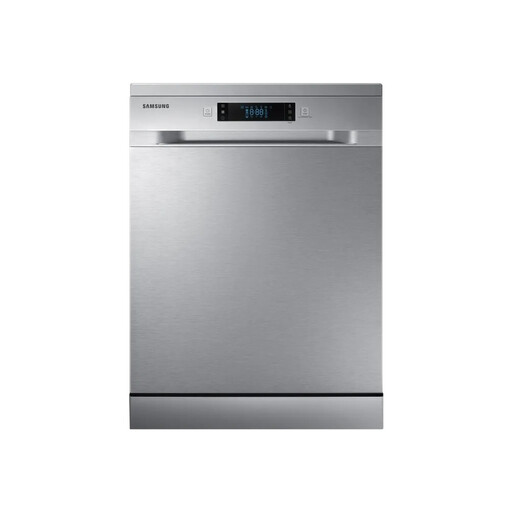 Image unavailable
Samsung DW60M6050FS freestanding dishwasher, 14 place settings
Its stated capacity of 14 place settings is worth comparing with the amount of washing-up you generate between meals. The title lists seven cycles. If you plan to install it under a worktop, check the installation instructions and required dimensions rather than relying on the ‘freestanding’ description alone.
View on Joybuy
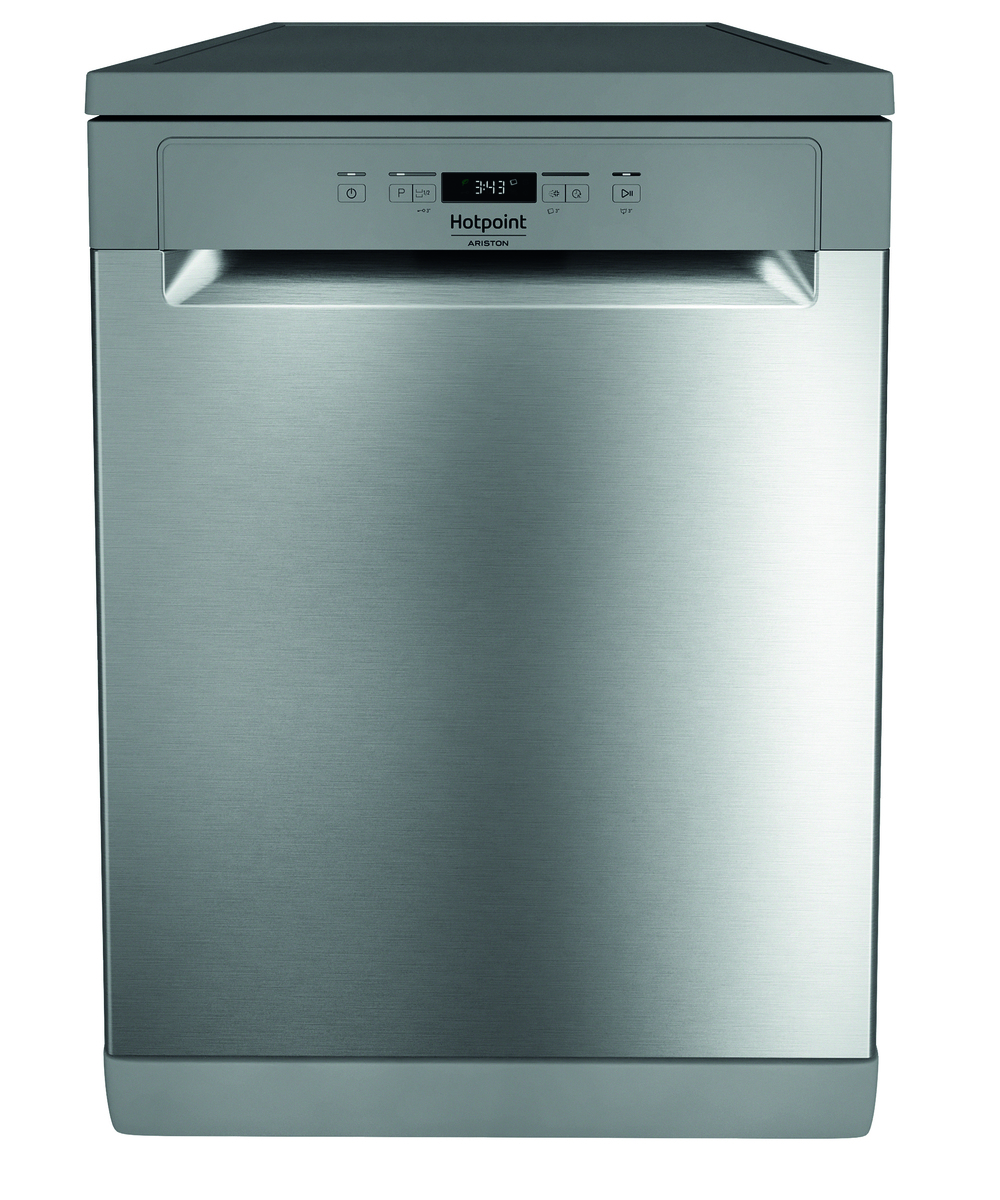 Image unavailable
Hotpoint H3FFD636X freestanding dishwasher, 60 cm, 14 place settings
This stated capacity may suit a shared load if you have space for a 60 cm model. The title lists a D energy rating. To help organise chores between housemates, check whether the stated five-hour Eco programme suits your household’s schedules.
View on Joybuy
 Image unavailable
Indesit D2F HK26 S freestanding dishwasher, 60 cm, 14 place settings
Compare the stated capacity of 14 place settings with the number of meals and utensils your household needs to wash. The title lists an E energy rating. If noise or how energy use is shared is particularly important, compare the figures on its energy label with those of the other models you’re considering.
View on Joybuy
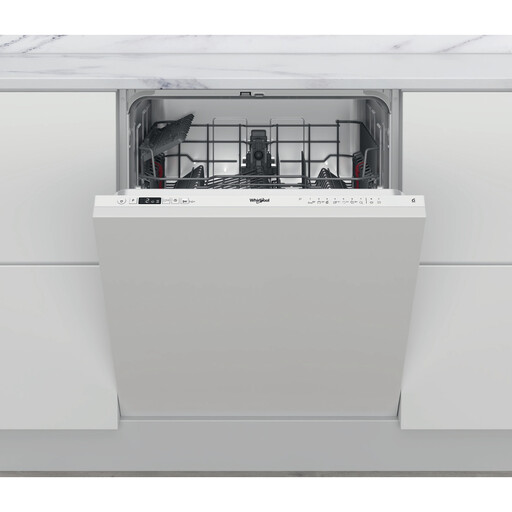 Image unavailable
Whirlpool W2I HD526 A integrated dishwasher, 60 cm, 14 place settings
This 14-place-setting model is worth considering if your shared kitchen has a suitable space for a 60 cm integrated dishwasher. The title lists an E energy rating. Check the required dimensions for the housing and cabinet door, as well as the installation instructions, before making any changes to the property’s fixtures and fittings.
View on Joybuy
Frequently asked questions
Do you need your landlord’s permission to install a dishwasher in a rented property?
If the installation involves altering the rented property or its fixtures and fittings, Article 7 of the French law of 6 July 1989, published on Légifrance, requires the landlord’s written consent. Simply connecting to existing fittings shouldn’t automatically be treated as an alteration: check what the installation involves and ask for consent before making any necessary changes.
What should you compare on a dishwasher’s energy label?
Compare capacity, kWh per 100 standard cycles, litres of water per cycle, the Eco programme duration and noise. ADEME and the European Commission explain the information shown on the label. For a shared house, also check the basket layout, which these figures don’t tell you about.
Can a 45 cm dishwasher be big enough for several housemates?
Yes, if the washing-up generated between cycles fits the model’s capacity and its smaller width addresses a genuine space constraint. Whirlpool France lists 10 place settings for the 45 cm WSFO3T223P, compared with 14 or 15 place settings for some 60 cm models cited by Beko France and Whirlpool France. Also consider how often you’re willing to run the dishwasher.
When should you consider a compact dishwasher for a shared house?
Consider one if space is very limited and the household’s combined washing-up is modest. Electrolux France lists 6 place settings and 49 dB for its compact integrated ESL2500RO. Compare these specifications with the dishes you actually use and the times when you’ll be able to run a cycle.


