
Livraison le jour même ou le lendemain

Qualité garantie

Débloquez vos offres de bienvenue: Livraison GRATUITE | Jusqu'à -80 % | 30 jours d'essai gratuits à JoyPlus
Téléchargez l'application
The secret to authentic Chinese cuisine? It's often one game-changing ingredient: Shaoxing wine. If you've ever tried to recreate the inimitable flavour of Dongpo pork or a Kung Pao chicken marinade at home, you know just how essential this rice wine is. Yet, when faced with a shelf full of bottles, choosing the right one can be a challenge.
As a product expert at Joybuy, I'm here to guide you. This guide provides the keys to selecting a quality Chinese cooking wine and offers a curated selection for everyone, from the passionate home cook to the restaurant professional.
To make the right choice, it's important to understand a few key distinctions. Here are three essential points to check before you buy.
Your first step: look for the "cooking wine" label. A Shaoxing wine intended for cooking typically contains salt (around 1–1.5%). This addition serves a dual purpose: it makes the wine unsuitable for drinking, which can exempt it from certain alcohol taxes, and it acts as a preservative.
A drinking wine, by contrast, is unsalted and often aged longer. It can be used in cooking for highly refined dishes where aromatic purity is paramount, but a salted Chinese cooking wine is perfectly suited for the majority of recipes, especially marinades and braised dishes.
The authenticity of a Chinese rice wine comes down to its ingredients and production process. Traditional Shaoxing wines are brewed from three key ingredients:
A product that lists these traditional ingredients is often a guarantee of quality and a sign of respect for the original flavours of Chinese yellow wine.
Bottle size is a purely practical consideration. For occasional home use, a 500?ml bottle is usually sufficient. It allows you to preserve the product's freshness without cluttering your cupboards.
For professionals or families who frequently use this Asian cooking ingredient, larger formats (3?L and up) offer much better value and ensure you always have a steady supply for preparing rice wine marinades or large batches of sauces.
Based on these criteria, we have selected three top products that cater to distinct needs, from the gourmand seeking authenticity to the budget-conscious restaurateur.
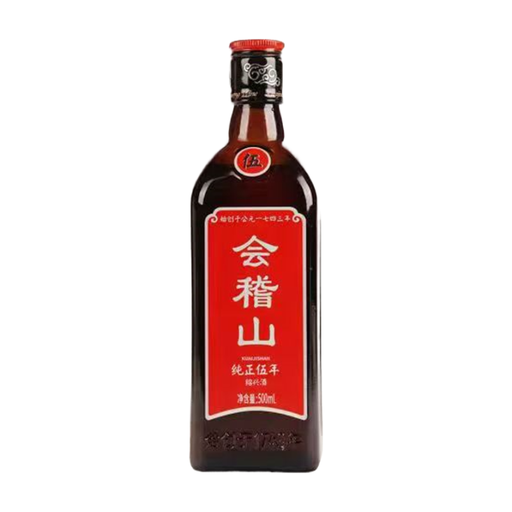
What makes it special Crafted in strict adherence to tradition, this Shaoxing wine uses water from Jianhu Lake, glutinous rice, and wheat. Its five-year aging process gives it a remarkable aromatic complexity. It is also classified as a "Superior Grade Product" under the Chinese national standard GB/T17946.
Highlights
Best for Cooks and gourmands seeking an authentic, deep flavour. It is especially recommended for dishes where the wine is the star of the sauce, such as Drunken Chicken or braised recipes.

What makes it special This rice wine for cooking is all about convenience. Already infused with the aromas of scallion and ginger—two pillars of Chinese marinades—it is specially formulated to neutralise the strong odours of meat and fish.
Highlights
Best for Everyday cooks looking for a quick and effective solution. It's the perfect choice for whipping up a rice wine marinade or deglazing a wok in an instant.
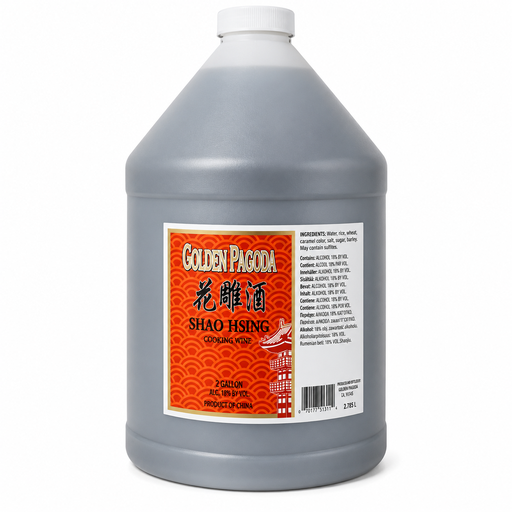
What makes it special This Shao Hsing wine stands out with its extra-large 3.785-litre format (the equivalent of a US gallon), making it a highly economical option for heavy use. It features the typical aromatic and slightly sweet character of Shaoxing wine, with an alcohol content of 14% ABV and 1% salt.
Highlights
Best for Restaurants, caterers, and large families who use Chinese cooking wine in large quantities. It's a reliable and economical pantry staple.
The world of Asian cooking alcohols extends far beyond Shaoxing wine. If our selection doesn't quite meet your needs, or if you're curious to discover other flavours like Japanese mirin or Korean cooking sake, our complete catalogue has plenty to surprise you.
Explore our Selection of Asian Alcohols to find the ingredient that will elevate your next dishes.
The most common substitute is dry sherry, which shares a similar aromatic profile (notes of nuts and dried fruit). However, the taste will not be identical. For a truly authentic flavour, especially in dishes where the wine plays a central role, nothing replaces genuine Shaoxing wine.
Yes, it is a rice wine for cooking. Its alcohol content is typically around 14% ABV, a level comparable to that of a standard table wine. Rest assured, most of the alcohol evaporates during cooking, leaving only the wine's complex aromas behind.
Store it in a cool, dry place away from direct sunlight, making sure to seal the cap tightly after each use. Thanks to its salt content, cooking wine keeps perfectly for several months at room temperature. There's no need to refrigerate it.