
Livraison le jour même ou le lendemain

Qualité garantie

Débloquez vos offres de bienvenue: Livraison GRATUITE | Jusqu'à -80 % | 30 jours d'essai gratuits à JoyPlus
Téléchargez l'application
Hair that becomes greasy quickly can often make you want to wash it more frequently. However, switching to a harsher shampoo or using more product does not always solve the problem. To choose a shampoo for oily hair, you first need to distinguish between excess sebum, styling-product residue and lengths that may actually need more nourishment.
A purifying shampoo should remove sebum, dust and residue without making your scalp feel uncomfortable. A highly cleansing formula may create an immediate impression of cleanliness, but it is not necessarily suitable for frequent use. If your lengths feel rough or your scalp feels tight, alternate it with a gentler shampoo.
The terms detox shampoo, anti-sebum shampoo and clarifying shampoo indicate a product’s intended action, not a guaranteed result. Check the ingredients list, directions for use and recommended frequency. A clarifying shampoo designed to remove wax, chlorine or styling-product build-up can be very useful occasionally, without being necessary every time you wash your hair.
An oily scalp can easily coexist with dry, coloured or sensitised hair. In this case, a product that is too drying may encourage you to use more conditioning treatments to compensate. If you have oily hair with dry ends, choose a formula that mainly targets the roots and apply conditioner only to the lengths.
For regular washing, check where the cleansing agents appear in the INCI list. Sulphate-free formulas may suit anyone looking for a gentler cleanse, particularly if they have coloured or dry hair. This does not automatically mean they will be more effective against sebum.
Conversely, a stronger cleansing base can be useful after using wax, pomade or styling products. The Uppercut Deluxe Detox & Clarifying Shampoo, for example, contains charcoal and salicylic acid according to its product listing. It is recommended for use once or twice a week to remove built-up residue.
A silicone-free shampoo may be worth considering if you want a lighter feel or if conditioning agents tend to weigh down your roots. However, this claim should be confirmed by checking the ingredients, rather than relying solely on the marketing copy. Silicones are not automatically a problem: their suitability depends on your hair type and routine.
Cattier’s green clay shampoo is presented as silicone-free, with 98% naturally derived ingredients and Ecocert Greenlife organic certification mentioned on its product listing. Its ingredients include montmorillonite and illite, two types of clay.
A 250 to 300 ml bottle lets you try a formula without committing a large part of your budget. Larger sizes, such as the 500 ml Franck Provost Pureté for oily hair, are more practical for family or frequent use. Always compare the price per volume and follow the recommended quantities: a small, evenly distributed amount is often enough, provided your entire hair has been thoroughly wet.
People with sensitive skin should also keep an eye on fragrances and declared allergens. A formula described as hypoallergenic does not eliminate every risk of a reaction. L’Arbre Vert states that it has a neutral pH, a hypoallergenic formula and no persistent silicones, while also highlighting the usual usage precautions on its product listing.
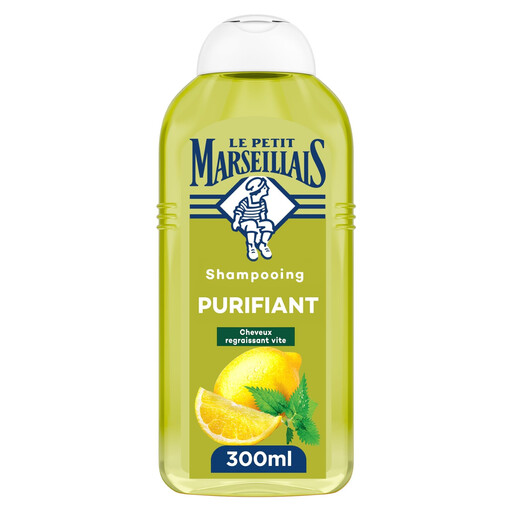
Why this choice suits this profile : Its 300 ml size and focus on oily or combination hair make it a straightforward option for starting a regular routine.
The product listing states that it has a silicone-free formula with 98% naturally derived ingredients, for use two to three times a week or as needed.
Organic nettle and lemon are key features, as is the bottle, which is described as fully recyclable and made in France.
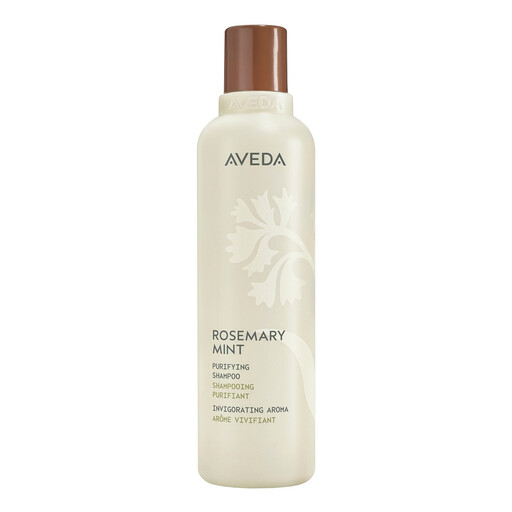
Why this choice suits this profile : This formula is aimed at people who value the brand’s commitments and a sensorial experience while washing their hair.
The product listing highlights the absence of silicones and a vegan formula, rather than reducing the product to a simple promise of freshness.
The product listing states that it contains 97% naturally derived ingredients, as well as recyclable packaging.
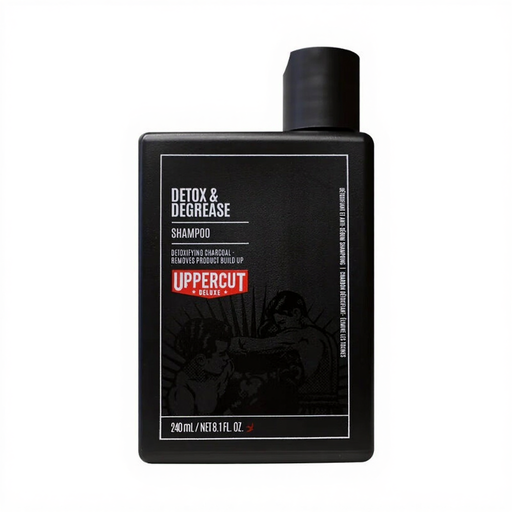
Why this choice suits this profile : It is suitable for people who regularly use wax, pomade or styling products that leave residue behind.
Using it once or twice a week, as recommended, avoids relying on a concentrated clarifying shampoo every day.
The formula contains charcoal and salicylic acid. In cases of significant build-up, it can be left on for one to two minutes.
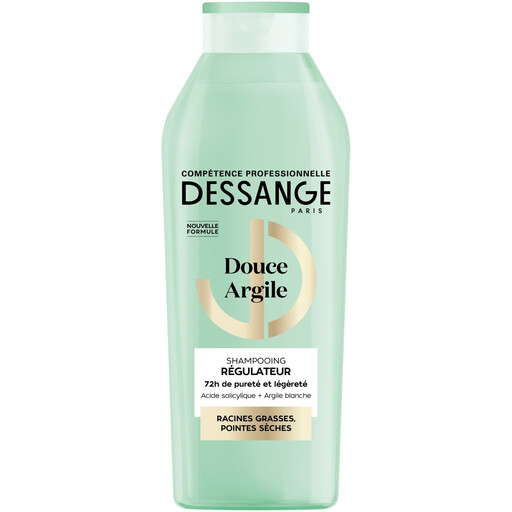
Why this choice suits this profile : Its product listing recommends it for oily roots and dry ends, a common combination after colouring or blow-drying.
The formula separates root cleansing from care for the lengths, rather than focusing solely on a product designed for oily scalps.
The INCI list includes white clay and salicylic acid. The bottle contains 280 ml.
We have put together a complete, real-time updated list of products that meet these strict selection criteria and European safety requirements.
If you have an oily scalp and blonde or grey hair, a purple shampoo for blonde hair is primarily used to neutralise yellow tones, not to regulate excess sebum. Olaplex No.4P contains purple pigments and is left on for one to five minutes, depending on the desired intensity, according to its product listing. It can therefore complement your routine, but it does not automatically replace a purifying shampoo.
If you prefer organic products, Avril displays Cosmos Organic certification awarded by Ecocert Greenlife, 98% naturally derived ingredients and 13% from organic farming. If you are sensitive to fragrances, still check the INCI list before buying.
It depends on the formula and the amount of sebum your scalp produces. A daily shampoo designed for oily hair may be suitable in some cases, while a clarifying or detox shampoo is generally used occasionally. Start with two or three washes a week if your scalp tolerates it, then adjust according to your comfort and the condition of your lengths.
Thoroughly wet your hair, apply a small amount of product to your scalp, then massage with your fingertips without scratching. When you rinse, the lather is enough to cleanse the lengths. If your ends are dry, apply a conditioning treatment to them afterwards.
It may suit you if you want a lightweight feel or if conditioning products tend to weigh down your hair. That said, being silicone-free is not enough to judge the quality of a shampoo. Also consider the cleansing base, fragrances, size and recommended frequency of use.