
Livraison le jour même ou le lendemain

Qualité garantie

Débloquez vos offres de bienvenue: Livraison GRATUITE | Jusqu'à -80 % | 30 jours d'essai gratuits à JoyPlus
Téléchargez l'application
Colouring, highlights or bleaching can alter the texture and sensitivity of the hair fibre. Choosing a shampoo for coloured hair is therefore not simply a matter of looking for the words “long-lasting colour”. The ingredients, type of pigments and frequency of use are just as important.
A colour-protecting shampoo cleanses the hair without speeding up colour fade. A purple shampoo, also known as a yellow-neutralising shampoo, contains purple pigments that visually reduce yellow tones in blonde, grey or bleached hair.
These two functions are very different. Applying purple shampoo to brown or copper-coloured hair will not necessarily deliver the result you want. To neutralise orange tones, you may need to choose a different pigment colour.
This claim may appeal to people looking for a gentler cleanse, but it is not enough to assess a formula. Take the time to check the INCI list and look for cleansing agents, fragrances, silicones or allergens to which you may be sensitive.
For example, Cattier shampoo for coloured hair has a sulphate-free and silicone-free formula. By contrast, some professional shampoos designed for coloured hair contain sulphated surfactants. The ingredients therefore deserve more attention than the simple name of the range.
Purple pigments are not designed to be used automatically with every wash. Leaving the product on for too long can intensify the tone and create a result that looks too cool or uneven, particularly if the hair has varying levels of porosity.
Start by following the processing time indicated on the packaging, then adjust it gradually according to the result. With some highly pigmented formulas, wearing gloves can also be useful, especially when using a shampoo for blonde hair.
Before choosing, start by defining your priority:
A sulphate-free shampoo may suit people looking for a gentler formula. However, it still needs to leave your hair feeling satisfactorily clean. Fine hair, a scalp that becomes greasy quickly or regular use of styling products may require more frequent washing.
For a shampoo for coloured hair that is used regularly, check the position of the surfactants in the INCI list, as well as the possible presence of conditioning agents. The claim sulfate-free does not automatically mean that the product will suit every scalp.
A 1 500 ml bottle can reduce the cost per wash in a household where several people use the same product. Conversely, a 50 ml size is mainly suitable for testing a formula, travelling or preparing a wash bag.
Compare the volume, the amount used per wash and the recommended frequency of use. A concentrated formula may require less product, but this information should be clearly stated on the packaging or product page.
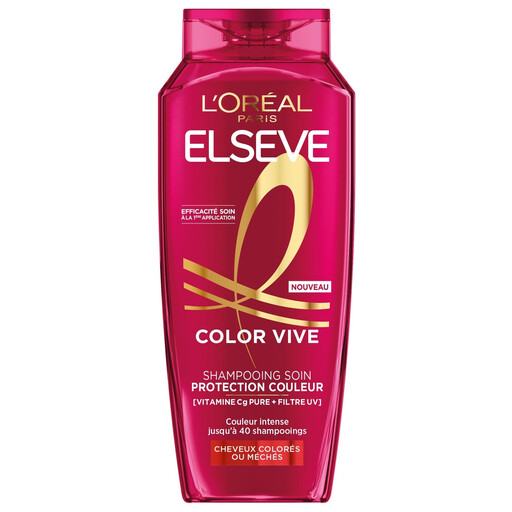
Why this choice suits this profile : Its 300 ml size is ideal for starting a routine dedicated to coloured or highlighted hair, with simple everyday use.
The product page clearly distinguishes colour protection from purple neutralisation: this is a shampoo designed to preserve colour, not a yellow-neutralising shampoo.
The supplied list mentions UV filters and a vitamin C derivative; it is made in France.
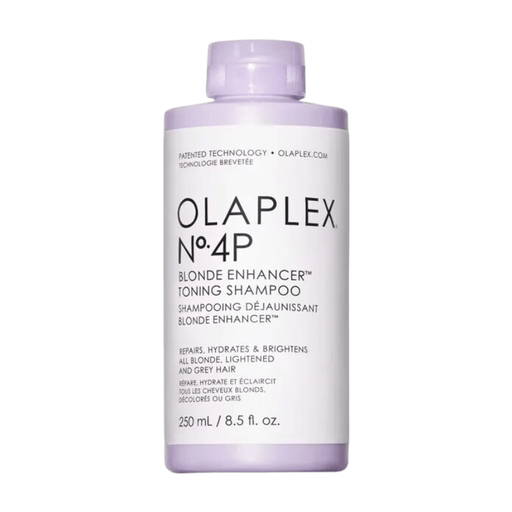
Why this choice suits this profile : Its concentrated purple formula is designed for blonde or grey hair that needs occasional tonal maintenance.
The processing time is clearly stated: 1 to 3 minutes, or up to 5 minutes for a more pronounced tone. This helps prevent an application that is too long and difficult to control.
The product page states that the formula is sulphate-free, with purple pigments and a patented bonding technology claimed by the brand.
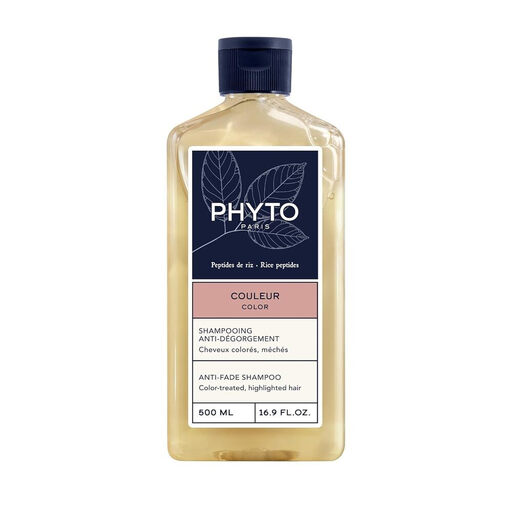
Why this choice suits this profile : Its 500 ml size and protective function make it suitable for regular use after colouring.
The product page mentions a sulphate-free and silicone-free formula. You can therefore check these claims directly in the ingredients.
The formula contains rice peptides, tara tannins and sunflower shoot extract; according to the product page, white mallow extract also helps enhance shine.
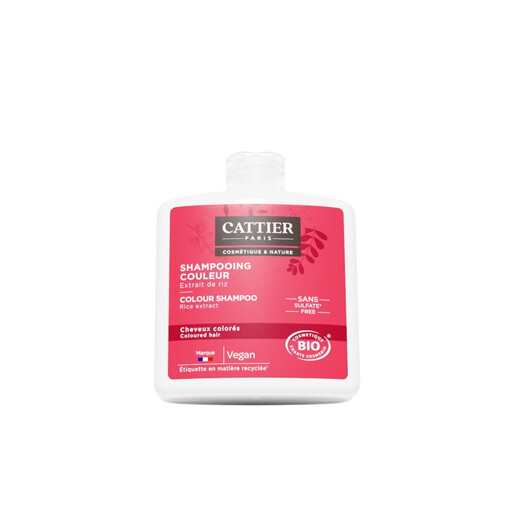
Why this choice suits this profile : This short, sulphate-free and silicone-free formula is suitable for people who want a simple routine for coloured hair.
The sulphate-free and silicone-free claims are supported by an accessible INCI list, rather than a vague promise that cannot be checked.
A 250 ml size, an origin stated as France and a formula containing glycerine, jojoba oil and rice proteins, among other ingredients.
We have put together a complete, real-time updated list of products that meet these strict selection criteria and the requirements of European safety regulations.
It is not necessarily needed. Purple or yellow-neutralising shampoo is generally used occasionally, depending on your hair colour, its porosity and the result you want. If your hair becomes dry or the tone looks too cool, alternate it with a classic colour-protecting shampoo.
Start by looking for a formula designed for coloured or highlighted hair, then follow with a conditioner or mask on the lengths. A repairing shampoo for damaged hair may improve the feeling of softness, but it cannot replace a haircut or a suitable treatment. If you have a persistent scalp problem, it is best to seek professional advice.
Choose lukewarm water rather than very hot water, leave more time between washes if your scalp allows and protect the lengths from excessive heat. Used with a detangling treatment, a shampoo designed to preserve colour can help you maintain a consistent routine. However, always check the ingredients and product-specific instructions before buying.