
Livraison le jour même ou le lendemain

Qualité garantie

Débloquez vos offres de bienvenue: Livraison GRATUITE | Jusqu'à -80 % | 30 jours d'essai gratuits à JoyPlus
Téléchargez l'application
Choosing the right shampoo for your hair is about more than picking a fragrance or a promise on the label. Dry hair, oily roots, damaged lengths, curls, colour-treated hair and dandruff all call for different criteria. A formula that feels pleasant from the first wash may leave the lengths rough, weigh down the roots or fail to meet your scalp’s needs.
Here are the key points to check before buying, along with a selection of products suited to several hair types and routines.
Claims such as “repairing”, “nourishing” or “professional” indicate the formula’s intended benefits, but they do not guarantee the same results for everyone. A repairing shampoo may improve the appearance and feel of the hair fibre, but it cannot mend an already split end.
Percentages advertised by brands should also be read alongside the full testing protocol: the number of uses, whether the product was used with a conditioner, and what it was compared with. It is better to view these figures as marketing information to check on the packaging, rather than as a guarantee that applies to everyone.
Shampoo is primarily applied to the roots and scalp. The lengths mainly benefit from the lather that runs through them during rinsing. So, a shampoo for oily hair can cleanse the roots without needing to be applied to dry ends. Conversely, an overly rich shampoo for dry hair can quickly weigh down a scalp that becomes greasy easily.
A sulphate-free shampoo may lather less and require more thorough application. A silicone-free formula may leave a different feel, sometimes with less slip. These characteristics may suit certain preferences or routines, but they are not enough on their own to determine whether a product is right for your hair.
Surfactants remove sebum, dust and styling-product residue. Sulphates, such as sodium laureth sulphate, are common and produce a rich lather. Sulphate-free formulas use other cleansing agents and are often favoured by people with very dry, curly or sensitised hair.
For frequent use, pay close attention to how your hair feels after drying. A tight-feeling scalp, roots that are still greasy, rough lengths or hair that is difficult to detangle may indicate that the formula is probably not suited to your routine.
An organic shampoo should carry a clearly identifiable certification, such as Cosmos Organic, issued by Ecocert Greenlife for the products concerned. The claim “of natural origin” does not necessarily mean “certified organic”.
Fragrances and fragrance allergens, such as limonene, linalool and benzyl alcohol, are found in many formulations. If your scalp is sensitive, check the INCI list and stop using the product if redness or irritation occurs. Shampoo is a cosmetic product intended for external use: avoid contact with the eyes.
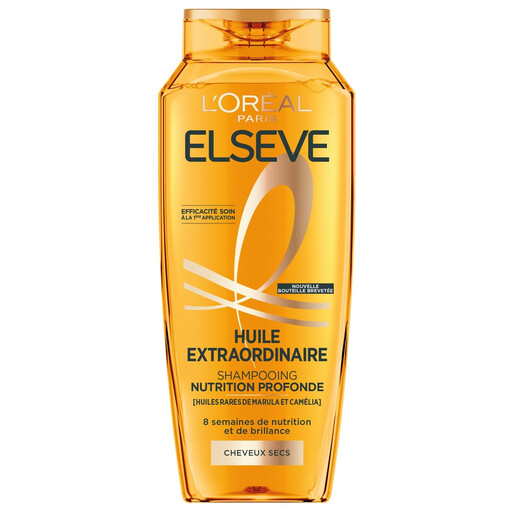
Why this choice suits this profile : An affordable option for starting a routine for dry hair, with marula and camellia oils listed in the formulation.
Its positioning is clearly focused on nourishment. This reduces the risk of choosing a purifying shampoo for lengths that are already dry.
250 ml bottle, plant oils in the formula and made in France.
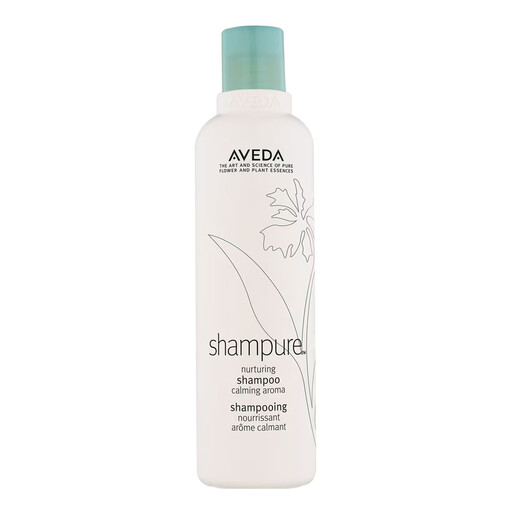
Why this choice suits this profile : This formula combines a base stated to contain 96 % naturally derived ingredients with a vegan, silicone-free formulation.
The “silicone-free” and “vegan” characteristics are clearly stated, rather than inferred from general sensory claims.
250 ml format, babassu oil and a formula without silicone or mineral oil.
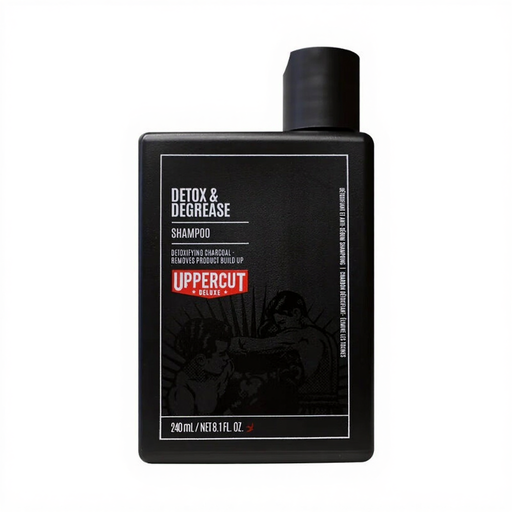
Why this choice suits this profile : It is suitable for people who regularly use wax, pomade or other styling products, with recommended use once or twice a week.
Its deep-cleansing role is clearly distinguished from that of a daily shampoo. This helps you avoid stripping your hair with every wash.
Activated charcoal and salicylic acid in the formulation, a 240 ml format and a specified leave-on time to remove significant build-up.
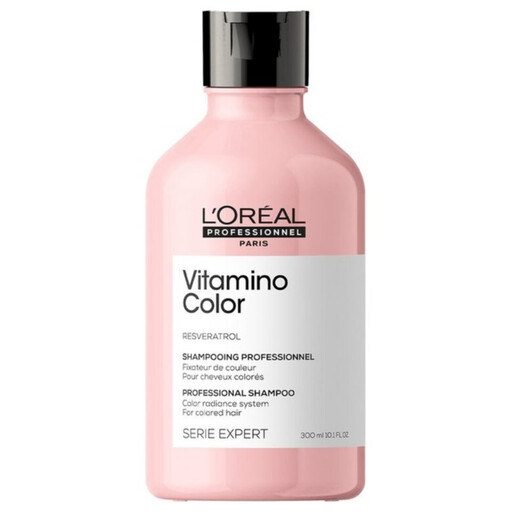
Why this choice suits this profile : This formula is specifically designed for coloured hair and contains resveratrol, listed among the ingredients.
This is not a purifying shampoo designed to remove build-up, but a formula intended to maintain coloured hair.
300 ml size, niacinamide and resveratrol listed in the formulation, easy to rinse.
We have put together a complete, real-time updated selection of products that meet these demanding criteria and European safety requirements.
To limit product consumption and maintain scalp comfort, a small amount is generally enough. Thoroughly wet your hair, work the shampoo into a lather between your hands, then gently massage the roots. A second wash may be useful after exercise, heavy sweating or using styling products.
Dry, frizzy or curly hair generally benefits from a conditioner applied to the lengths after every wash. Oily hair can alternate between a lightweight formula and a purifying shampoo used occasionally. If dandruff persists or you experience significant discomfort or irritation, ask a pharmacist or healthcare professional for advice rather than accumulating more products.
Choose a lightweight formula designed for an oily scalp, then apply a nourishing conditioner only to the lengths. Avoid massaging a rich formula directly into the roots.
It may suit some routines, particularly when hair is dry or sensitised. However, check its cleansing power and whether it contains conditioning agents. The result also depends on how often you wash your hair, its porosity and the styling products you use.
A purifying or clarifying shampoo should generally be used occasionally, for example once or twice a week when recommended in the instructions. Used too often, it can increase dryness in the lengths.