
Same-day & Next-day Delivery

Quality Guaranteed

Unlock Your Welcome Offers: FREE Delivery | Up to 80% OFF | Free 30-day JoyPlus trial
Download the APP
Choosing a shampoo might seem straightforward… until your roots get greasy at lightning speed, your lengths dry out, or your curls lose their definition. The promises printed on bottles don't always help you spot the formula that truly fits your routine.
Having dry lengths doesn't necessarily mean your scalp is dry too. You can easily have oily roots and dehydrated ends, especially with long or colour-treated hair. A shampoo for greasy hair applied to fragile lengths risks making dryness worse, while an overly rich, nourishing formula can weigh down the roots.
These claims need to be taken in context. A formula presented as "organic" must display a recognisable certification, such as Cosmos Organic by Ecocert, when it makes that claim. Similarly, terms like "sulphate-free" or "silicone-free" refer to specific formulation characteristics, but on their own they don't guarantee better compatibility with all hair types.
A one-litre shampoo can be a good option for a family or if you wash your hair frequently. However, you need enough storage space and must ensure the product is stored properly. For an anti-dandruff formula, one designed for colour-treated hair, or one that meets a temporary need, a 200 to 300 ml bottle reduces the risk of the product gathering dust at the back of a cupboard.
A shampoo for dry or moisturising hair typically relies on humectants and conditioning ingredients. For curly, frizzy or very dry hair, shea butter, glycerin, aloe vera and certain oils can help create a feeling of softness.
For a shampoo intended for damaged or colour-treated hair, or for hair regularly exposed to heat styling tools, also look at the presence of smoothing agents and how well it fits with the rest of your routine. Promises of "repair" often describe the look and feel of the hair fibre; they don't rebuild the hair fibre in a biological sense.
The order in which ingredients appear helps you identify the main components, but it isn't enough to predict how the product will perform. Surfactants like sodium laureth sulphate, sodium lauryl sulphate or ammonium lauryl sulphate can produce a rich lather, while sulphate-free formulas rely on other cleansing agents.
If you're looking for an organic shampoo, check the certification logo and the percentages stated. Claims like "silicone-free" and "sulphate-free" should be verified against the INCI list, which can change: always rely on the packaging you actually receive.
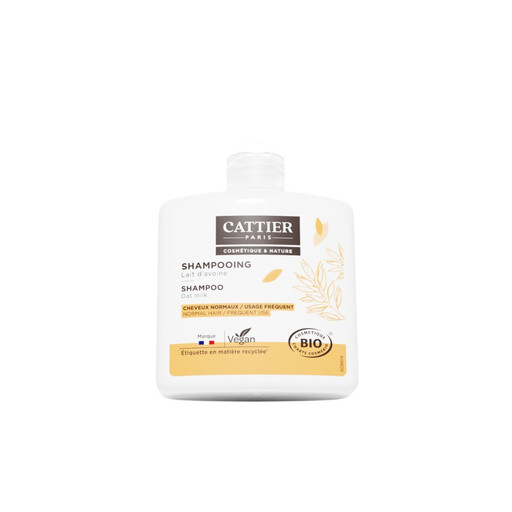
Why this choice suits this profile: Its 250 ml size and frequent-use formula are ideal for a simple first routine, without having to invest in a large bottle. The listing mentions an Ecocert Greenlife organic certification and a silicone-free formula.
Its sensible size reduces the risk of long-term storage. The silicone-free formula also means you're not choosing based solely on a general promise of shine.
Stated organic certification, 98% naturally derived ingredients claimed, and the presence of oat in the formula.
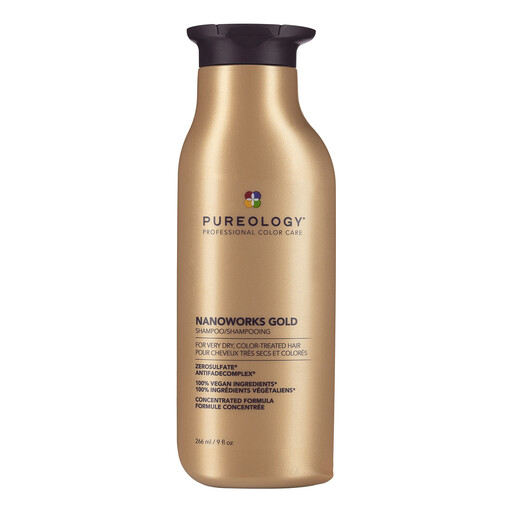
Why this choice suits this profile: This product targets colour-treated, dull, dry or brittle hair, with a formula that is stated to be vegan, sulphate-free and paraben-free.
The target is clearly defined: colour-treated and very dry hair. This lets you match the formula to your needs, rather than a one-size-fits-all promise.
266 ml, marula oil and sunflower extract listed in the ingredients, sulphate-free formula stated.
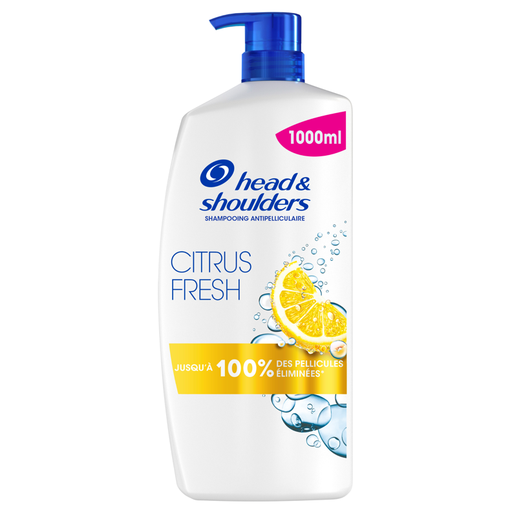
Why this choice suits this profile: Its one-litre size is aimed at households that wash their hair frequently and are looking for an anti-dandruff shampoo for greasy hair.
The volume is consistent with regular use, and the target of "greasy hair and dandruff" is clearly stated on the listing.
One-litre capacity, lemon fragrance, piroctone olamine and balanced pH mentioned in the description.
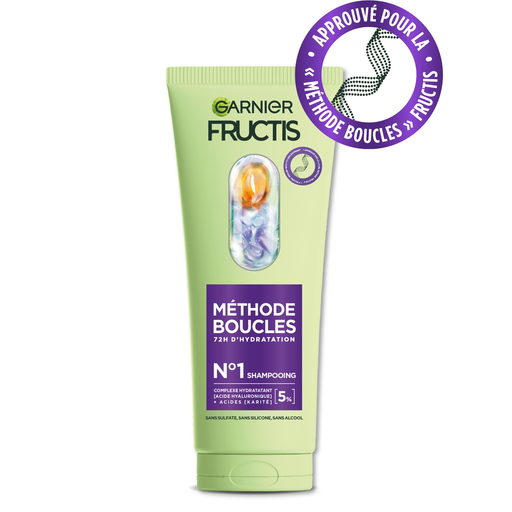
Why this choice suits this profile: This formula, designed for curly hair, combines hyaluronic acid, glycerin and shea butter in a 200 ml bottle.
This product distinguishes the needs of curly hair from those of simply dry hair, making it easier to build a targeted routine with a complementary conditioner.
Formula dedicated to curly hair, with shea butter and sodium hyaluronate in the ingredients list.
We've put together a comprehensive list, updated in real time, of products that fully meet these strict selection criteria and European safety regulations.
Wet your hair thoroughly before applying a small amount of product. Massage mainly the scalp, then let the lather glide over the lengths as you rinse. A second application can be useful after a workout, a day in the city, or using styling products, but it isn't always necessary.
Rinse thoroughly and apply a conditioner or mask to the ends if the formula is purifying. Keep the bottle closed, away from heat and direct light. If it gets into your eyes, rinse immediately with clean water.
Opt for a balancing formula applied mainly to the scalp, then use a hydrating or nourishing treatment on the lengths. Products based on white clay, charcoal or plant extracts can offer a feeling of freshness, but observe how your hair reacts after several uses.
No. A sulphate-free shampoo can be a good choice as part of a gentle routine, for colour-treated hair, or if you have particular sensitivities. However, the result also depends on the other surfactants, the fragrance and the condition of your scalp. Read the ingredients list and choose a formula whose target genuinely matches your needs.
It depends on the price per litre, the amount you use, and the shelf life before and after opening stated on the packaging. This size can work for daily or family use, but a smaller bottle is still preferable if you change your routine often or if the need is temporary.