
Livraison le jour même ou le lendemain

Qualité garantie

Débloquez vos offres de bienvenue: Livraison GRATUITE | Jusqu'à -80 % | 30 jours d'essai gratuits à JoyPlus
Téléchargez l'application
A shampoo for hair isn’t something you should pick based solely on its scent or the promise on the bottle. Fine hair, damaged lengths, sensitised colour, thinning hair or an easily irritated scalp – each situation calls for different criteria.
Some marketing claims can be confusing, though. Here are the main pitfalls to avoid before you place your order.
Start by looking at the first ingredients on the INCI list. Sodium Laureth Sulfate, found in many foaming formulas, isn’t automatically unsuitable. However, it can be less comfortable for some sensitive scalps or very dry hair.
For a gentler routine, look for agents such as Sodium Lauroyl Methyl Isethionate, Coco-Betaine, Decyl Glucoside or Sodium Cocoyl Glutamate. If you have known sensitivities, also pay attention to the presence of fragrance, essential oils or perfume allergens.
A sulphate-free shampoo can work well for fragile, curly or regularly treated hair. Still, you should judge it by how clean your hair feels and how your scalp reacts.
A 1-litre shampoo with a pump can be handy for a family, a salon or frequent washing. However, compare its price per litre with that of 250–300 ml sizes, and make sure the formula suits your needs before buying in bulk.
Terms like vegan, “naturally derived” or “eco-friendly” don’t all mean the same thing. Check for any certification, the ingredients and the packaging information. A vegan product can contain synthetic ingredients, and a recycled bottle doesn’t necessarily mean the whole formula is natural.
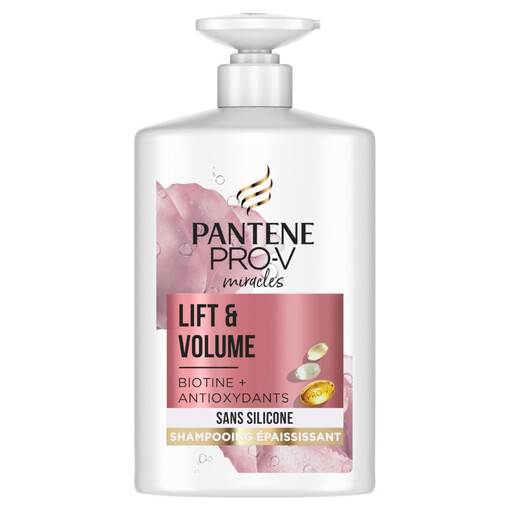
Why this choice suits this profile: its large format with pump is ideal for regular use and saves you from having to buy a new bottle too often. It’s designed for fine hair or hair lacking volume.
The product page states a lightweight, silicone-free formula. The INCI list still lets you check for Sodium Laureth Sulfate before buying.
1-litre format, built-in pump, biotin and rose water listed in the ingredients.
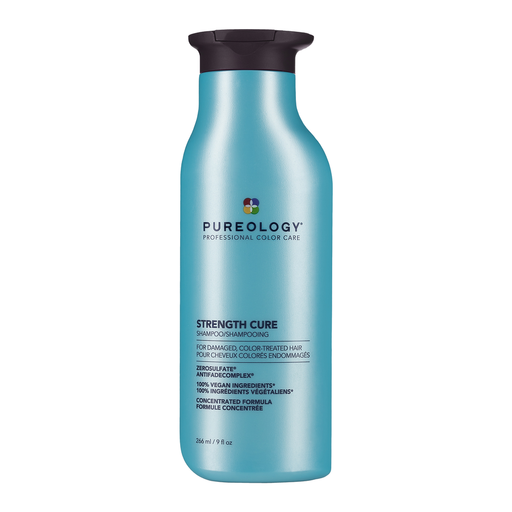
Why this choice suits this profile: this formula targets coloured and fragile hair. Its composition is stated as vegan, and its cleansing base relies on several surfactants, with no sulphate listed under that name.
The product page separates colour protection from care for damaged hair. You still need to pair the shampoo with a treatment for the lengths.
Stated vegan formula, sulphate-free and paraben-free, with plant proteins and sunflower seed extract.
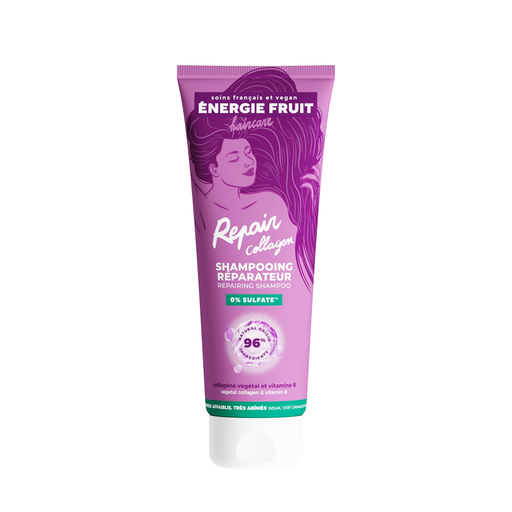
Why this choice suits this profile: it’s suitable for very fragile hair that needs a sulphate-free cleansing base, according to the product page, especially after repeated treatments or using heat styling tools.
The product page details a gentle cleansing base and targeted ingredients, rather than relying solely on the word “repairing”.
Hydrolysed collagen, stated B vitamins and made in France, in a 250 ml format.
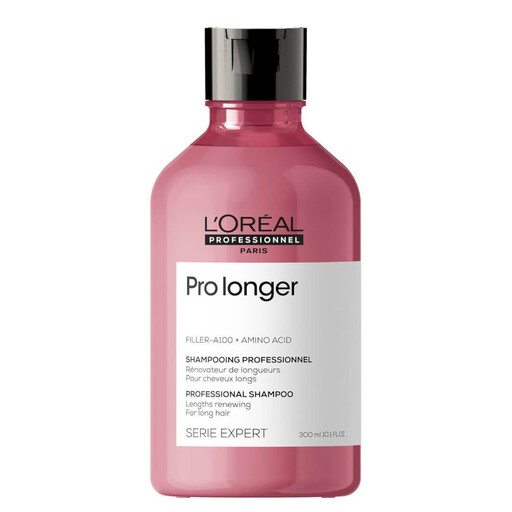
Why this choice suits this profile: its product page states it is designed for long hair with fragile or split ends, and it can be used as part of a regular routine.
It separates caring for the lengths from cleansing the scalp. Conditioner or a mask from the same range is recommended to complete the routine.
Amino acids, arginine and Filler-A100 technology listed on the product page, in a 300 ml format.
We’ve put together a comprehensive list, updated in real time, of products that meet these strict selection criteria and comply with European safety regulations.
Wet your hair thoroughly before applying a small amount of shampoo. Massage mainly the scalp, then let the foam run through the lengths as you rinse. A second wash can be useful after exercise, using styling products, or if you have a very oily scalp.
For dry or damaged hair, avoid very hot water and apply conditioner only to the mid-lengths and ends. Only switch formulas after you’ve noticed persistent discomfort, insufficient cleansing or repeated heaviness.
A shampoo for fine hair or a volumising one with a lightweight texture can help maintain movement and a feeling of density. Avoid applying rich treatments to the roots, and check that the conditioning agents don’t make your hair go flat too quickly.
The shelf life depends on the indication on the packaging, particularly the open-jar symbol. Close the bottle after each use, store it away from heat and light, and stop using it if the smell, colour or texture changes.
An anti-hair-loss shampoo mainly works during washing. Depending on its formulation, it can target scalp comfort or reduce breakage, but it cannot determine the cause of hair loss. Significant, sudden or persistent hair loss should be reported to a healthcare professional.