
Livraison le jour même ou le lendemain

Qualité garantie

Débloquez vos offres de bienvenue: Livraison GRATUITE | Jusqu'à -80 % | 30 jours d'essai gratuits à JoyPlus
Téléchargez l'application
A shampoo shouldn’t be chosen solely for its scent or the promise printed on the bottle. With formulas designed for oily scalps, dry hair, coloured lengths or fine hair, it quickly becomes difficult to compare products. Some are also presented as multi-purpose, when in reality they address a very specific need.
A clarifying or detoxifying shampoo can remove styling product residue, excess sebum, chlorine and certain deposits from hard water. However, a formula designed for a weekly ‘reset’ isn’t necessarily meant to replace a gentle shampoo for every wash.
The Uppercut Deluxe detoxifying shampoo, for example, is intended for use once or twice a week, particularly after applying waxes or pomades. It’s therefore better to adapt the frequency to your needs rather than multiplying intensive washes.
Claims like ‘silicone-free’, ‘sulphate-free’, ‘organic’ or ‘vegan’ don’t all meet the same criteria. They aren’t enough to determine how the product feels during washing, the level of lather, or the effect on your lengths.
Take the time to check the INCI list on the packaging. A silicone-free formula can suit those looking for a lighter feel, while a shampoo containing conditioning agents will often make detangling dry or damaged hair easier. For an organic product, also check the certification standard mentioned, such as Cosmos Organic or Ecocert Greenlife.
A purple shampoo is mainly used to visually tone down yellow or orange undertones in blonde, grey, highlighted or bleached hair. It doesn’t necessarily replace your everyday maintenance shampoo. The leave-in time and frequency of use should follow the manufacturer’s instructions to avoid a result that’s too cool-toned or uneven.
The same principle applies to an anti-dandruff shampoo: use it according to the instructions. If you experience persistent irritation, severe itching or an ongoing problem, seek advice from a healthcare professional rather than piling on more products.
Start by observing your roots:
Dry, brittle or frizz-prone hair generally needs a less stripping cleanse and additional care. A repairing shampoo may contain conditioning agents, proteins or oils, but its effectiveness depends on the overall formula and the routine you use.
For coloured hair, check for a dedicated colour-protection claim. Elseve Color Vive, for example, is formulated with vitamin Cg and UV filters, according to the product information. These features may appeal to those looking to incorporate a shampoo for coloured hair into their routine, without taking the stated percentages as a universal guarantee.
A 250–300 ml bottle is a good way to try a formula or to rotate between several products. 400–500 ml formats are more practical for family or regular use. Refills, such as the Kao Success 320 ml pouch, do require a compatible bottle.
Also check the usage instructions: some products are applied once, while others recommend a second wash or a leave-in time of a few minutes. This indication directly affects how much product you’ll actually use.
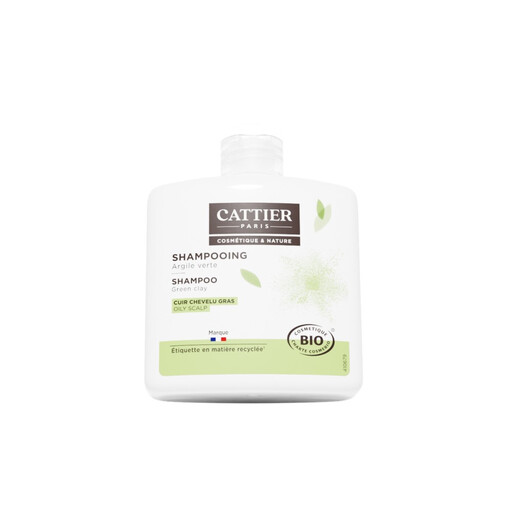
Why this choice suits this profile: Its 250 ml format lets you try a formula designed for oily roots and hair, with an organic certification mentioned by the manufacturer.
The page specifies its use for oily hair, its silicone-free formula and its 98% natural origin, making it easier to compare against a simple marketing promise.
Green clay, lavender floral water and Ecocert Greenlife certification are mentioned in the available information.
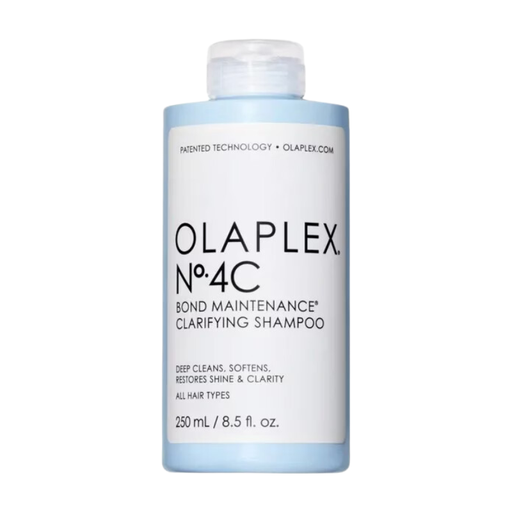
Why this choice suits this profile: This formula is aimed at those who want to incorporate a clarifying shampoo into a routine for coloured or chemically treated hair.
The page recommends weekly use or as needed, rather than systematically replacing your usual shampoo.
250 ml format, varied cleansing agents and indication of removing deposits from styling products, chlorine and hard water.
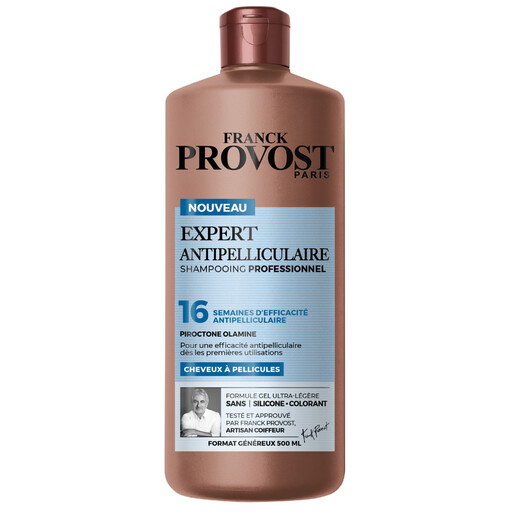
Why this choice suits this profile: Its large 500 ml format is suitable for regular use when dandruff is the main concern.
The page clearly identifies piroctone olamine and notes the presence of fragrance and limonene: information to check if you have a known sensitivity.
Formula stated as silicone-free, gel texture and large volume suitable for a regular routine.
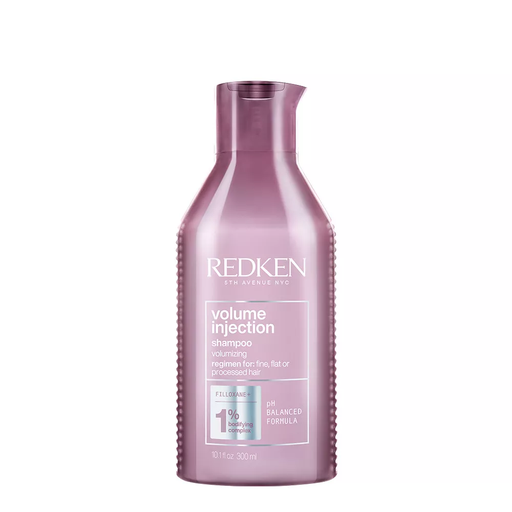
Why this choice suits this profile: It’s designed for fine, limp hair, particularly when overly rich treatments quickly make volume fall flat.
The page details its use for fine, flat hair and the role of texturising polymers, rather than promising a universal result.
300 ml format and a formula designed to cleanse without weighing hair down, according to the manufacturer’s information.
Choose a balancing formula for the roots, then apply a conditioner or mask only to the lengths. Used all over your hair, a shampoo for oily hair can increase the feeling of dryness at the ends.
Follow the instructions on the label. A purple shampoo is generally used in rotation, depending on the intensity of warm tones, while a clarifying shampoo is often reserved for occasional use. The leave-in time, sometimes between one and five minutes depending on the formula, directly affects the result.
No. The choice depends on your preferences, your scalp and the condition of your hair. A sulphate-free formula may appeal to those looking for a perceived gentler cleanse or who follow a particular routine. However, it’s still worth checking the other cleansing agents, the fragrance and any potential allergens.