
Livraison le jour même ou le lendemain

Qualité garantie

Débloquez vos offres de bienvenue: Livraison GRATUITE | Jusqu'à -80 % | 30 jours d'essai gratuits à JoyPlus
Téléchargez l'application
A shampoo for hair isn’t something you should pick just by its scent or the promise on the label. A formula that’s too harsh can dry out your lengths, while one that’s too rich can weigh down your roots. To avoid disappointing purchases, it’s best to compare your hair type, the cleansing agents, the format and the intended use.
Claims like “repair”, “nourishment” or “purification” give you an idea of what the product aims to do, but they don’t tell you whether it will suit your scalp. Take the time to check the INCI list and look out for ingredients that might bother you, especially fragrances and certain declared allergens.
A shampoo for dry and damaged hair may contain conditioning agents, oils or plant butters. Conversely, a formula designed for oily roots typically focuses on a fresh, lightweight feel. In any case, these indications are no substitute for assessing your own tolerance to the product.
A 250 ml bottle is handy for trying out a formula, while a 400 ml, 450 ml or 1,000 ml size is better suited to regular use. Compare the price per litre, but don’t forget to factor in how much you need per wash and how often you shampoo.
Shampoo and conditioner sets can be good value if you actually use both products. They also help you avoid pairing formulas that work against each other, such as a very nourishing shampoo with an overly rich conditioner.
A sulphate-free shampoo can suit a particular formulation preference, especially for curly, coloured or sensitive hair. However, the absence of sulphates alone doesn’t guarantee perfect tolerance. The formula as a whole, the fragrance and how often you use it all matter just as much.
An oily scalp generally needs a cleanser that can remove excess sebum without being too aggressive. The Garnier Ultra Doux Balancing Shampoo with magnetic charcoal and black seed oil is presented for normal to oily hair. Its ingredients include charcoal, black seed oil and sodium lauryl sulphate.
For daily or family use, a hydrating shampoo with a light texture can be more practical. The Cattier extra-gentle shampoo in a 1-litre format suits all hair types, with a balanced pH and Ecocert Greenlife organic certification, according to the product information.
Dry, curly or damaged hair often copes better with a routine that minimises friction. A nourishing shampoo doesn’t “repair” the hair fibre in a medical sense, but it can make detangling easier and leave hair feeling softer to the touch.
For curly and coily hair, check that the cleansing and conditioning agents match your routine. The Garnier Ultra Doux shampoo with avocado oil and shea butter is designed for dry, curly and coily hair. The Cattier 2-in-1 shampoo for curly hair is another option, with a certified organic, sulphate-free formula, according to the stated details.
Ingredient lists can change. So before using any product, always refer to the packaging you receive. Several of the products featured contain fragrance and declared allergens such as limonene, linalool or benzyl alcohol. Avoid contact with the eyes and stop using the product if irritation occurs.
An anti-dandruff shampoo may contain specific active ingredients. The Body Shop Ginger product mentions piroctone olamine, while the Cattier shampoo with willow bark extract is presented as certified organic, vegan and designed for scalps prone to dandruff. These products remain cosmetic treatments and do not replace medical advice if the problem persists.
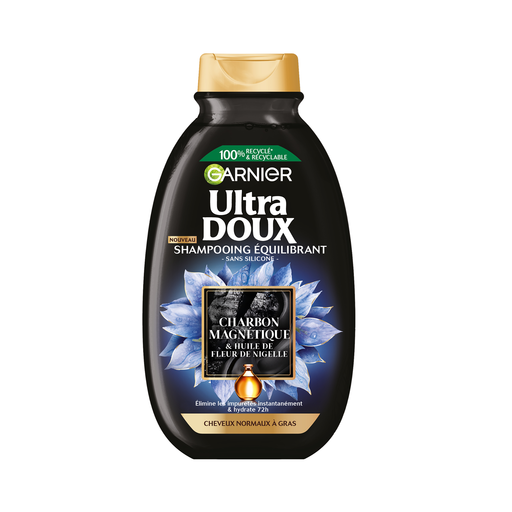
Why this choice suits this profile: Its 250 ml format lets you try a formula designed for normal to oily hair without committing to a large bottle straight away.
The description clearly targets normal to oily roots, rather than promising a one-size-fits-all solution.
The formula includes charcoal and black seed oil, in a compact bottle.
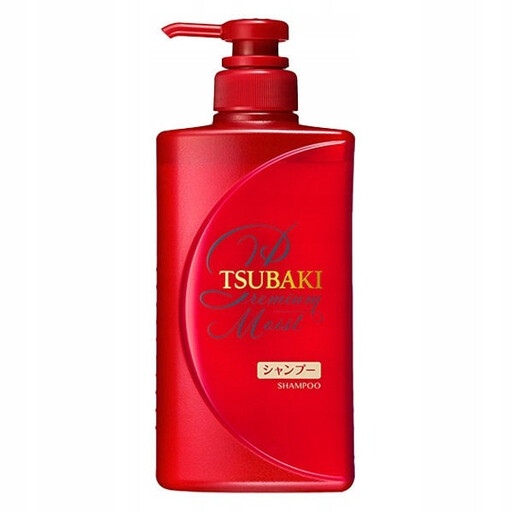
Why this choice suits this profile: The brand targets dry, dull or damaged hair and offers a 450 ml volume suitable for a regular routine.
Its positioning clearly focuses on hydration and damaged hair, rather than being a one-size-fits-all product.
Made in Japan, camellia oil and a 450 ml format.
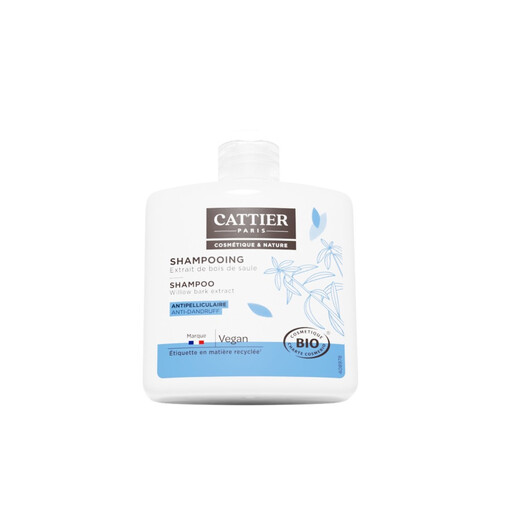
Why this choice suits this profile: Its targeted use is for people looking for a formula dedicated to visible dandruff, in a 250 ml bottle.
The product page specifies the use, precautions and the presence of fragrant allergens to check before buying.
Made in France, certified organic by Ecocert Greenlife and presented as vegan.
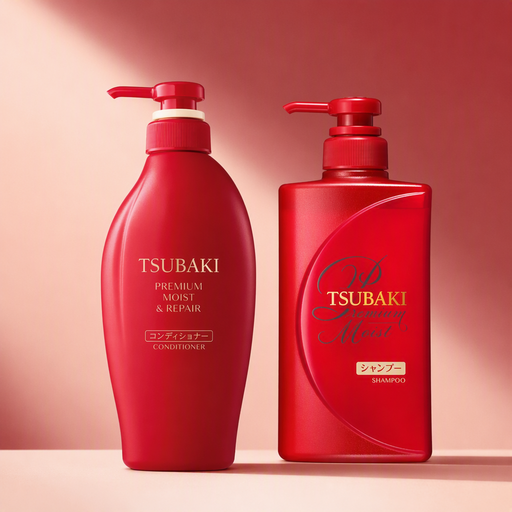
Why this choice suits this profile: This duo pairs a shampoo and conditioner, both 450 ml, for dry, coloured, permed or heat-styled hair.
The exact contents of the set are detailed, making it easy to compare with buying the two products separately.
Two large bottles, camellia oil and a conditioner designed for the lengths.
Go for a formula described as nourishing or repairing, containing conditioning agents, oils or butters. A set with conditioner can simplify your routine, especially when your lengths are weakened by colouring, heat or chemical treatments.
It depends on the formula and your scalp’s tolerance. Follow the instructions on the packaging. If you experience persistent itching, redness or significant flaking, seek advice from a healthcare professional.
A one-litre bottle can work well for a family or someone who washes their hair frequently. To try an organic shampoo, a Japanese one, a sulphate-free one or one designed for curly and coily hair, a 250 to 300 ml format limits the risk of being stuck with a product that doesn’t suit you.