
Livraison le jour même ou le lendemain

Qualité garantie

Débloquez vos offres de bienvenue: Livraison GRATUITE | Jusqu'à -80 % | 30 jours d'essai gratuits à JoyPlus
Téléchargez l'application
A shampoo for hair shouldn't be chosen solely by its scent or a promise printed on the label. Greasy hair, dry hair, curly hair, blonde hair, damaged hair or a sensitive scalp – each profile calls for different criteria. A formula that's pleasant to use may not necessarily match your hair type, your washing frequency or your routine.
A cooling sensation or a generous lather instantly gives an impression of cleanliness, but on its own, it says nothing about the balance of the formula. Some shampoos for greasy hair rely on powerful cleansing agents that can dry out the lengths, especially when hair is washed every day.
If your scalp becomes greasy quickly, look instead at the product's specific purpose: purifying shampoo, detox shampoo or a formula designed for greasy roots and dry ends. Targeted washing is sometimes more effective than repeated harsh cleansing.
The term hypoallergenic means the formula has been designed to limit the risk of a reaction, not that it makes any irritation impossible. Essential oils and fragrances may not suit everyone. Similarly, an organic shampoo must be backed by a clearly identifiable certification, such as Cosmos Organic, and not just by the presence of plant extracts.
Read the INCI list, especially if you have a sensitive scalp. If you have a reaction, stop using the product immediately and rinse thoroughly.
Claims like "repairs", "detoxifies" or "72 hours of freshness" correspond to the benefits claimed by the brands. Their results can vary depending on your hair type, washing frequency and the styling products you use. These promises are no substitute for checking the ingredients, the format and the usage instructions.
The cleansing agents determine the intensity of the wash. Formulas containing sulphates can be suitable for normal or greasy hair, but some people prefer to avoid them on coloured, dry or weakened hair. Bases like coco-betaine, glucosides or isethionates are often used in gentler formulas, without guaranteeing the same tolerance for everyone.
For a shampoo intended for greasy hair, look for a purifying formula that works with your washing frequency. For a moisturising shampoo, check for ingredients like glycerin, panthenol or certain oils, while keeping in mind the risk of weighing the hair down.
A pH close to that of the scalp can be beneficial for a formula intended for frequent use. L'Arbre Vert, for example, states a neutral pH for its moisturising shampoo for normal hair. This formula also contains glycerin and panthenol, claims 95% naturally derived ingredients and is silicone-free.
Silicones aren't automatically problematic: they can help with detangling and give a feeling of softness. However, a silicone-free shampoo may be preferred by those looking for a lighter feel or following a particular routine.
A detox or clarifying shampoo is generally intended for occasional use. According to its product page, Uppercut Deluxe, enriched with charcoal and salicylic acid, should be used once or twice a week to remove residue from waxes, pomades and excess sebum. Using it too often can leave the lengths dry and uncomfortable.
Conversely, a moisturising shampoo or a gentle cleansing base will often be better suited to regular washing. For curly hair, opt for a sulphate-free and silicone-free formula if that fits your styling method. On blonde or grey hair, purple shampoo should be used respecting the indicated leave-in time to avoid overly pronounced tones.
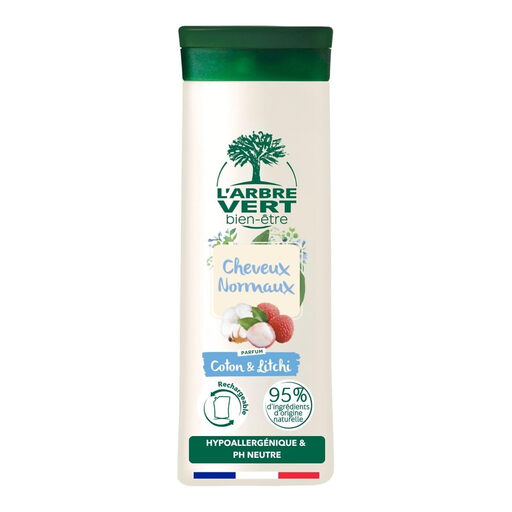
Why this choice suits this profile: A simple option to start a daily routine on normal hair, in a 250ml format and with manufacturing stated in France.
The product page mentions a silicone-free formula, a neutral pH and a hypoallergenic design. Concrete information that allows you to compare the product beyond just its scent.
Cotton flower and lychee extracts, claimed 95% naturally derived ingredients and a silicone-free formula.
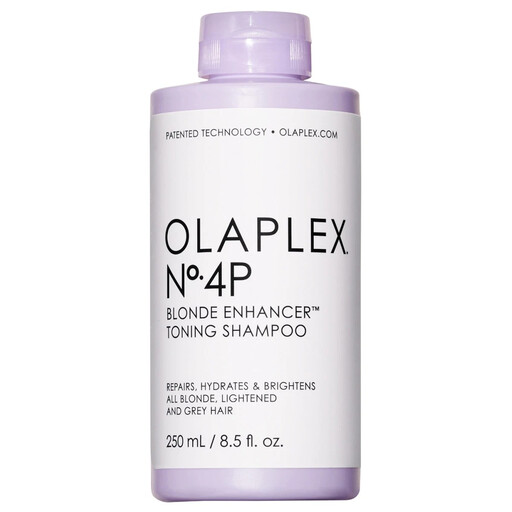
Why this choice suits this profile: A targeted formula for blonde or grey hair, natural or coloured, when neutralising yellow tones is part of your routine.
The leave-in time is clearly stated: one to three minutes, and up to five minutes for a more pronounced effect. This allows you to adjust the use rather than leaving the product on at random.
Purple pigment CI 60730, a sulphate-free formula and recommended use two to three times a week depending on the desired result.
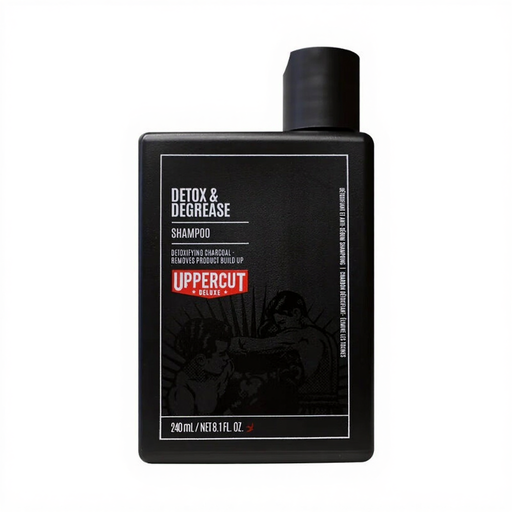
Why this choice suits this profile: People who regularly use wax, pomade or styling products may occasionally need a deeper cleanse.
The recommendation of one to two uses per week prevents it from being treated as a daily shampoo and stripping the lengths.
Activated charcoal, salicylic acid and a 240ml format, with a leave-in time of one to two minutes for heavy build-up.
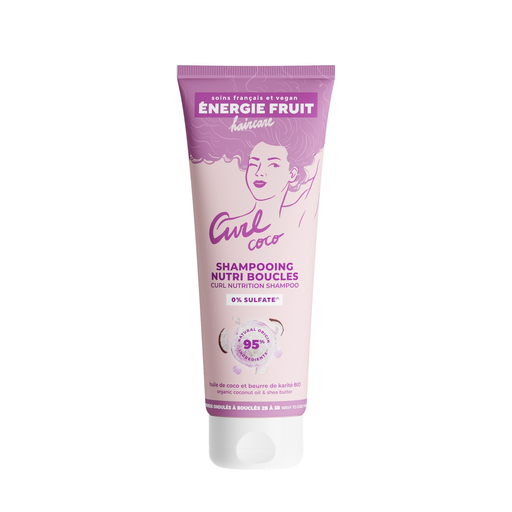
Why this choice suits this profile: An option for wavy to curly hair looking for a sulphate-free and silicone-free base with a more nourishing action.
The formula is clearly intended for wavy to curly hair, which avoids choosing a universal shampoo that could be too harsh.
Organic coconut oil and shea butter claimed, sulphate-free and silicone-free formula and a stated neutral pH.
We've put together a comprehensive selection, updated in real time, of products that meet these exacting criteria as well as European safety standards.
Start by distinguishing greasy roots from dry ends. A purifying or balancing shampoo can be applied mainly to the scalp, while a moisturising treatment can complement the routine on the lengths if needed. Check the recommended frequency of use and avoid piling on overly harsh washes.
Not necessarily. Anti-dandruff shampoos contain specific active ingredients and may also contain fragrance or essential oils. Consult the INCI list, follow the instructions and stop using the product if irritation occurs. If dandruff persists or is accompanied by significant discomfort, seek advice from a healthcare professional.
Refer to the open jar symbol and the information on the packaging. Keep the bottle tightly closed, at room temperature, away from heat and direct light. If the smell, colour or texture changes, it's best not to use the product anymore.