
Livraison le jour même ou le lendemain

Qualité garantie

Débloquez vos offres de bienvenue: Livraison GRATUITE | Jusqu'à -80 % | 30 jours d'essai gratuits à JoyPlus
Téléchargez l'application
Rough hair, split ends, frizz or a tight-feeling scalp: choosing a shampoo for dry and damaged hair is not simply a matter of looking for the words “repair” or “nourishment” on a bottle. These claims can address very different needs. Choosing the wrong product may weigh down the lengths, make your scalp feel uncomfortable or dull your colour.
Before filling your basket, take the time to identify the most common pitfalls and the criteria that help you compare nourishing, repairing and hydrating shampoos.
Dry hair often lacks flexibility and comfort, while damaged hair has a weakened fibre due to colouring, heat or chemical treatments. A formula rich in oils, butters or coating agents may improve how the hair feels, but it will not necessarily address every cause of dryness.
A sulphate-free shampoo may suit coloured or sensitised hair, as well as people looking for a gentler cleansing base. However, the absence of sulphates guarantees neither better tolerance nor superior results. The formula as a whole, how often you wash your hair and your individual sensitivity all play a part.
Conversely, a shampoo containing sodium laureth sulphate or another cleansing agent may suit a scalp that becomes greasy quickly, provided it does not dry out the lengths. Read the INCI list and observe how your hair reacts instead of relying on a single marketing claim.
A purple shampoo for blonde hair visually neutralises certain yellow tones, but it does not replace a nourishing shampoo for regular washes. Similarly, a clarifying shampoo is designed to remove styling-product residue, chlorine, minerals or excess sebum, so its use should remain occasional.
An anti-hair-loss shampoo should not be mistaken for a medical treatment. If hair loss persists or worsens, seek advice from a healthcare professional. Cosmetic products can complement a haircare routine, but they cannot diagnose or treat an illness.
If you wash your hair frequently, check the position of cleansing agents in the ingredients list and how your hair feels after rinsing. A formula combining several gentle surfactants can create satisfying lather while helping to limit that “stripped hair” feeling. Curly and frizz-prone hair generally benefits from gentler washing, combined with a conditioner or mask.
People looking for a sulphate-free shampoo can consider certain specialist formulas, provided they check that they cleanse the scalp properly. The right choice depends in particular on sebum levels, the styling products used and how often you wash your hair.
For a nourishing shampoo, camellia, avocado, macadamia, jojoba or marula oils can make the hair feel softer. For a repairing shampoo, look instead for hydrolysed proteins, plant keratin, amino acids or conditioning agents.
Coloured hair deserves particular attention: choose a formula designed to preserve vibrancy and avoid washing it in very hot water. For blonde or grey hair, use a purple shampoo according to the instructions and the level of neutralisation you are looking for.
A large 500 or 1 000 ml bottle can be practical for a family or professional use. It is only genuinely worthwhile if the formula suits you. A 50 or 250 ml size makes it easier to test a product before buying a larger bottle.
Check the ingredients list, the responsible person established in the European Union where stated, the batch number and the storage information. Also follow the directions for use: for external use only, rinse in case of contact with the eyes and stop using the product if irritation occurs.
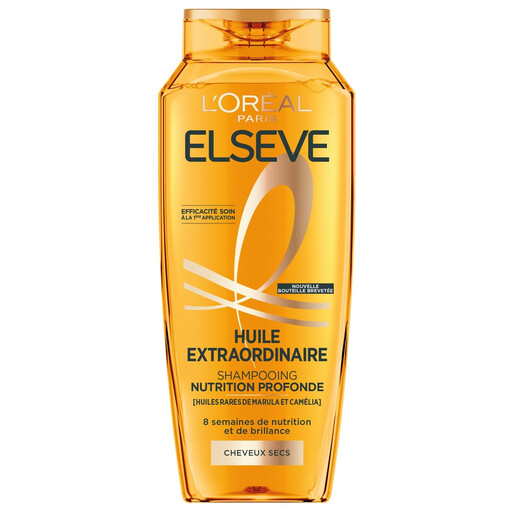
Why this choice suits this profile : Its 250 ml size and formula designed for dry hair make it possible to try the product without investing in a large bottle.
The product details mention marula and camellia oils. You can therefore check that it is genuinely a nourishing formula, rather than relying solely on the word “ repair ”.
A formula based on coconut oil, marula oil and camellia oil. It is made in France, and the bottle is presented as being made from recycled plastic.
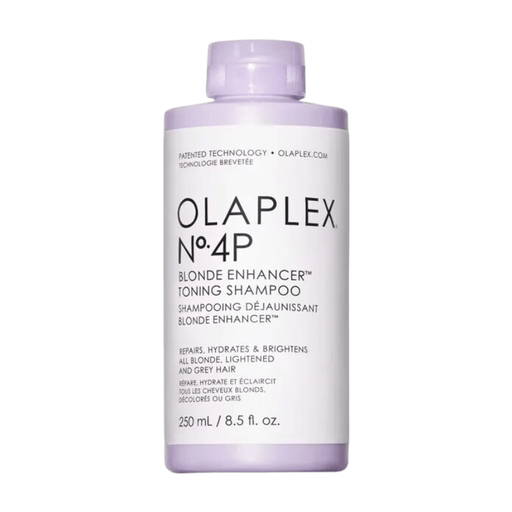
Why this choice suits this profile : It is designed for blonde or grey hair that needs both toning maintenance and a routine suited to sensitised hair fibres.
The purple pigmentation and 1 to 5 minute development time make usage adjustable. However, it is best alternated with a maintenance shampoo.
A sulphate-free formula according to the product details, with purple pigments and a 250 ml size. The instructions recommend using it 2 to 3 times a week, depending on your needs.
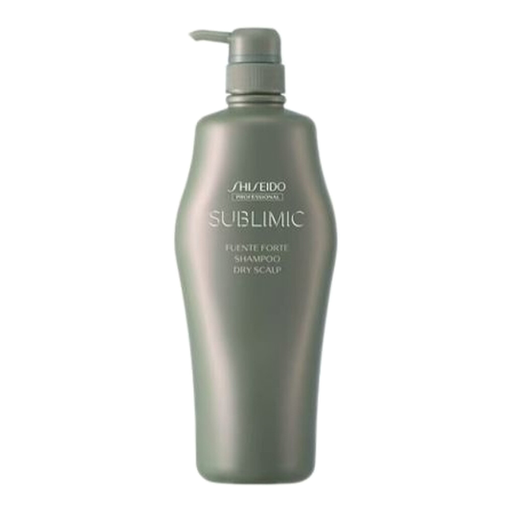
Why this choice suits this profile : Its large 1 000 ml size is suitable for regular washing and specifically targets people concerned about a dry scalp.
The product details highlight an action intended for dry scalps, rather than presenting a supposedly universal formula for every hair concern.
A 1 000 ml size, glycerine and conditioning agents. The formula also contains menthol, so check your tolerance to fragrance and cooling sensations beforehand.
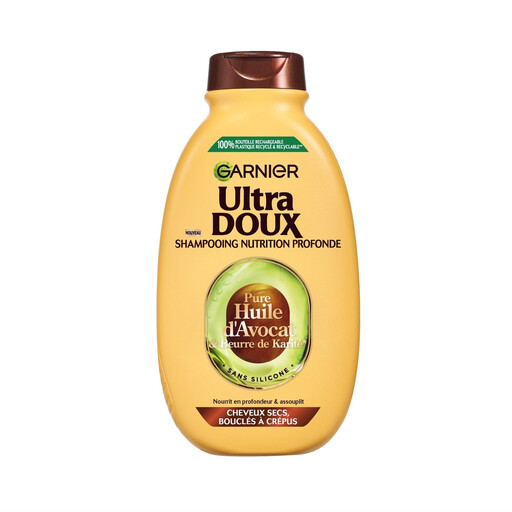
Why this choice suits this profile : It is formulated for dry, curly and frizzy hair, with a texture described as nourishing without weighing the hair down.
The target hair type is clearly stated, reducing the risk of choosing a generic shampoo for a frizz concern.
Avocado oil, shea butter and a 300 ml size. The formula contains sulphates, so it may suit you if your scalp tolerates them.
We have put together a complete, real-time updated list of products that meet these demanding selection criteria and European safety regulations.
Yes, provided the formula is well tolerated and does not leave your hair feeling heavy or your scalp uncomfortable. When your hair is very dry, alternating a repairing shampoo with a lighter hydrating formula can help maintain a balanced routine. The treatment applied to the lengths remains just as important.
Observe the texture and flexibility of your hair, as well as the comfort of your scalp, over several washes. It may be worth changing products if your hair becomes dull, sticky or more difficult to detangle. For a purple or clarifying shampoo, follow the frequency stated on the bottle to avoid overuse.
Look for a formula designed for coloured hair, with a cleansing base suited to how often you wash it. A sulphate-free shampoo may be worth considering, but this single criterion is not enough. If your hair is blonde, a purple shampoo can occasionally complement your routine without replacing a nourishing treatment for the lengths.