
Livraison le jour même ou le lendemain

Qualité garantie

Débloquez vos offres de bienvenue: Livraison GRATUITE | Jusqu'à -80 % | 30 jours d'essai gratuits à JoyPlus
Téléchargez l'application
By our product experts – August 26, 2026
Dry, brittle, dull hair… an all-too-familiar problem. Between colouring, heat styling, and daily aggressors, our hair fibres are put under serious strain. Faced with shelves overflowing with promises, finding the right shampoo for damaged hair can quickly become a headache.
We’ve all been let down by a product with supposedly miraculous effects. To help you make a more informed decision, we've identified the two most common pitfalls to avoid when shopping for hair care, along with the key criteria for making the right choice.
To avoid these traps, simply focus on a few criteria that signal the true effectiveness of a restorative shampoo.
A shampoo's primary mission is to cleanse. The catch? Some cleansing agents, especially sulphates (like Sodium Laureth Sulphate), are far too aggressive for already fragile fibres. They strip away excess sebum, but they also remove the natural lipids that protect the hair.
For a treatment for dry, brittle hair, opt for formulas with milder surfactants or shampoos clearly labelled "sulphate-free". By the same logic, a silicone-free shampoo will clear the way for other treatments (conditioners, masks) to deeply repair the hair fibre.
A good nourishing shampoo must include ingredients with proven benefits for hair care. Here are the star ingredients to look for on the label:
Finally, common sense prevails: ensure the product's texture and richness match your hair type:
Rather than an endless list, we've selected three products that meet specific needs, applying the criteria we've just detailed.
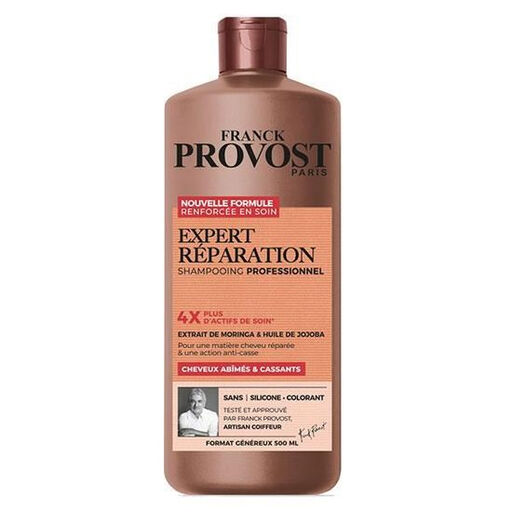
Why we recommend it: The perfect solution for regular use, combining effectiveness with an accessible price. Inspired by salon treatments, it offers a true restorative treatment at home, designed for hair damaged by repeated blow-drying and straightening.
Its silicone-free formula cleanses without the 'concealer' effect. It clears the way for active ingredients (jojoba oil, moringa extract) to deeply nourish the fibre instead of just coating it on the surface.
Its generous 500 ml size ensures excellent value for money for long-term use. Its concentrated formula guarantees lasting effectiveness.
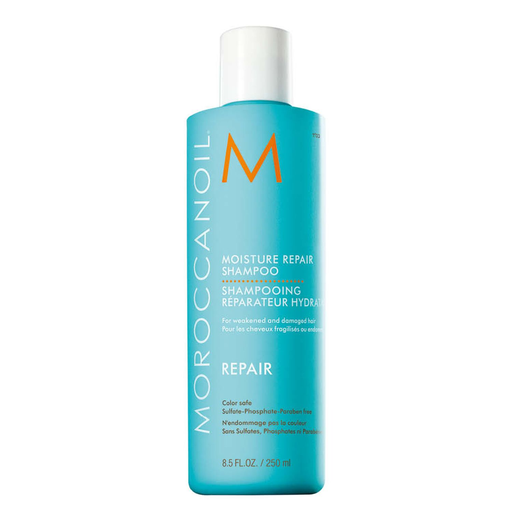
Why we recommend it: Specially formulated for hair ravaged by colouring, chemical treatments, or excessive heat. It's the ultimate SOS treatment, with an ultra-concentrated formula for targeted action.
It does more than just hydrate the surface. Thanks to its keratin amino acids and plant-based proteins, it works at the core of the fibre to rebuild its structure. The repair is deep and long-lasting.
Its cocktail of argan oil and avocado oil provides intense nutrition and an antioxidant shield to protect hair from future damage.
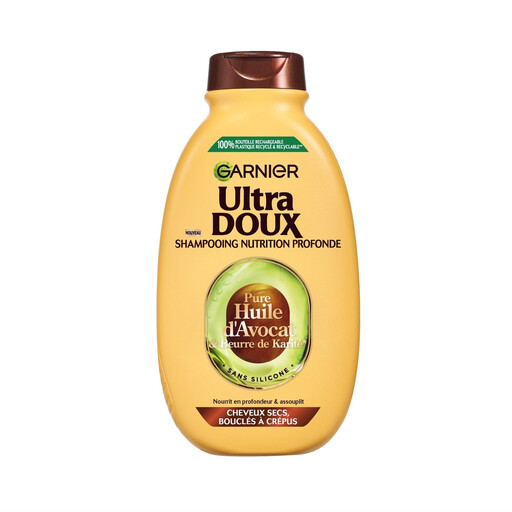
Why we recommend it: The perfect recipe for dry, curly, or coily hair in need of nutrition. It restores softness and definition without ever weighing hair down.
It avoids the 'one-size-fits-all' trap by precisely targeting the needs of very dry hair. Its duo of avocado oil and shea butter offers rich, perfectly calibrated nourishment.
Its creamy texture gently cleanses and makes detangling much easier—a major plus for curly and coily hair prone to knots and breakage.
Discover our full selection of products that meet our selection criteria and current safety standards.
It's not a strict ban, but it is highly recommended. Silicones offer an immediate cosmetic result (softness, shine) that can be appealing in the short term. However, for deep repair, a silicone-free formula is far more effective. It's the only way to allow treatment actives to penetrate the fibre and prevent the build-up of residue that, over time, weighs hair down and makes it look dull.
It all depends on the condition of your hair and the product's concentration. A highly concentrated professional shampoo is best used as a treatment, once or twice a week, alternating with a milder shampoo. If your hair is very damaged, you may need to use it with every wash at first. The key is to observe your hair: if it starts to feel heavy or gets greasy faster, space out the applications.
Let's be clear: no product can "reseal" a split end that has already formed. The only solution is a trim at the salon. However, a good anti-breakage shampoo plays a crucial preventive role. By strengthening the hair fibre and improving its elasticity, it limits the formation of new split ends and prevents breakage along the lengths.